Words: 1814 | Estimated Reading Time: 10 minutes | Views: 84
The median gross yield for whole-building assets at Sagamihara Station is 7.07%. The market has not priced in the North Exit development; the bottleneck is a railway elevation bill of up to JPY 117.4 billion.
Across Greater Tokyo, it is rare to find roughly 15 hectares of almost entirely empty land right outside a JR station exit. The North Exit of JR Yokohama Line’s Sagamihara Station in Sagamihara City, Kanagawa Prefecture, is exactly such a place.
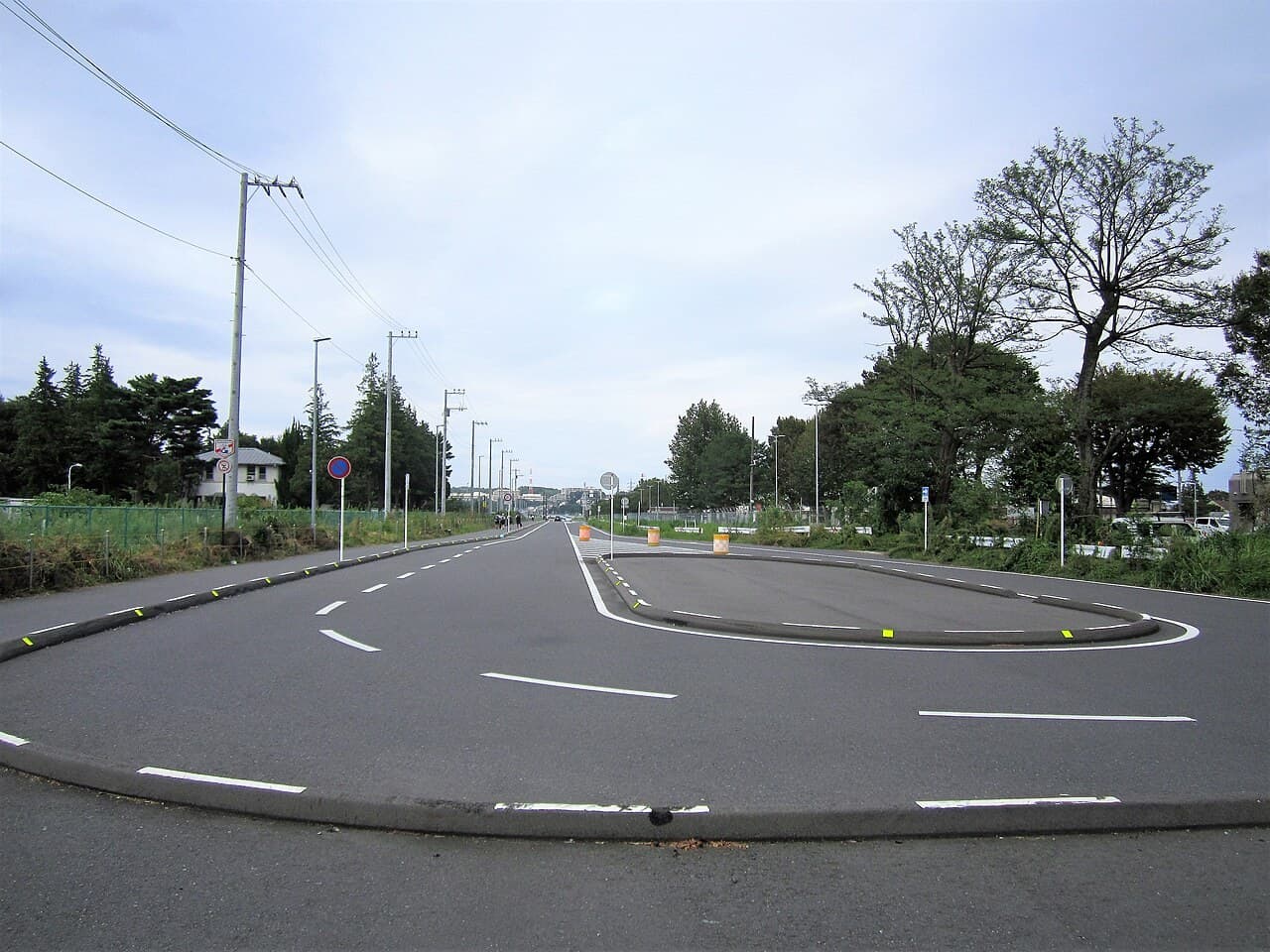
The site originally belonged to the U.S. Forces Japan’s Sagami General Depot. After part of it was returned to Japan in 2014, it has been waiting for a development scheme. In August 2025, Sagamihara City finally produced a land-use plan; and this week, Kenbiya reported that the city has launched a preliminary study for a “continuous grade separation (railway elevation)” around JR Yokohama Line’s Sagamihara Station.
On one side lies a vast station-front void; on the other, the station with the highest yields and lowest prices along the Yokohama Line in Urbalytics data. Together they make the point: the site’s value hinges on whether the transport link can be delivered.
1) From U.S. Army depot to station-front void: Why the North Exit has waited twelve years
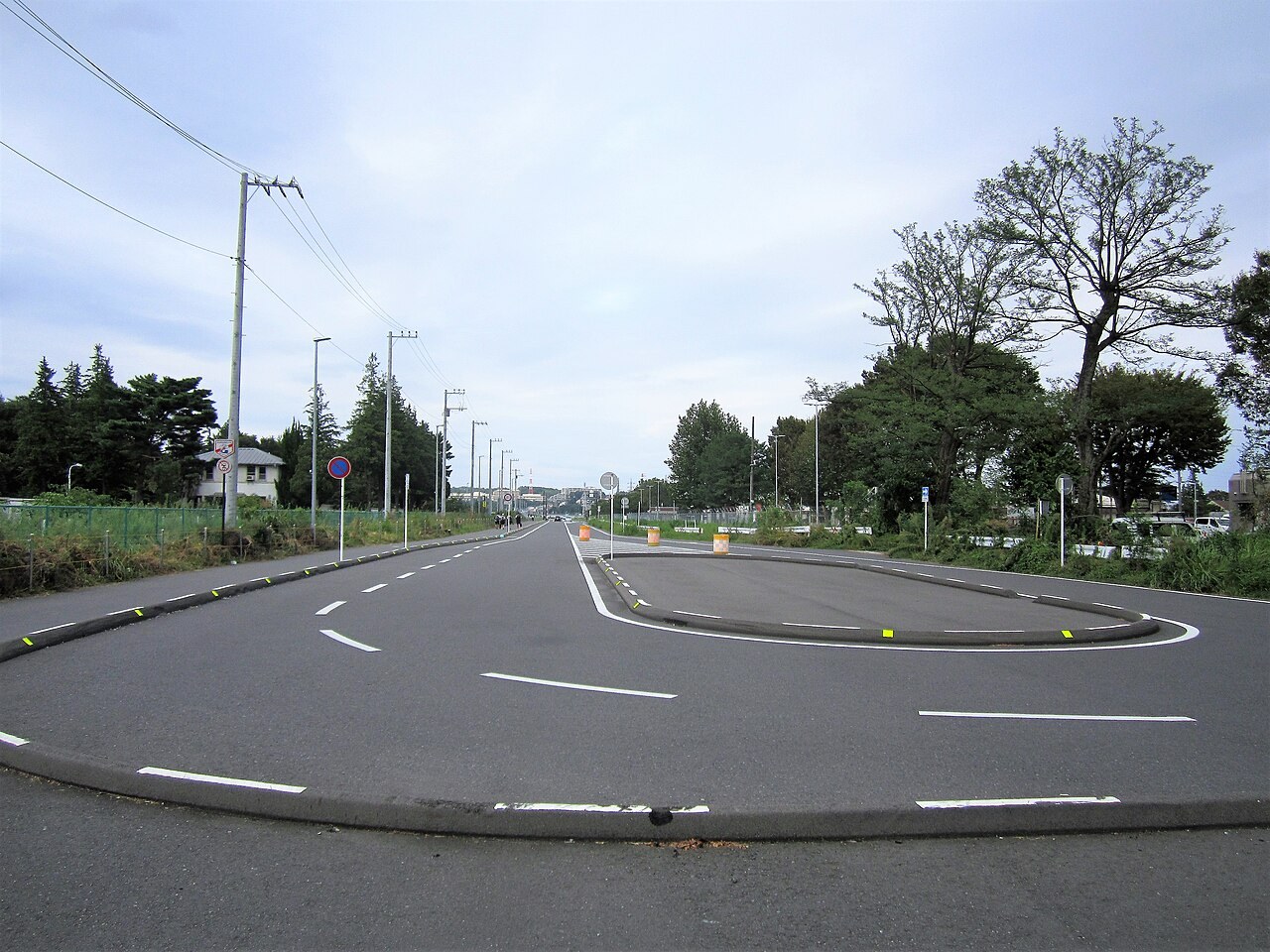
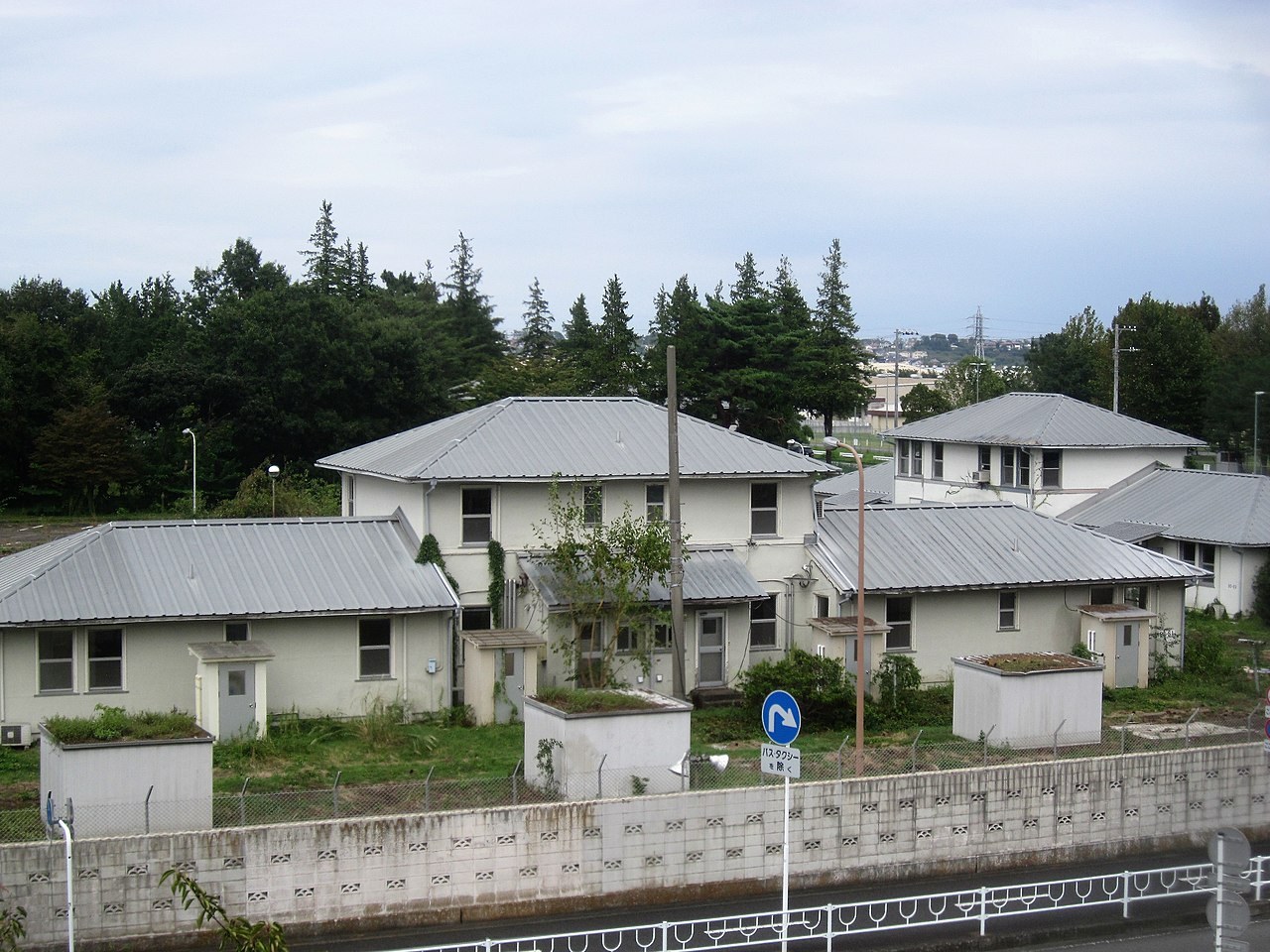
The Sagami General Depot is a major logistics hub for U.S. forces in mainland Japan, immediately north of Sagamihara Station. In 2014, roughly 17 hectares were returned; net of road and railway corridors, the developable portion is about 15 hectares.
Since the return, development proposals have swung back and forth. The city’s early “wide-area exchange hub” concept did not materialize due to feasibility issues; the “city-building concept” was revised in May 2020; land-use policy was set in May 2022; and from July 2024, proposals were solicited from the private sector.
Not until August 2025 did the Sagamihara Station North Exit District Land-Use Plan formally take shape, and on October 28 that year the mayor personally submitted it to the landowner—the Kanto Local Finance Bureau of the Ministry of Finance. This marked the shift from “discussing uses” to “negotiating how to dispose of the land.”
The plan divides the North Exit into several functional zones, with quite specific scales already in place:
The residential-priority zone is set on the northwest side, centered on mid-rise multifamily buildings, targeting 800 to 1,000 households, with potential integration of a supermarket, clinic, and childcare facilities.
The commercial-priority zone runs along the railway, mainly low-rise, with a total floor area target of 60,000 to 100,000 square meters, aiming to connect the north and south sides of the station into a continuous commercial frontage.
The business-priority zone fronts the station plaza and the north–south road, mainly mid-rise, with a total floor area target of 30,000 to 60,000 square meters. The plan also calls for studying a new ticket gate on the west side of the station, and targets district-wide “zero carbon.”
2) Data: The highest yields and lowest prices on the Yokohama Line
However good the blueprint, the question is whether the market has priced it in. Using Urbalytics, we pulled 12 months of listings within a 15-minute walk for four JR Yokohama Line stations.
The median gross yield for whole-building income properties at Sagamihara Station is 7.07% (n=30), above Fuchinobe’s 6.81%, Hashimoto’s 6.20%, and Machida’s 6.00%. By price per tsubo (building area), Sagamihara averaged JPY 1.194 million in 2026, notably below Hashimoto’s JPY 1.686 million and Machida’s JPY 1.791 million.
Rents, by contrast, have not diverged. The median monthly rent per square meter for rental apartments is JPY 2,554 at Sagamihara (n=292), slightly above Hashimoto’s JPY 2,382, and only about 13% below Machida’s JPY 2,923.
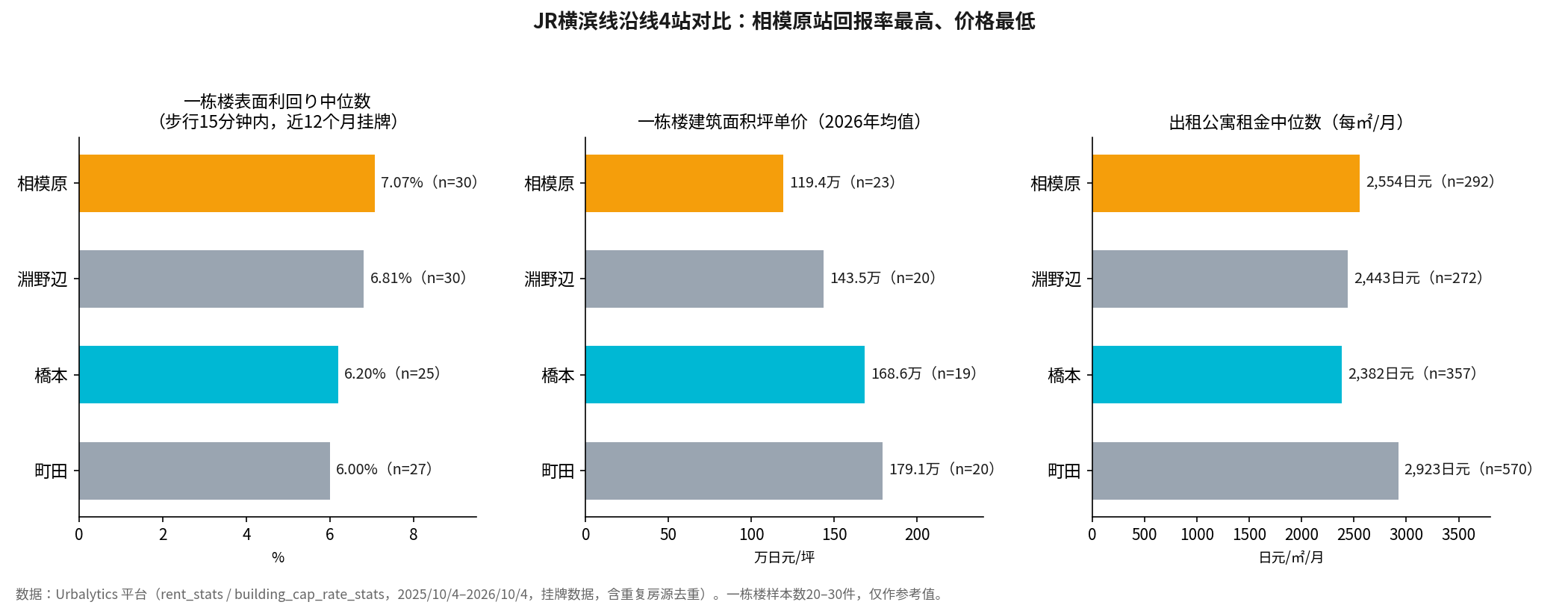
Taken together, the message is clear: rents at Sagamihara are not weak—what’s cheap is the asset price. This aligns with subcity-level data: Urbalytics market reports show that in September 2026 the median price per tsubo for whole-building income properties in Chuo Ward, Sagamihara City, was JPY 0.932 million, 31.1% below the Kanagawa Prefecture average; condominium units were JPY 358,000 per square meter, likewise 31.3% below the prefectural average.
Urbalytics Insight Urbalytics data indicate that rents around Sagamihara Station are on par with or slightly above Hashimoto, but price per tsubo for whole-building assets is roughly 30% lower. The market is currently assigning almost no value to the North Exit development—both an opportunity and a sign that timelines are viewed skeptically. With only 20–30 whole-building samples, treat these as reference values.
3) Why elevation is back on the table: one road can’t carry 50,000 vehicles
If the land and plan exist, why elevate the railway? The answer is traffic.
As of FY2018, the city’s stance was that traffic generated by the North Exit could be absorbed by widening the Miyashita–Yokoyamadai Line to four lanes; elevation was viewed as a long-term issue after the depot’s full return.
But FY2023 traffic counts show congestion already. Under the current land-use plan, trip generation/attraction in the North Exit area is about 24,000 vehicles per day, while the Miyashita–Yokoyamadai Line’s future traffic is projected at roughly 50,000 vehicles per day. The city concluded that even with four lanes, it may not handle post-development flows.
Institutional hurdles have also eased. Previously, to meet national subsidy requirements, the elevated section had to extend to the Obara crossing. After the Sagamihara crossing was designated a “pedestrian bottleneck crossing” in FY2021, the study section can be shortened to between the Yakake Overpass and the West Gate crossing, with Obara handled separately via an underpass.
The city’s choice is to use elevation as the base scheme. The reasons: it can eliminate two level crossings (Sagamihara and Koyama) in one go, reduce land acquisition in the built-up area, and make it easier to connect north–south pedestrian flows through the station.
The bill, however, is large. Prior estimates put the road-underpass scheme at about JPY 65.1 billion, while a railway elevation would require roughly JPY 74.4–117.4 billion, depending on construction method.
The key cost difference lies in how it is built. A “separate-line method” that constructs a new elevated alignment on the depot side is relatively cheaper, but requires coordination with the Ministry of Defense and the U.S. military; building elevation directly above the existing line would drive costs up substantially.
4) What it means for investors: timelines matter more than blueprints
This is where the North Exit is easiest to misread. Headlines touting “elevation,” “15 hectares,” and “100,000 square meters of commercial space” are enticing, but the city’s own schedule is much more sober.
According to the schedule in the land-use plan summary, it will take 5 to 8 years to finalize the plan and complete urban-planning approvals; only then would land disposition begin, with private development requiring a further 1 to 3 years. For surrounding road networks and other infrastructure, the document states “around 10 to 20 years.”
The preliminary study for elevation will be conducted in FY2026, and the city has explicitly stated that elevation itself has not been decided. From FY2026, the city will engage in negotiations with JR East, the Ministry of Land, Infrastructure, Transport and Tourism, traffic authorities, and the Ministry of Defense and the U.S. military.
For buy-and-hold investors, this implies two very different approaches:
First, if the target is cash flow, a roughly 7% gross yield for whole-building assets around Sagamihara Station is already high for the Yokohama Line, and rents are supportive. Treat the North Exit development as a “free option” you shouldn’t pay extra for.
Second, if the goal is to bet on development upside, be prepared to hold for the long term. For the North Exit’s commercial and business facilities to be delivered and true north–south connectivity to be achieved, even the most optimistic case is measured in decades; paying up early offers little advantage.
Risk warning Elevation is still at the preliminary study stage; after recent inflation, project costs may need to be re-estimated, and outcomes of negotiations with the Ministry of Defense and the U.S. military will directly determine the construction method and cost. If the project shifts to an underpass scheme or decisions are delayed, both the scale and the timeline of the North Exit development may shrink. Investors wagering on development premiums should build in ample margin of safety.
Conclusion: Underwrite cash flow first, then the North Exit
The Sagamihara Station North Exit is a rare “large station-front vacant site” in Greater Tokyo. The plan has been submitted to the national government, and a preliminary study for railway elevation has begun. Yet the data show the market is not paying a premium for this story: whole-building yields remain the highest along the line, and price per tsubo is roughly 30% below the Kanagawa average.
That price gap is itself a signal. For investors who value stable returns and can hold long term, the Sagamihara area deserves a spot on the watchlist. For those seeking short-term gains from a “development concept,” the timetable is the first number to pin down.
To view monthly trends in gross yield and price per tsubo for Sagamihara City’s Chuo Ward, see Urbalytics’ whole-building income property market report for Chuo Ward, Sagamihara City and condominium unit market report for Chuo Ward, Sagamihara City.
For a comparable West Greater Tokyo project led by public land conversion, read our earlier analysis of Hachioji South Exit “Soto no Mori”.
For areas centered on planned new stations, see our analysis of the proposed new station on the Oedo Line extension in Niiza City.
On the Urbalytics platform, filter whole-building listings by station, walk time, and year built. First make sure the yield underwrites; then consider how much additional upside the development may bring. That is the safer order at this stage.
Tags
#Japan Real Estate #Sagamihara #Sagamihara Station #JR Yokohama Line #Sagami General Depot #Railway Elevation #Continuous Grade Separation #Redevelopment #Kanagawa Investment #Whole-building Income Property #Gross Yield #Western Greater Tokyo #Japan Property Investment #Urbalytics
References
- Kenbiya, 2026, “Considering railway elevation on the JR Yokohama Line at Sagamihara Station: Can it become the urban infrastructure supporting the 15-hectare North Exit development?”, https://www.kenbiya.com/ar/ns/region/shutoken/10532.html
- Sagamihara City, 2025, “Sagamihara Station North Exit District Land-Use Plan [Summary Version]”, https://www.city.sagamihara.kanagawa.jp/_res/projects/default_project/_page_/001/033/744/tochiriyoukeikaku_gaiyou.pdf
- Sagamihara City, 2025, “Sagamihara Station North Exit District Land-Use Plan”, https://www.city.sagamihara.kanagawa.jp/shisei/1026823/koikikoryu/sagamihara/1028021/1033744.html
- Sagamihara City, 2025, “We will submit the Sagamihara Station North Exit District Land-Use Plan to the national government (Kanto Local Finance Bureau)” (press materials), https://www.city.sagamihara.kanagawa.jp/_res/projects/default_project/_page_/001/033/937/1017/02.pdf
- Urbalytics Market Report, 2026, “Whole-building income property market in Chuo Ward, Sagamihara City, Kanagawa Prefecture”, https://www.urbalytics.jp/market/area/kanagawa/chuo-ku/building
- Wikimedia Commons, “Sagami General Depot 201909-1.jpg” “Sagami General Depot 201909-4.jpg” (CC BY-SA 4.0), https://commons.wikimedia.org/
Copyright: This article is original content by the author. Please do not reproduce, copy, or quote without permission. For usage requests, please contact the author or this site.