Words: 1685 | Estimated Reading Time: 9 minutes | Views: 21
Ongoing campus investment preserves the demand source for nearby rentals; how much landlords can capture still depends on commuting routes and student budgets.
Author: Li | Data verified as of October 17, 2026
As the campus keeps upgrading, separate stock improvements from incremental demand
Kenbiya’s October 17 report places Teikyo University’s Hachioji campus within the debate over universities “returning to the city center”: while some institutions concentrate teaching functions downtown, Teikyo continues to operate a large suburban campus and to enhance its facilities. For owners of rental buildings around Otsuka, this is worth reading, but before valuation you should ask: what exactly has the university improved, and how many additional student renters will that bring?
The university’s website confirms that Hachioji still houses the Faculties of Economics, Law, Letters, Foreign Languages, and Education, and that the campus already includes the Soratio Square classroom buildings, a library, and athletic facilities. These amenities underpin students’ study and life locally. Their presence supports the assessment that the campus continues to operate.
Specific updates also have clear dates. On October 3, 2025, the university announced that the MELIC library’s media lounge had reopened on September 24, 2025, adding spaces suitable for staying and reading, and upgrading network and charging facilities. Today’s coverage revisits this trajectory; one should not present a facility that reopened last year as a brand-new project starting now.
This distinction directly affects underwriting. A better learning environment may help attract and retain students; converting that into incremental rental demand still depends on enrollment scale, commuting modes, and the off-campus living ratio. This verification did not obtain evidence sufficient to prove an increase in the number of student renters; therefore we do not translate “campus updates” into future rent growth.
In Hachioji, renters don’t all take the same route
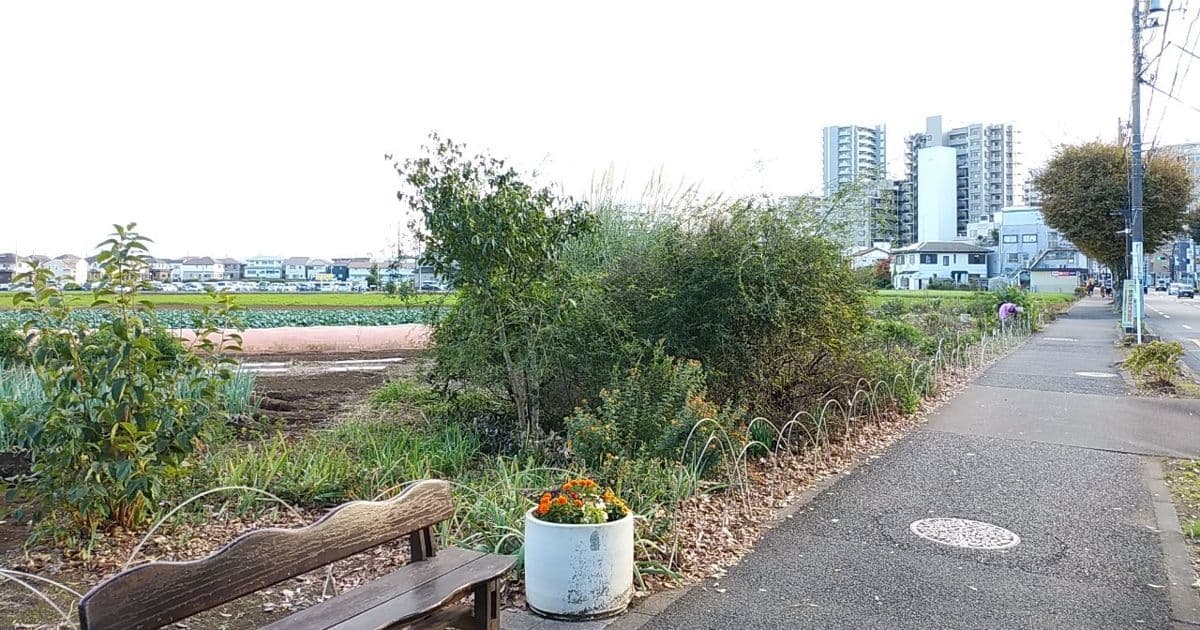
Teikyo University’s Hachioji campus is located in Otsuka. Official access information states it is about a 15-minute walk from the Tama Monorail’s “Otsuka–Teikyo-Daigaku” Station; buses also run to campus from Takahatafudo, Seiseki-Sakuragaoka, and Tama Center. The word “Hachioji” in the campus name does not mean students’ daily travel revolves around JR Hachioji Station.
This changes the order of comparison for listings. For small units targeting enrolled students, first confirm the route from the residence to the commonly used campus gate, and then look at station distance on the map. Two properties both labeled a 10‑plus‑minute walk from a station may differ: if a unit lies in the opposite direction from the campus, the walk to school may be longer; if bus-reliant, late-evening classes or club activities bring headways into the student’s decision.
The previously discussed Hachioji Station South Exit and Soto-no-Mori form a different living zone and cannot be used directly for pricing in Otsuka. Investors need to delineate the commuting catchment that actually competes with the target unit, not the entire city’s administrative boundary.
The university’s own housing supply also sits within this catchment. The T-House international student dorm opened in April 2022 with 121 rooms, about a six-minute walk from campus, furnished, networked, and with shared common spaces. These students will not all enter the ordinary private rental market.
For landlords, the dorm is a concrete comparator. Conventional apartments can offer a private kitchen, bath, and more autonomous living; dorms bundle furniture and communal space. When marketing, state clearly which need your room solves; do not assume that “near a university” guarantees selection. The Kyodo student district analysis can serve as a reference for another university-adjacent environment, but its transport and customer mix should not be copy-pasted to Otsuka.

What exactly does a ¥53,700 monthly rent represent?
To assess whether small units fit student budgets, start with asking rents within the same station catchment, not by back-solving rent from a whole-building yield. This Urbalytics screen of 15–35 m² units within a 15-minute walk of Otsuka–Teikyo-Daigaku Station yielded 61 samples.
The lower quartile of base monthly rent is ¥37,000, the median is ¥53,700, and the upper quartile is ¥65,000. In other words, the middle half of samples sits between ¥37,000 and ¥65,000. This band is more useful than a single “average student rent”: even within the commuting catchment, pricing is clearly stratified.
Panel A: base monthly rent for small units, unit: ten-thousand yen/month. Lower quartile 3.70; median 5.37; upper quartile 6.50; n=61. Data window 2025-10-18 to 2026-10-17, filtered by first-seen date; not achieved rents.
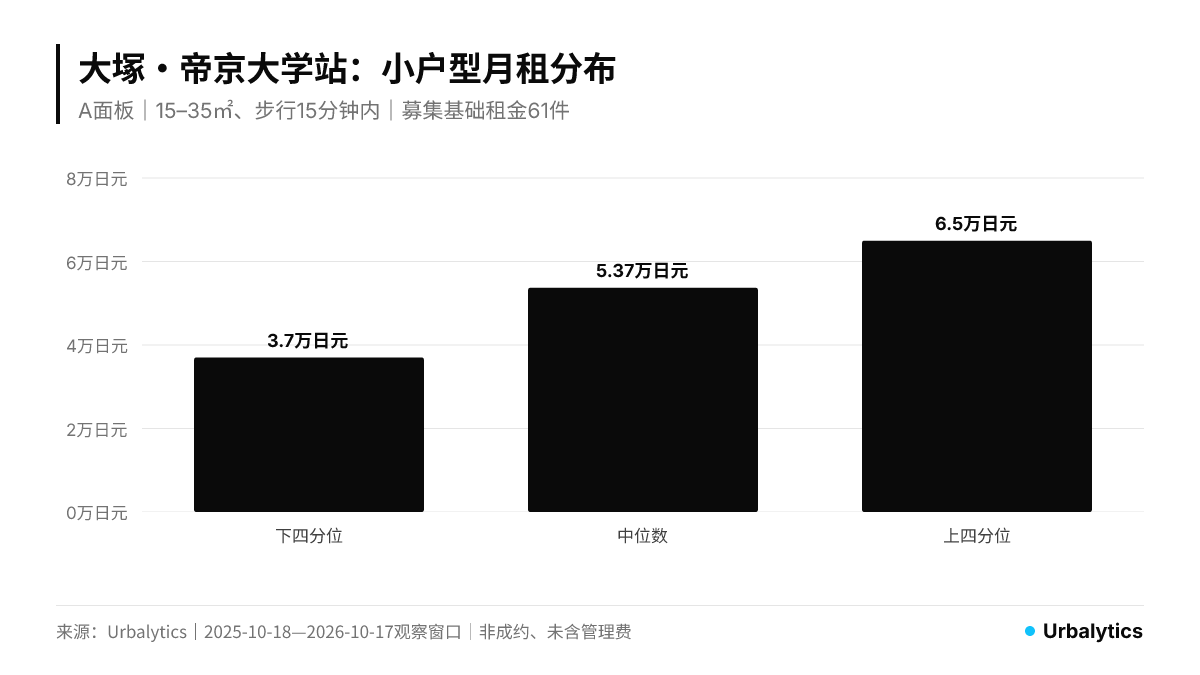
The median rent per area is about ¥2,362/m²·month, helpful for comparing quote strength across sizes; the ¥53,700 monthly total is closer to a student’s monthly housing outlay. These two medians are computed separately and should not be divided to reconstruct a “typical unit.” Management fees, utilities, and initial move-in costs must be added by listing.
The current sample lacks standardized fields for interior refurbishment and bath/toilet separation, so higher rents cannot be directly attributed to a given finish. Owners planning to upgrade older stock should find true comparables close in size, age, and commuting conditions, then compare bath layout, internet, and interior state. Using the station catchment’s upper quartile as a post-renovation target rent skips the conditions that actually determine a renter’s willingness to pay.
An 8.36% gross yield requires building-by-building income verification
When buying an entire rental building, the question becomes: what is the relationship between the asking price and the seller’s stated annual income? Within a 15-minute walk of the same station, only 10 whole-building samples met the filters and had listings or price updates during the past year.
The lower quartile of gross yield is 7.12%, the median is 8.36%, and the upper quartile is 8.72%. With so few samples, this range is best used as a reference when evaluating specific properties, not as a stable return promise for the area.
Panel B: listed gross yields for whole buildings. Lower quartile 7.12%; median 8.36%; upper quartile 8.72%; n=10. Period 2025-10-18 to 2026-10-17; excludes closed deals and non-public appraisals; not the same assets as Panel A.
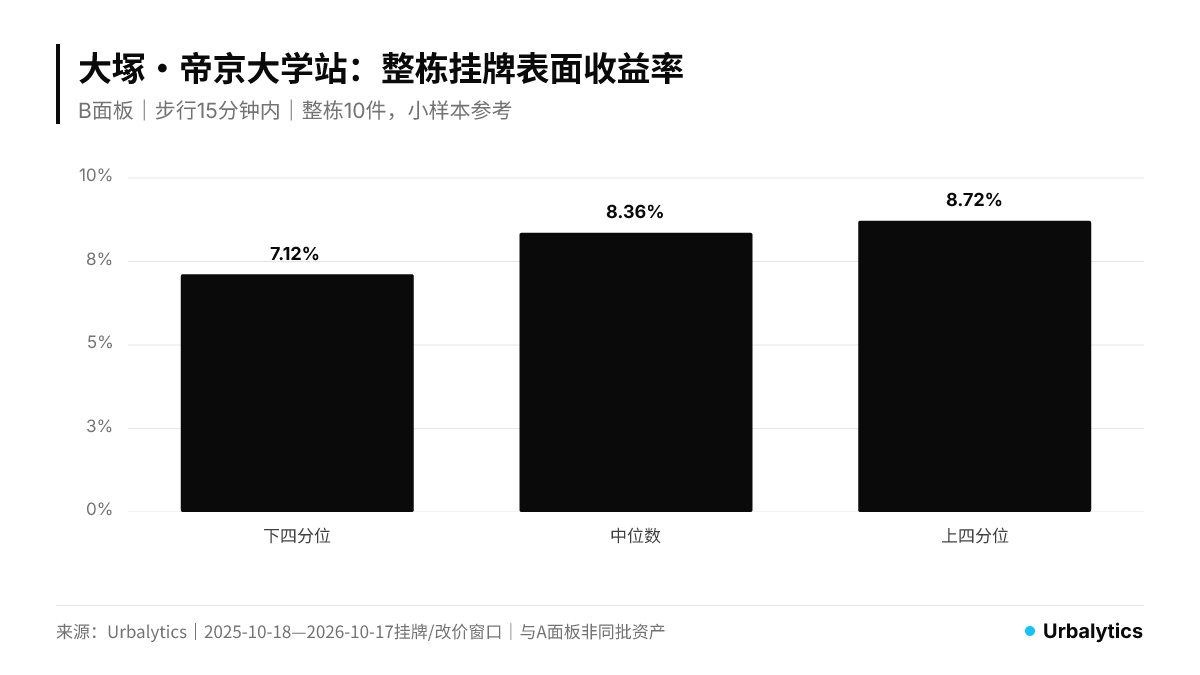
Here, gross yield equals listed annual income divided by asking price. Whether that income assumes full occupancy or reflects in-place income must be confirmed in each building’s materials; vacancies, repairs, and financing costs are not deducted. For student-oriented buildings in particular, if move-outs cluster around graduation, the timing and cost of the next leasing round will directly affect annual cash flow.
You can also review the Urbalytics Tokyo public market report to understand the broader market that includes Hachioji. But city-level monthly statistics and this station-catchment annual filter are different scopes; we do not infer a campus-driven premium from their difference.
The 61 rental units are not the rent rolls of these 10 buildings. Do not multiply ¥53,700 by a building’s unit count and then plug in 8.36% to derive a seemingly market-validated acquisition price. Existing leases, vacant area, and comparable asking conditions for the target building should each feed into income verification.
Incorporate campus factors into operations, not into prepaid rent growth
For owners already holding small units in Otsuka, the most actionable step now is to check whether the room aligns with commuting life. Do photos and copy explain the route to campus? Are internet specifications clear? Can post-move-out repairs be completed before the next student leasing wave? All of these affect competitiveness at the same rent.
If considering renovations, tie capex to a verifiable difference. For example, only if bath/toilet separation earns materially better leasing feedback among comps of the same size and route is there a basis to model the upgrade. Simply raising budgets for older apartments because campus facilities look newer is not yet evidence-based.
For acquisitions, require rent rolls that separate in-place income from assumptions for vacant units, verify the months of concentrated student move-outs, and test vacant-unit quoting against nearby rooms under the same conditions. Teikyo University’s continued operation of the Hachioji campus can be cited as a demand source; without evidence of incremental students and actual leasing outperformance, keep future rent growth out of the model.
Data notes
Rental samples use Urbalytics’ MANSION residential category, include apartment-type housing, status LISTED; base rent excludes management fees; area 15–35 m²; within a 15-minute walk of the station. First-seen time is filtered by a UTC window; we use the currently stored asking values, not historical transaction prices for that date. 65 scanned, 61 retained after filtering; duplicates and outliers were not identified in this run; the scan ceiling was not reached. Derived totals for management fees show unit inconsistencies and are not used here.
Whole-building samples are filtered by listing or price-change records within the period, excluding closed and OFFLINE records; cross-platform duplicates are merged; yields below 1% or above 25% are excluded, and all 10 samples were retained. Each panel shows its own quartiles, describing sample composition rather than changes before/after campus upgrades. Amounts and yields are rounded to the precision shown in the charts.
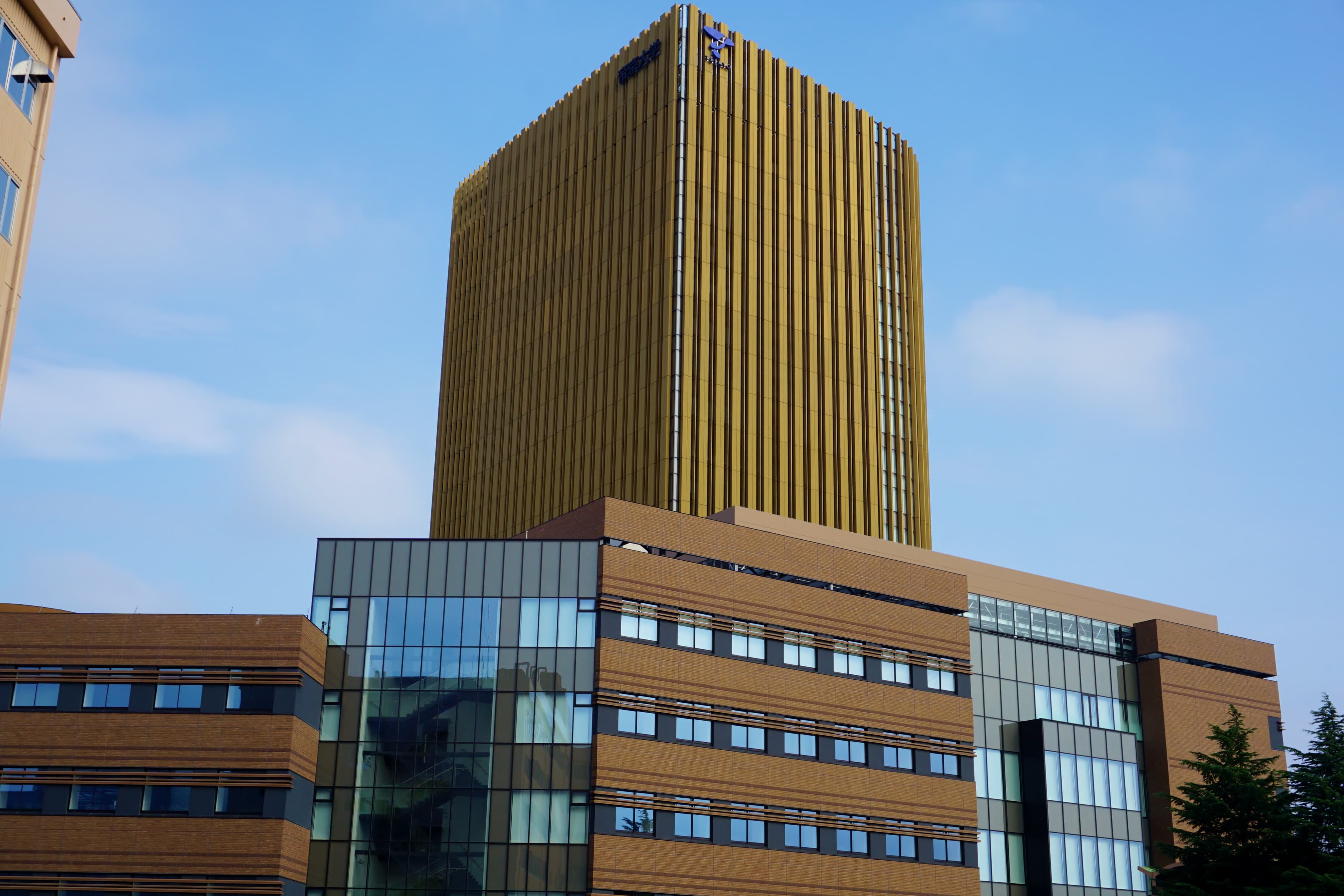
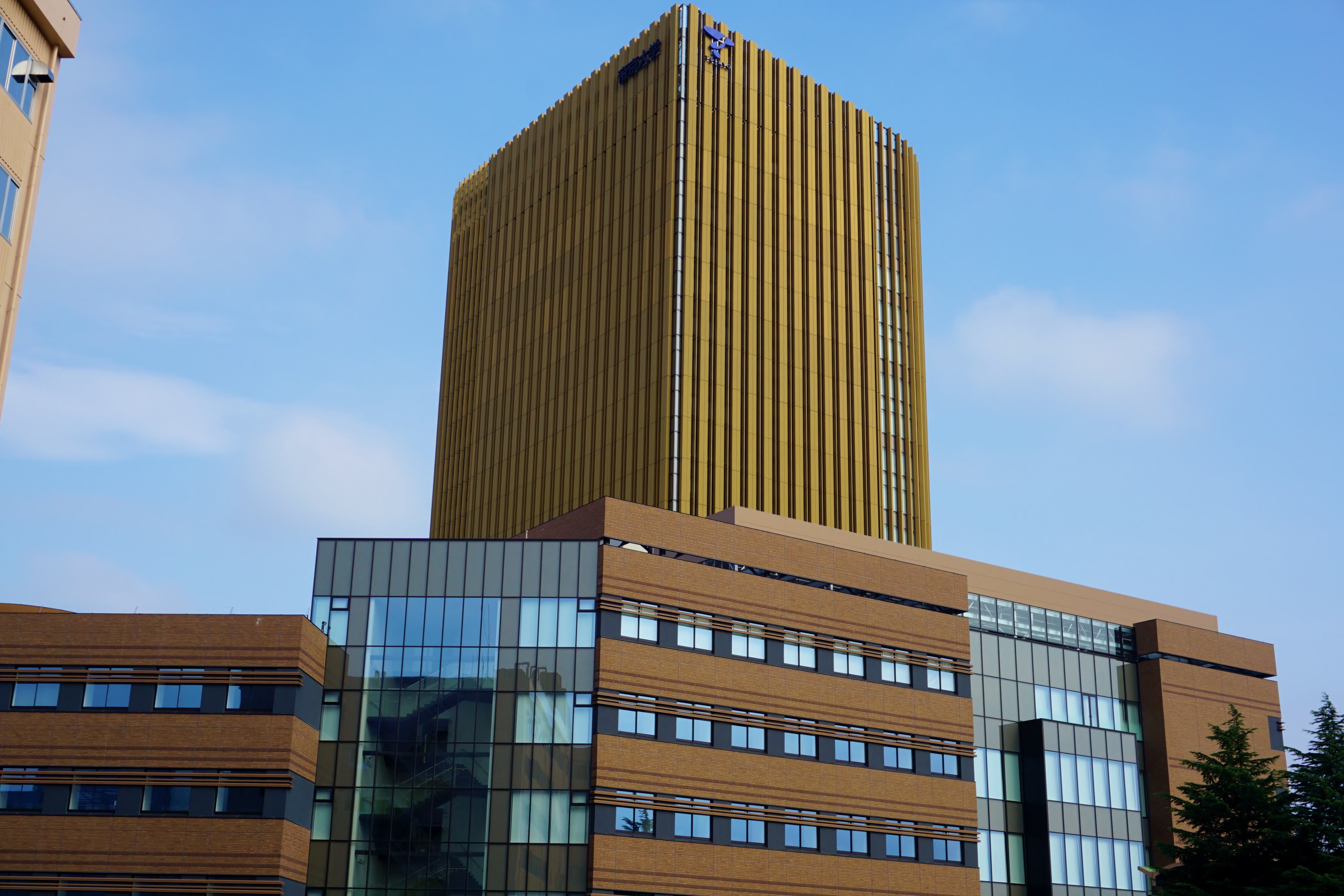
Cover and campus photos: Totaltouch, July 17, 2016, Wikimedia Commons, CC BY-SA 4.0. Historical scenes used to illustrate campus spaces, not a 2026 construction site; images used as-is.
Tags
#TeikyoUniversity #Hachioji #OtsukaTeikyoDaigaku #TamaArea #StudentApartments #UniversityAreaInvestment #RentalOperations #SmallUnits #AskingRents #BuildingGrossYields #CommutingCatchment #JapanRealEstate #Urbalytics
References
1. Kenbiya, October 17, 2026, Coverage of Teikyo University’s suburban campus strategy.
2. Teikyo University, Hachioji campus facilities and access guide, verified October 17, 2026.
3. Teikyo University, October 3, 2025, MELIC media lounge reopening notice.
4. Teikyo University, Hachioji international student dormitory; Kyoritsu Maintenance, T-House operator introduction, verified October 17, 2026.
5. Urbalytics, Tokyo public market report; custom statistics query on October 17, 2026.
6. Wikimedia Commons, Totaltouch, Soratio Square I and Student lounge, licensed under CC BY-SA 4.0.
Copyright: This article is original content by the author. Please do not reproduce, copy, or quote without permission. For usage requests, please contact the author or this site.