Words: 1727 | Estimated Reading Time: 9 minutes | Views: 25
The land is now visible, but utilization terms have not been defined; nearby rental buildings should be underwritten at current rents, while the state-owned parcel’s future should be assessed separately.
Author: Luo | Data verified as of October 10, 2026
A cleared site by Shinjuku Station is, first, a retained state asset
On the southwest side of Shinjuku Station, an approximately 9,500㎡ former dormitory site has re-entered public view. On October 10, Toyo Keizai published a four-page feature tracing progress after the closure of the “Sendagaya Housing” complex. Photos of the open lot can easily evoke new housing to come, but the public records verified for this note are not sufficient to confirm any new supply scale or delivery date.
Records from the Ministry of Finance’s Kanto Local Finance Bureau list the area as 9,471.25㎡, located in Yoyogi 3-chome, Shibuya-ku. The site sits within Shinjuku Station’s living sphere, yet its administrative ward is Shibuya. When comparing local plans, nearby listings, or statistics, handle station names and administrative boundaries separately; do not apply Shinjuku Ward’s broad indicators just because a headline mentions “Shinjuku.”
In the Kanto Finance Bureau’s retained-property list updated on August 19, 2026, the parcel remains a retained asset, with the retention decision dated September 17, 2020. The program’s stated objective is to keep state ownership and consider fixed-term land leasing aligned with social needs. This differs from selling the land to a developer to build for-sale housing.
The same page’s table on utilization-policy formulation does not include this No.15 parcel. This indicates the verified public page has not yet provided a policy item; it does not prove there is no internal study. For nearby owners, the public record currently supports the land’s identity and procedural milestones; it does not support the business assumption that ‘the next batch of units is already determined.’
Demolition design has an award; new supply still requires separate verification
The feature recounts that the former dormitory was slated for closure in September 2015, followed by local utilization appeals, discussions on land disposition, and demolition preparation. The “no change for years” phrasing describes what residents saw; administrative records show related work did not fully stop. When judging progress, consider the on-site scene alongside specific procurement actions.
Among the Kanto Finance Bureau’s design-services procurements is “FY 2026 Design Services for Phase 2 Demolition and Removal of National Buildings, etc. (Yoyogi 3-chome, Shibuya-ku).” The notice date is July 21, 2026, and records show an award on August 21. This primary source supplements the media report: there has been a procurement outcome, but the award concerns design services for demolition.
A design award does not mean demolition is complete, much less that new construction has begun. Even if above-ground structures are reduced, land readjustment, subsurface conditions, and utilization terms may still require separate confirmation. We have not obtained soil investigation conclusions; accordingly, we neither write that contamination has been ruled out nor infer definite contamination in the other direction.
The finance list indicates the site is in a Commercial Zone with a building coverage/floor-area ratio of 80/500. This helps frame planning context, but it does not directly convert into future household counts or leasable area. Specific uses, building programming, and site constraints have not yet formed a complete, verifiable project brief for this note. Simply multiplying area to estimate returns hides the assumption gap.
The cleared condition is only a starting point. To incorporate the parcel into forward supply models, we still need a concrete utilization policy, conditions offered to an implementing party, and a verifiable construction plan. Without these, ‘redevelopment upside’ in nearby ads should be treated as a thesis awaiting validation, not as a realized-rent rationale.
Current rents can test hold capacity; they cannot prove future premium
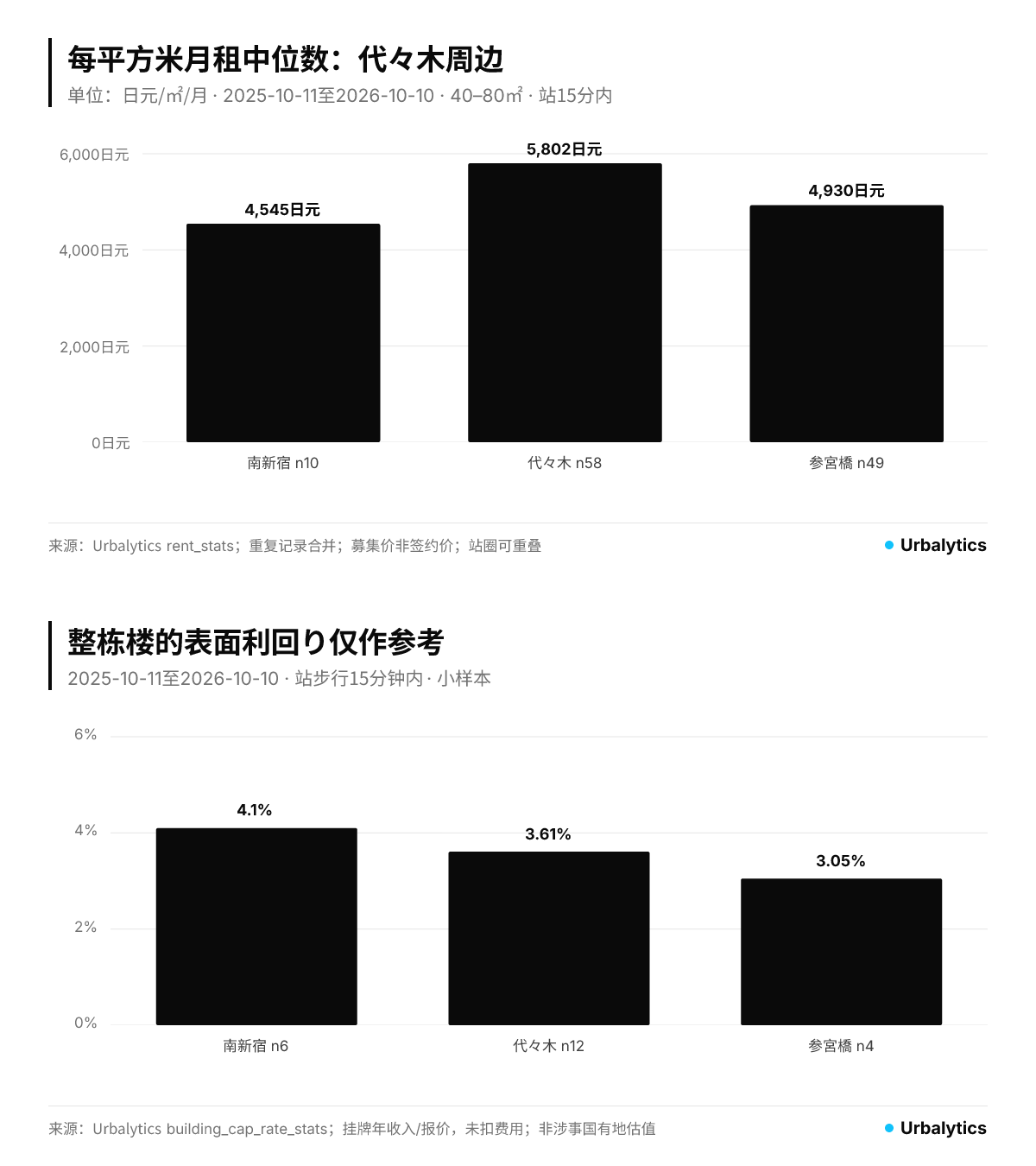
Using Urbalytics, we queried October 11, 2025 to October 10, 2026 for listings in Tokyo, within a 15-minute walk of a station, and residential units of 40–80㎡. After merging duplicate records with the same building/address, same size, and same rent, Minami-Shinjuku had 10 records, Yoyogi 58, and Sangubashi 49. The MANSION scope includes condominium-type apartments and is not limited to high-rise strata condominiums.
The median asking unit rent was approximately JPY 4,545, 5,802, and 4,930 per ㎡ per month, respectively. The median total monthly rent was JPY 229,500, 290,000, and 298,000, respectively. Taking medians separately for total and per-㎡ rents means you cannot divide one by the other to reconstruct a non-existent ‘standard unit.’ A higher total at Sangubashi does not directly imply the highest unit rent.
Minami-Shinjuku’s 10 records make it sensitive to a few listings; walk sheds across the three stations may overlap, so counts cannot be summed into an area total. We did not further match building ages or specific blocks; we treat these as references to current asking conditions. We do not read inter-station differences as a pure station premium, and we certainly do not convert them into a rent-uplift forecast after state land utilization.
In the same time window and with the same 15-minute station distance, median headline gross yields for whole-building listings were 4.10% (6 buildings) in Minami-Shinjuku, 3.61% (12 buildings) in Yoyogi, and 3.05% (4 buildings) in Sangubashi. These whole-building samples are all small; they are shown as reference values. We do not rank stations on this basis, nor do we treat them as the capitalization rate for the state-owned parcel.
A building’s listed annual income may assume full occupancy or reflect current income; headline gross yield does not deduct vacancy or operating expenses. Unit rents and whole-building yields come from different asset samples. Here, Urbalytics helps separate the two pricing conditions; it is not a tool for multiplying residential rents by the site’s area to derive a development return.
Land value, public uses, and nearby old stock are not the same ledger
The original feature’s title highlighted “over JPY 10 billion,” and the text clarified that this was a simple calculation using area and a posted residential land price, not a rigorous valuation. We do not adopt that number as the land price. Between a large commercial-zone parcel, comparable residential reference points, and actual transactions lie differences in utilization terms and scale that cannot be flattened by a single unit price.
For land retained in state ownership with potential fixed-term leasing, value-in-use also depends on lease tenor and intended use. That a program allows a given utilization mode does not mean local lease term, rent, or development sponsor are already fixed. Until such terms are disclosed, nearby investors cannot infer regional capital inflows from a presumed deal sum, nor can they raise their full-occupancy income assumptions on that basis.
If the outcome is a public facility or daily-life service, nearby residences may gain convenience through improved daily routes. If leasable residential is added, it may compete with some existing stock. Do not pre-merge these impacts into ‘new facilities will surely benefit old buildings’; effects and competing sets will differ by actual use.
For similarly large former sites, the Hachioji South Exit Medical Prison site analysis discusses spatial changes that are already identifiable, while the Sagamihara Station North development analysis emphasizes timing gaps between land use and transport infrastructure. In light of those notes, compare the levels of public decision that are actually disclosed, rather than treating all large clear sites as the same type of project.
The most useful investment takeaway for the Sendagaya Housing former site today is a clear boundary between ‘knowns’ and ‘yet to be confirmed.’ Known parcel size and retained status help frame scarcity; unknown utilization terms and supply timing mean the site still cannot carry the underwriting burden for nearby rental buildings’ cash flows.
Underwriting should start from today, then log new administrative milestones
If nearby sellers have already priced in expected utilization of the state-owned parcel, buyers should separate that expectation from current income. What rent can be collected from current tenants, how long re-leasing may take after move-outs, and how much the next round of capex will require can all be verified against the existing asset. Future land use remains unclear and is insufficient to offset carrying costs during the wait.
First, keep current listings of comparable size, age, and commute paths; then track utilization policy, implementing party, and specific construction notices one by one. When demolition progress appears, it updates judgments on site clearance; when use conditions emerge, there is a basis to discuss facility or residential impacts. Do not let the same construction hoarding photo carry inferences for multiple project stages.
This station-shed query can be read alongside the Tokyo Metropolitan open-market report and the Shibuya Ward whole-building income property report. Those public pages use monthly cadence and ward-wide scopes; this note uses the past year, specified walk sheds, and a residential size filter. Do not chain the figures into a single trend line.
The next update worth tracking should be formal use conditions or project actions that can be matched to this parcel. Note the source, publication date, and specific object, then check whether it alters site clearance, utilization arrangements, or actual supply. Rents must be validated via real listings and leasing outcomes, not inferred from the publication dates of administrative documents.
Tags
#SendagayaHousingFormerSite #ShinjukuStation #MinamiShinjuku #Yoyogi #Sangubashi #ShibuyaWard #StateOwnedLand #FixedTermLandLease #UrbanRenewal #TokyoRealEstate #RentMarket #WholeBuildingInvestment #Urbalytics
References
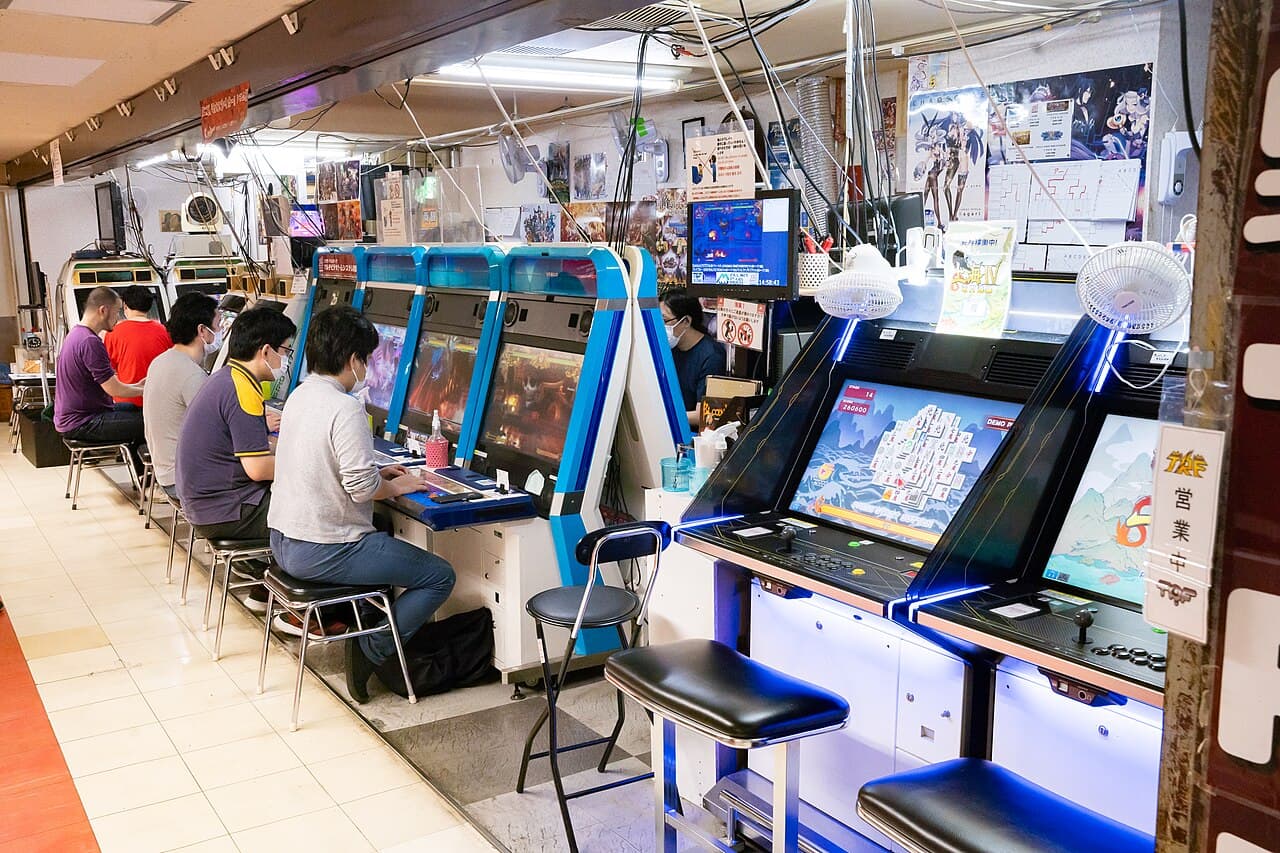
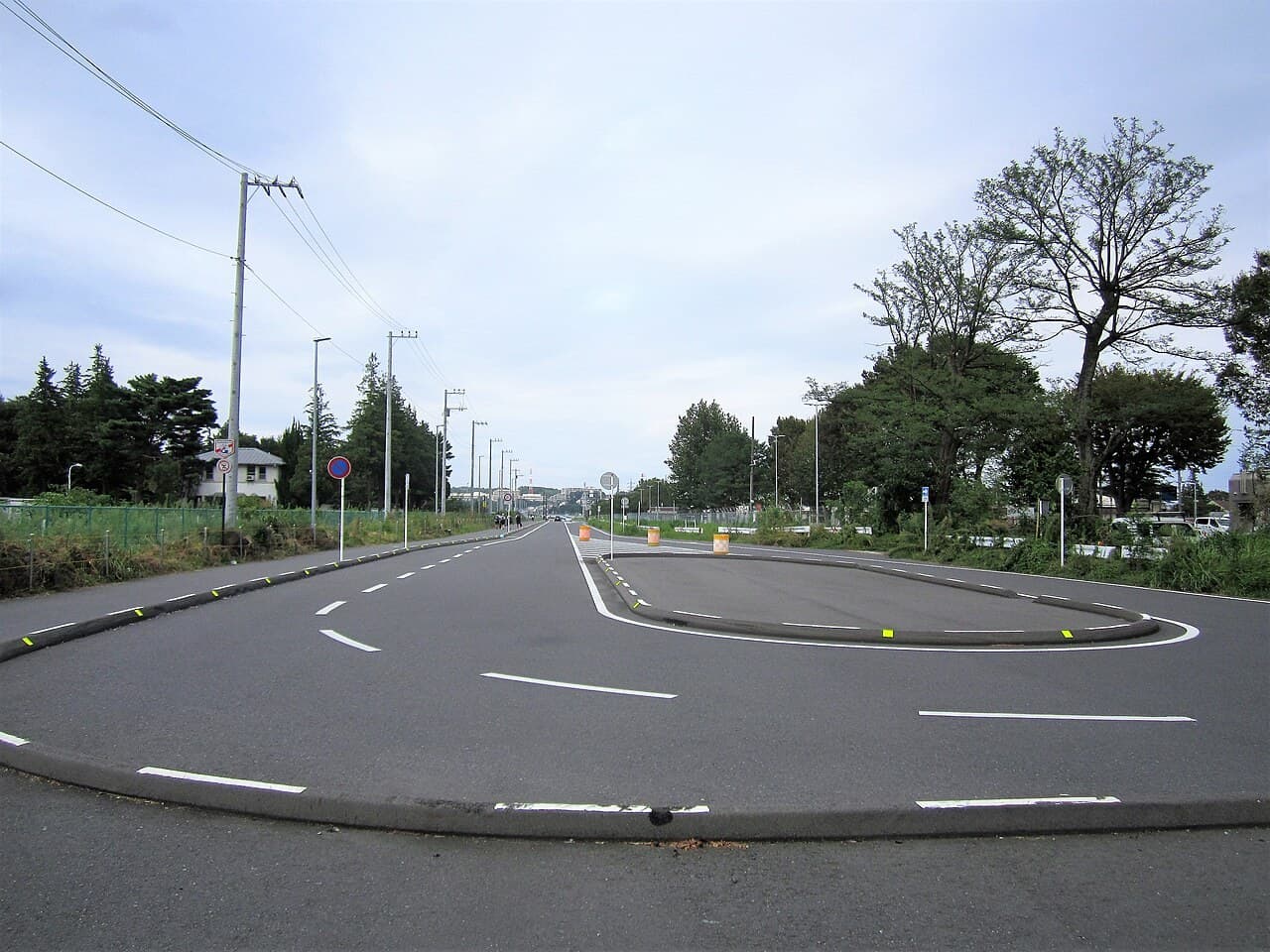
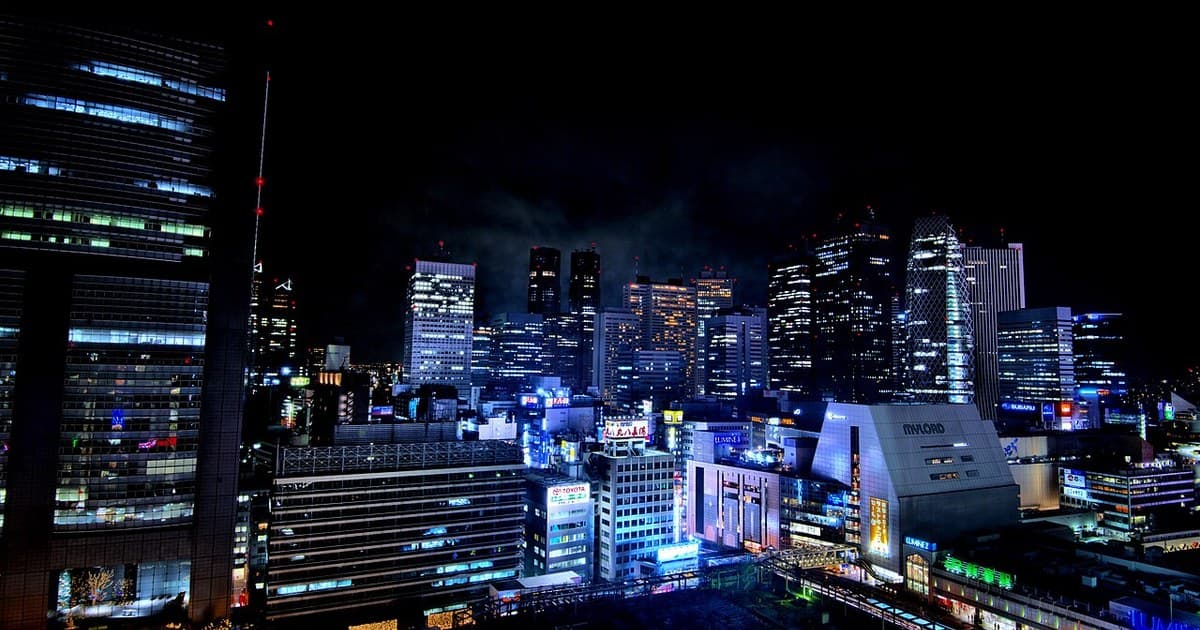
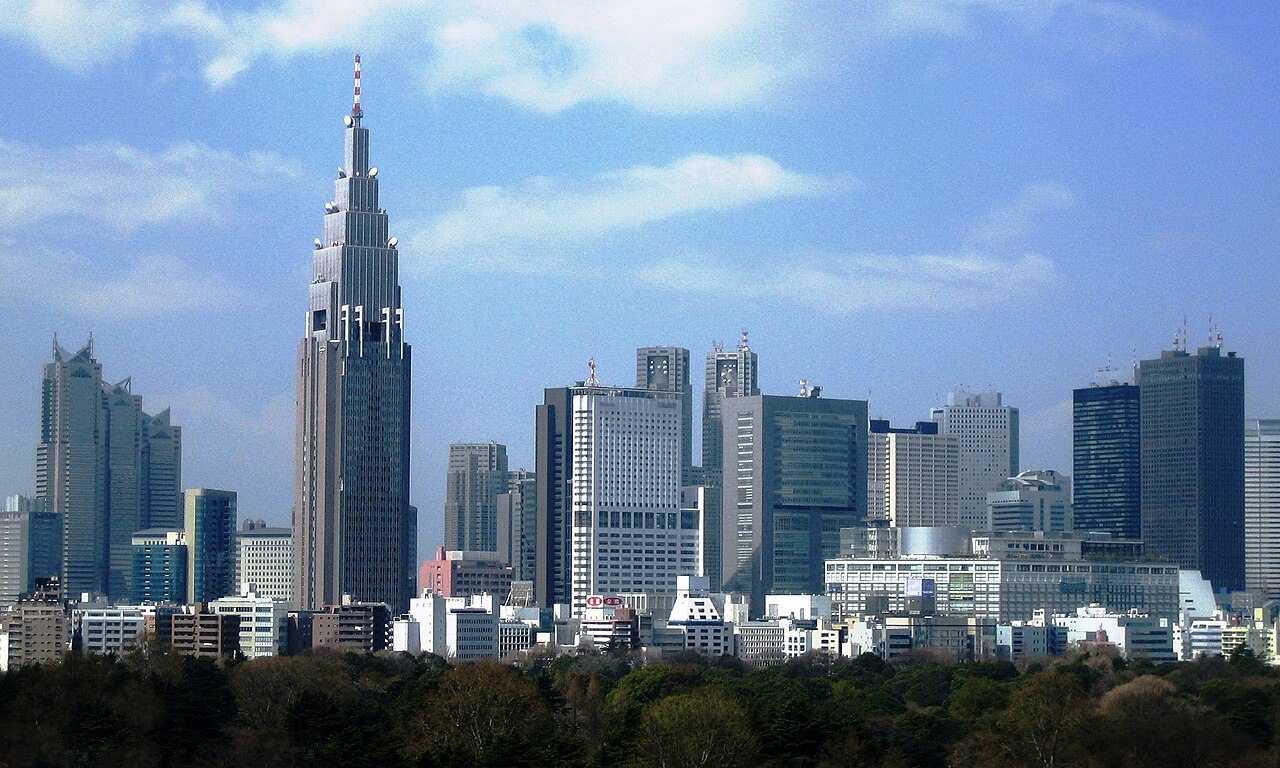
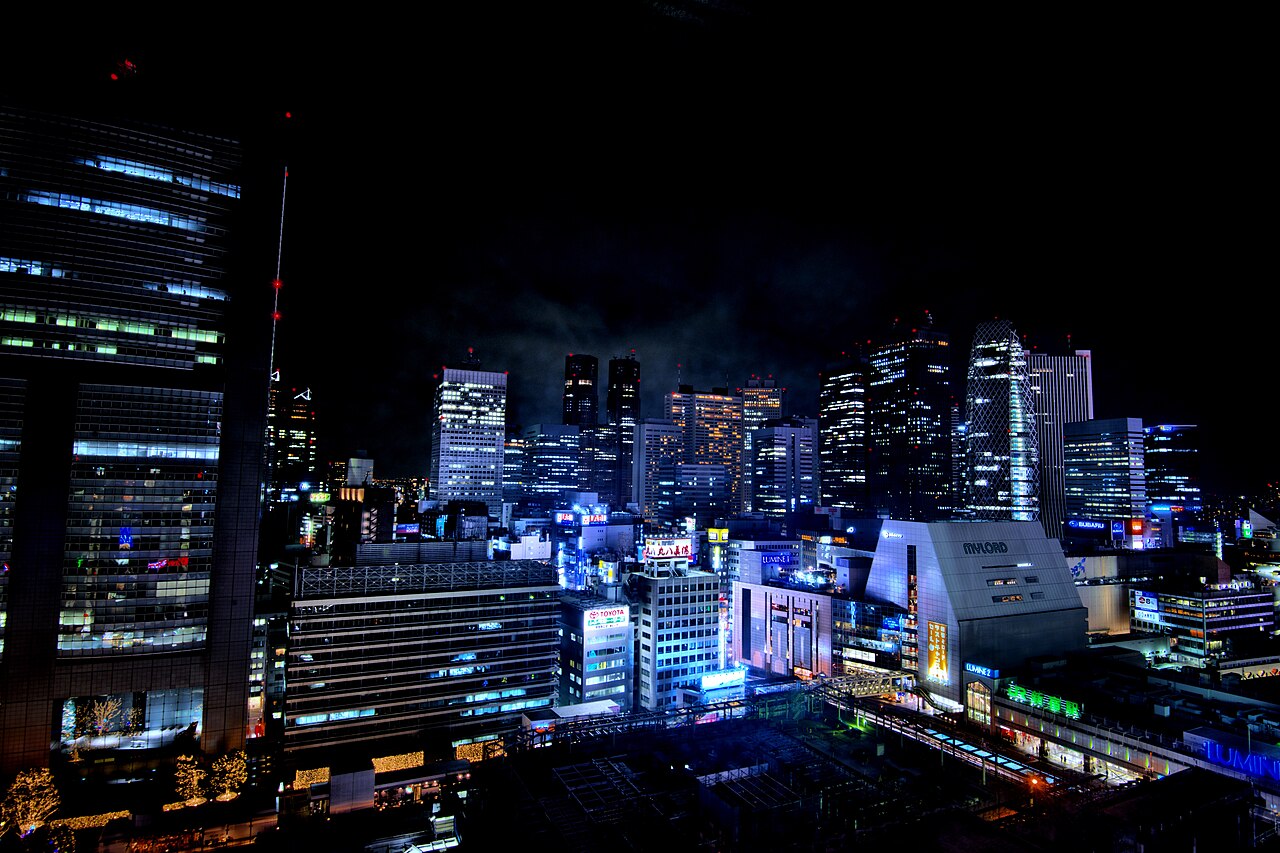
Cover: Night view south of Shinjuku Station, calvision / CC0, 2015 photo (cropped), original on Wikimedia Commons. Daytime illustration: Itoshin87 / Public domain, 2007 photo, original image. Historical photos illustrate area context only and do not evidence the parcel’s current condition.
Copyright: This article is original content by the author. Please do not reproduce, copy, or quote without permission. For usage requests, please contact the author or this site.