Words: 1633 | Estimated Reading Time: 9 minutes | Views: 27
By Li | 23 October 2026
Small businesses have moved into a cluster of old buildings near Narita Station. Low monthly rents can help entrepreneurs get started, but sustained rental income depends on usable space and ongoing management.
On 23 October, Toyo Keizai reported on the reuse of vacant buildings at Roman Village Narita (浪漫ヴィレッジ成田) in Chiba Prefecture. Located on lower ground beside the approach to Naritasan Temple, the site has gradually developed into a small cluster of restaurants, cafés and everyday services through phased renovation. This is not a project that has just opened. The useful question is how spaces that were difficult to use became premises that businesses wanted to rent.
For owners of old buildings near a station, that question offers more practical value than the observation that a retro streetscape is popular. What monthly costs can a small business afford? Who is responsible for access paths, equipment and shared spaces? These conditions determine whether renovated premises can continue generating rent.
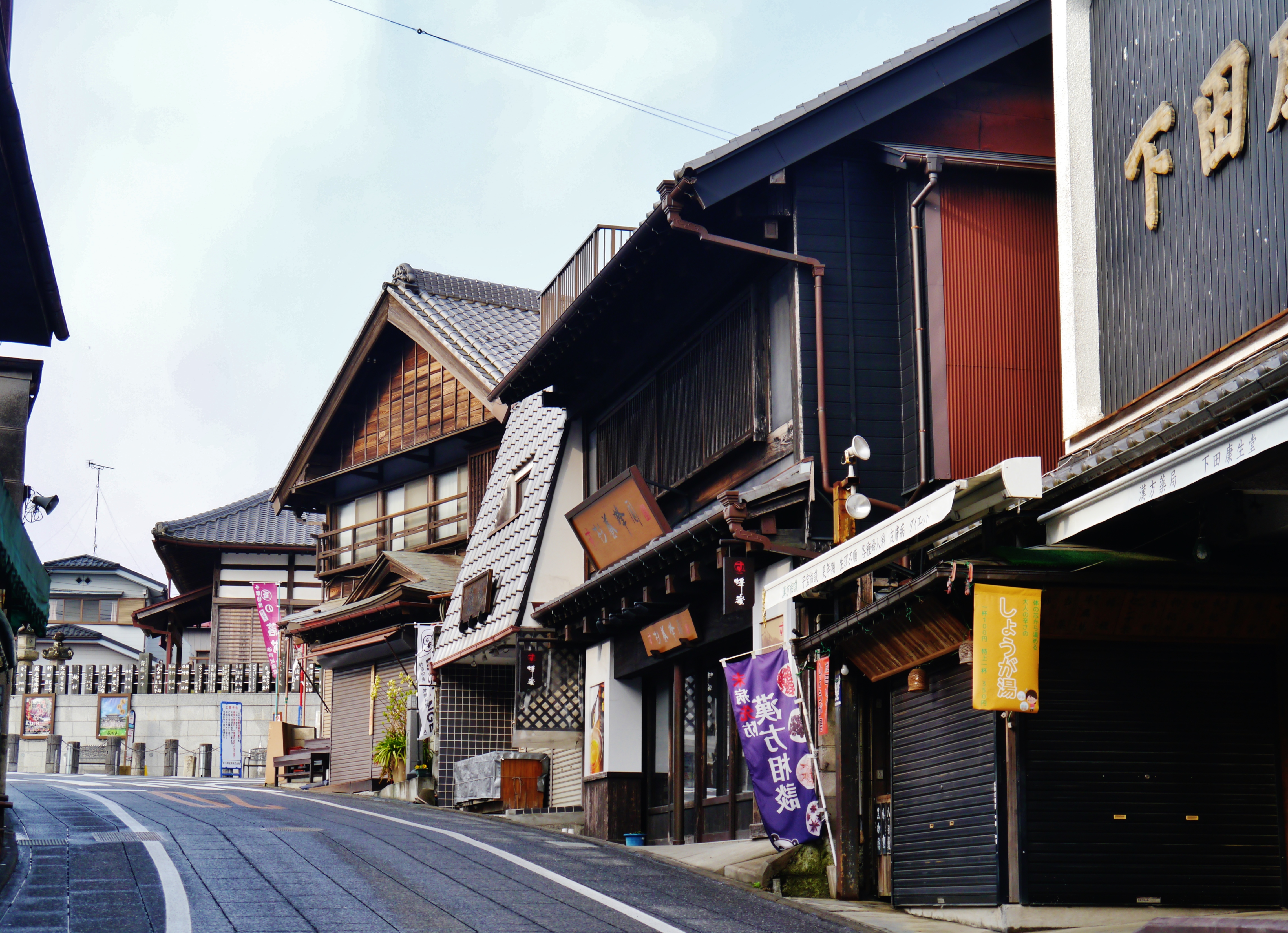
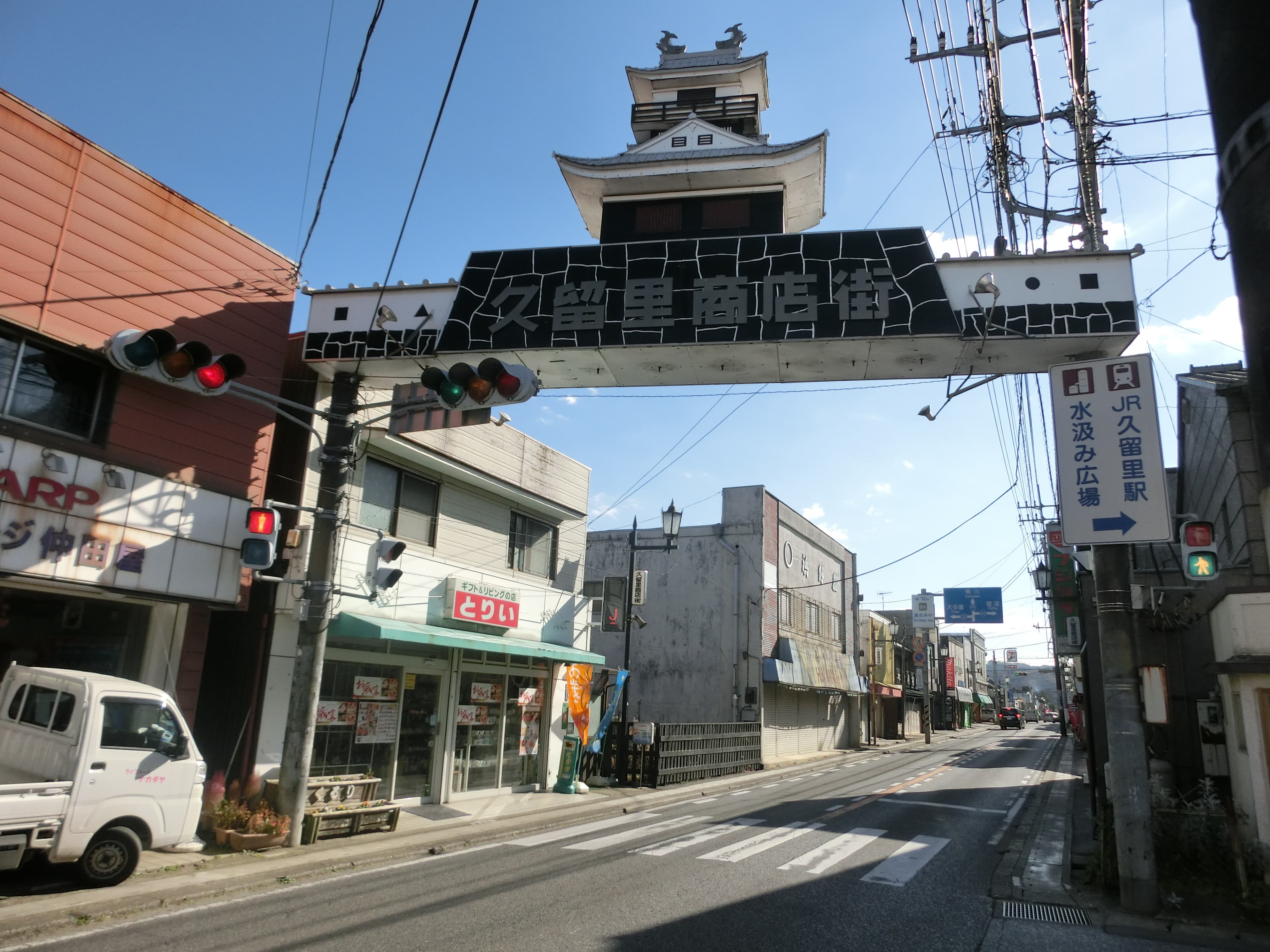
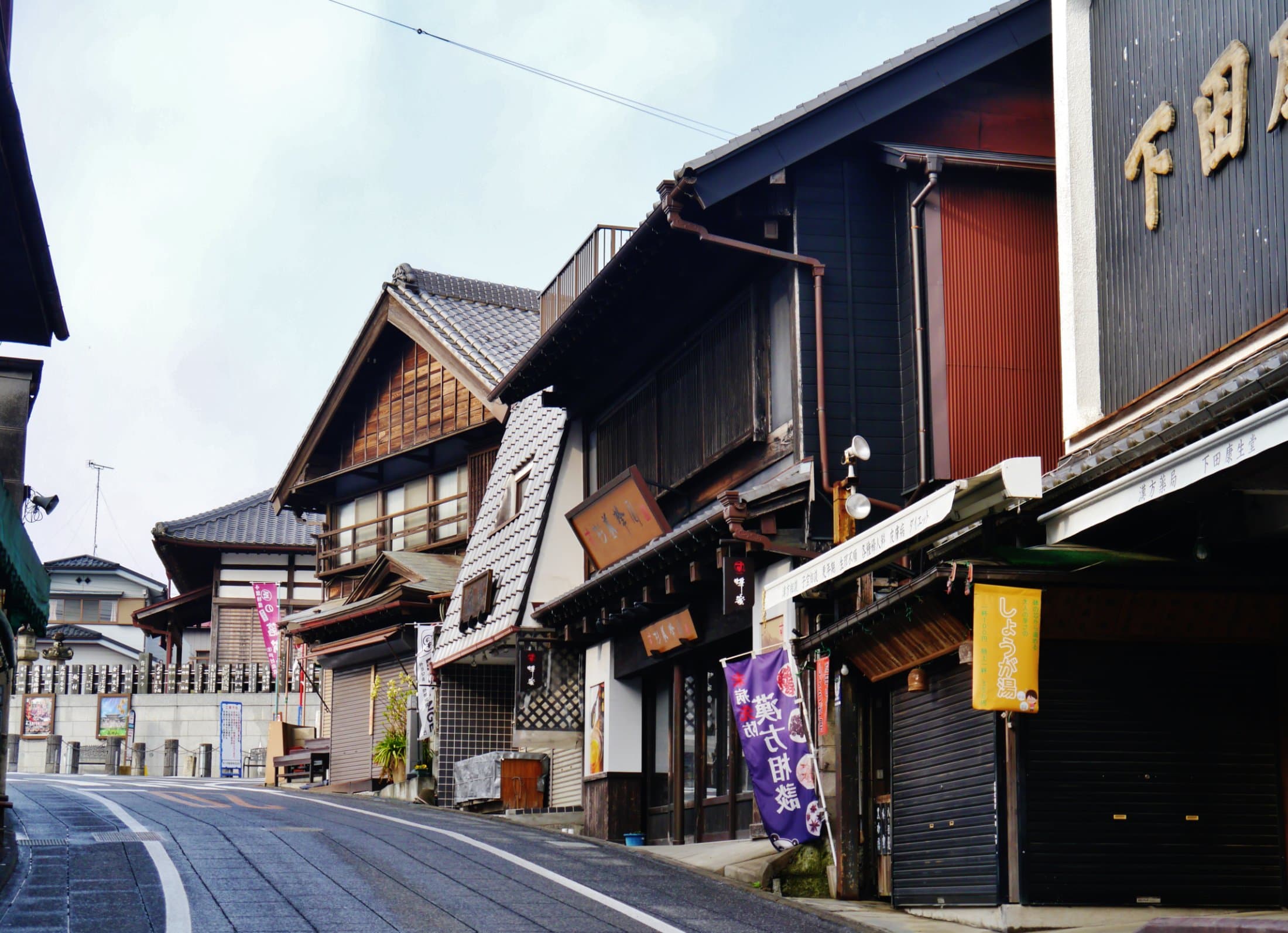
Archive photograph of Narita's Omotesando shopping street, taken on 31 March 2019. Zairon / CC BY-SA 4.0; original image used. This does not show the current Roman Village project. Source and licence are listed below.
A 9.99 m² shop: separating the monthly costs
The listing checked for Unit 12 specifies an area of 9.99 m², a monthly asking rent of ¥77,800 and a separate management fee of ¥22,000. Together, these total ¥99,800 per month, but that is not the full fixed cost of running a shop.
Here, “under ¥100,000” describes the monthly cash outlay. A small floor area can reduce a tenant's monthly payment without making the rent cheap per square metre. For a food business, the space available for equipment and preparation, and any reliance on external shared areas, say more about operational viability than rent alone.
The same listing specifies a two-year fixed-term building lease, shared toilets and conditions for equipment installation. Before signing, tenants need to budget for whether fit-out spending can be recovered during the lease, how water, drainage and gas will be connected, and what shared-facility maintenance covers. The ¥99,800 figure should not be read as including all these costs.
These are the advertised terms for one unit. Multiplying them by the number of shops mentioned in the report would not establish the income of the whole site. Floor areas, business uses and contracts may differ. Nor does a listing prove that the unit is still available or that a lease was signed at the advertised rent.
Being near the station does not guarantee customers will walk in
The project's website gives a walking time of about five minutes from Narita and Keisei Narita stations. It also states that there is no car park and that the entrance has steps. This setting may suit small businesses serving customers who arrive on foot or by appointment. Businesses relying on drivers, frequent deliveries or step-free access face additional requirements.
A site visit should therefore follow the routes used by customers and staff: whether the entrance is visible from the temple approach, how it is lit at night, where delivery vehicles stop, and how goods are moved in the rain. Being within walking distance of a station and persuading customers to enter a particular shop are separate questions.
Our earlier Bunkyo Garden analysis of retail access routes also examined the relationship between entrances, visibility and the way premises are used. Narita's project is much smaller, but buyers still need to establish what tenants are paying for: street exposure or a destination they must actively attract customers to.
Nearby residential rents describe housing costs, not shop values
Whether local residents can support everyday spending is one consideration for a small retail cluster. To understand rental budgets for compact homes around Narita Station, we screened advertised homes of 20–40 m² within a 1.2 km radius of the station and obtained 21 valid records.
The lower quartile of monthly base rent was ¥63,000, the median ¥72,000 and the upper quartile ¥80,000. These figures describe housing costs within this sample. They do not establish residents' incomes or capacity to spend on dining, and they are not comparable rents for shops at Roman Village.
Homes and shops differ in equipment, floor area, contracts and permitted use. A shop of less than 10 m² having a monthly rent similar to a home does not demonstrate that converting housing to retail is more profitable. Such a comparison leaves out renovation costs, changes in lettable area and subsequent management work.
A separate query returned three whole-building investment properties advertised as being within a 15-minute walk of Narita Station. Their gross asking yields had a lower quartile of 7.19%, a median of 7.35% and an upper quartile of 8.675%. The sample includes a planned property listed for completion in 2027, so the properties differ substantially.
These figures provide only a limited reference for current asking terms. They do not establish a capitalisation rate for a neighbourhood regeneration project. Dividing assumed rental income by 7.35% would not produce a justified acquisition price for this project. Shop vacancy periods, the useful life of renovation spending and annual shared-area costs still require separate evidence.
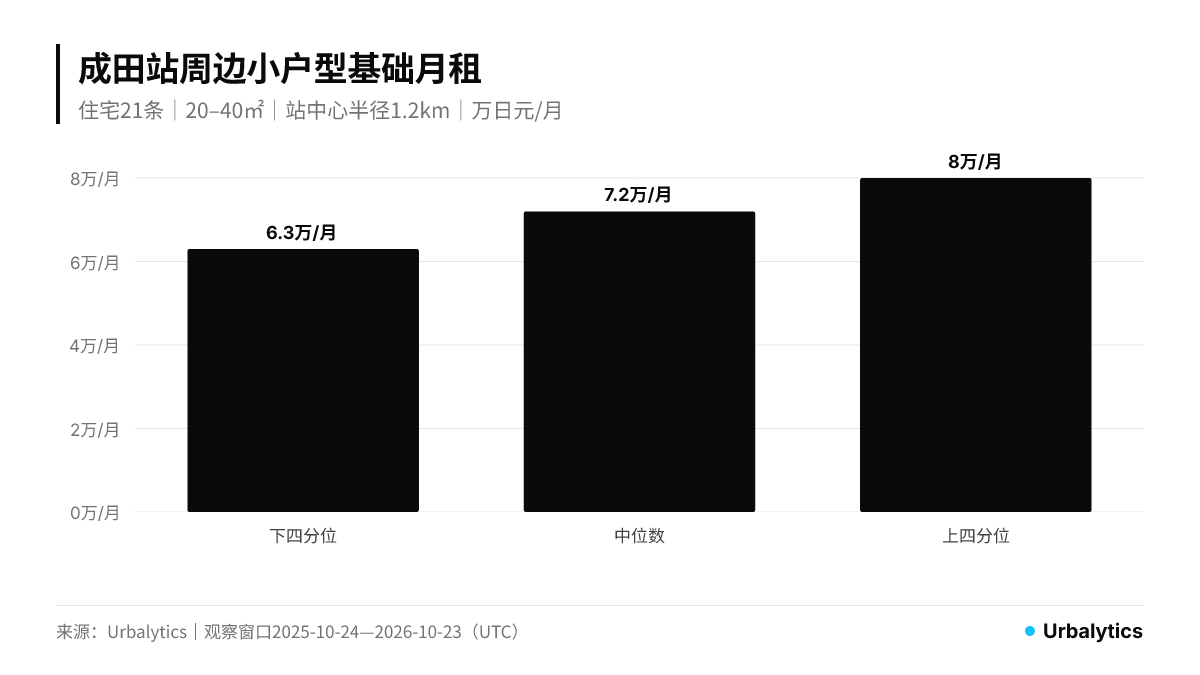
Upper panel: monthly base rents for 21 residential listings. Lower quartile ¥63,000; median ¥72,000; upper quartile ¥80,000. The chart's Chinese labels express amounts in units of ¥10,000.
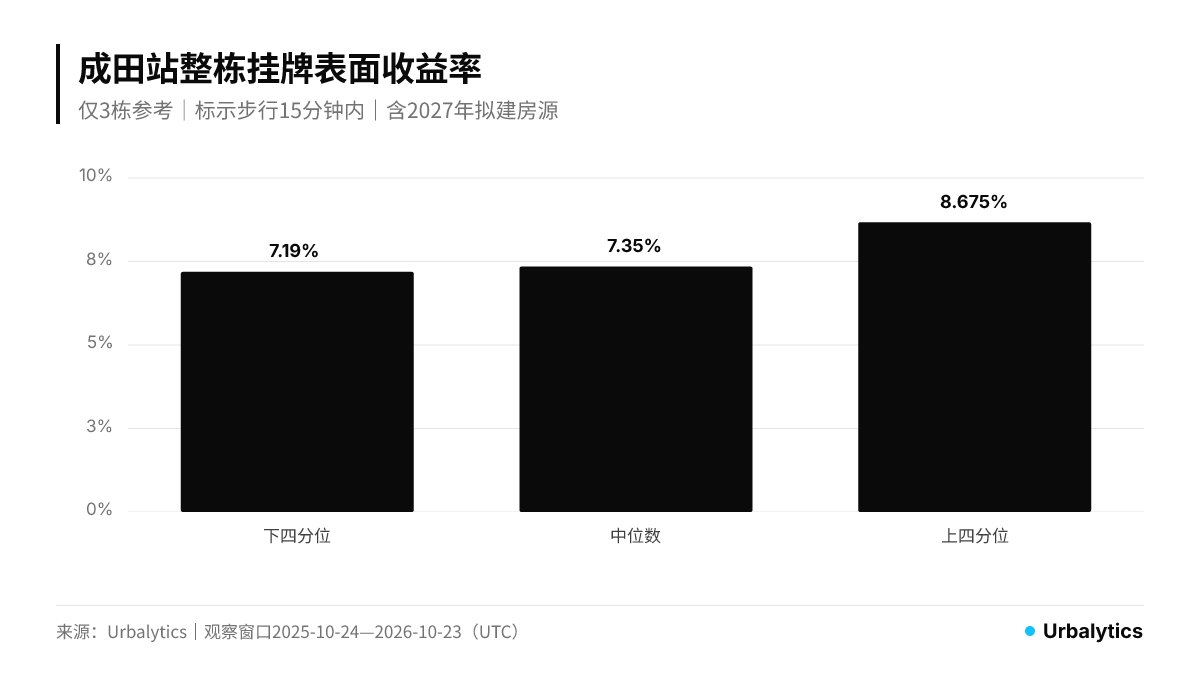
Lower panel: gross asking yields for three buildings. Lower quartile 7.19%; median 7.35%; upper quartile 8.675%. The two samples are independent and are not combined for valuation.
Data definitions: both windows cover 24 October 2025 to 23 October 2026, with date boundaries defined in UTC. The residential query uses the first-observed date, LISTED status and base rent. Two records were excluded from 23 raw records, leaving 21. Amounts are the currently stored asking rents, not agreed rents or a time series of rent increases for the same homes. Management fees and total-payment fields were not used.
The whole-building figures form a separate sample of properties listed or repriced within the window. With only three buildings, they are for reference only. Gross yields do not deduct repairs, taxes or operating expenses; whether annual income is based on current occupancy or full occupancy must be checked for each property. The two samples must not be combined into a hypothetical income-producing building. Monthly regional aggregates are available in the Chiba Prefecture market report.
There is a holding period between acquiring a vacant building and collecting rent
In the report, the operator described finding individual rights holders and encountering difficulties involving internal roads, rebuilding and financing. These are the interviewee's account of the project's experience. They do not replace professional checks on each parcel of land and building.
For buyers considering similar assets, the period before rent can be collected can have a substantial effect. Beyond the purchase price, contacting rights holders, checking access rights, investigating structures and services, and carrying out work in phases can require spending well before income begins. The character of the old buildings shown in photographs may be retained, but whether existing spaces can accommodate the intended use needs separate verification.
An acquisition plan should therefore distinguish acquisition, renovation and the start of trading. One shop opening early does not mean every building is complete. A shared path coming into use does not establish who will maintain it or bear responsibility for access. Building-by-building and shop-by-shop records are more useful than a single projected opening date for the whole project.
A cluster of small shops needs someone to keep doing the shared work
The project's website identifies separate participants for construction, operations and brokerage. When restaurants, cafés and salons share a site, communal lighting, hygiene, waste, events and coordination between shops remain ongoing tasks after renovation ends.
For an owner, shared operating costs are not a minor incidental expense. If management fees do not cover day-to-day work, who pays the difference? If tenants participate in events, will those arrangements survive staff changes? These agreements affect tenants' willingness to stay and the time a buyer must commit after taking over.
Our operating analysis of intergenerational rental housing in Fujisawa considered a similar question about cost allocation. Services and social interaction can add value for users, but someone must remain responsible for delivering them. In Narita, the premises are shops, so checks should address shared-facility maintenance, event organisation and tenant turnover rather than simply promise to “build a community”.
Public webpages confirm that businesses are operating here, but do not provide a complete picture of rent collection, tenant departures or net income. The operator's observations in the news report and still-accessible listings may refer to different units or dates. This article therefore does not infer full occupancy or a particular vacancy rate.
Owners assessing the reuse of old buildings near Narita Station should next obtain the current leases and payment records for each shop, then bring renovation spending, shared-area costs and operating staff input into the same schedule. If low monthly charges retain suitable businesses while covering those continuing costs, small spaces may become assets worth holding for the long term.
Tags
#Narita #ChibaRealEstate #RomanVillageNarita #VacantBuildingReuse #BuildingRenovation #SmallRetail #CommercialLeasing #RentalAnalysis #PropertyManagement #RetailAccess #InvestmentProperty #Urbalytics
References
1. Toyo Keizai, 中川寛子, 23 October 2026: Roman Village Narita report, all seven pages.
2. Roman Village Narita: project and access information and participating companies, checked on 23 October 2026.
3. FIT PLAN: Unit 12 letting terms, page published on 29 September 2025 and checked on 23 October 2026.
4. Urbalytics residential rental and whole-building listing statistics, queried on 23 October 2026. Filters and definitions are set out above.
5. Cover and body archive photograph: Narita Altstadt 1, Zairon, 31 March 2019, CC BY-SA 4.0. Original image used. This shows Narita's Omotesando shopping street, not the current Roman Village project.
Copyright: This article is original content by the author. Please do not reproduce, copy, or quote without permission. For usage requests, please contact the author or this site.