Words: 1653 | Estimated Reading Time: 9 minutes | Views: 4394
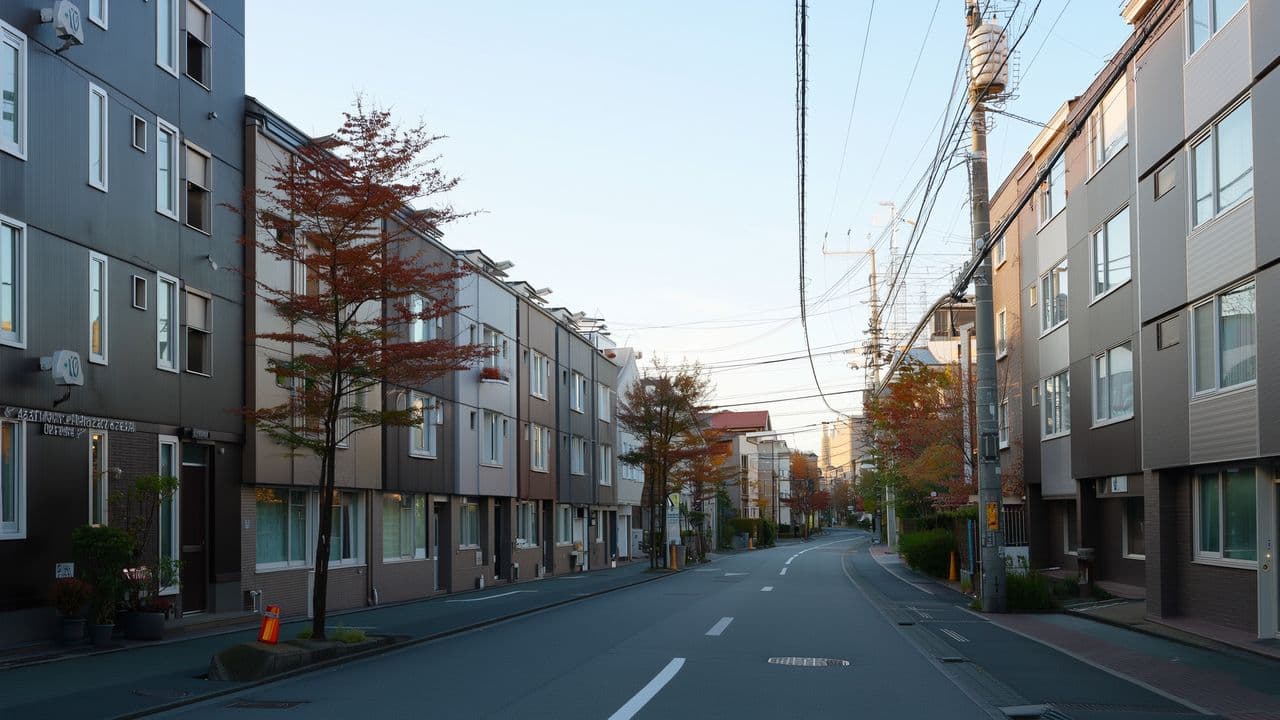
Fuchu City in the suburbs of Tokyo has long been known for its robust fiscal strength and highly livable environment. Within this city with a long history, the Tama (Tama/Tama-area) neighborhood was traditionally a quiet cluster of academic institutions and green spaces. However, following the launch of a major Mitsui Fudosan shopping-center project, this previously low-profile area is attracting unprecedented investor attention. The arrival of new commercial facilities signals that Fuchu–Tama is shifting from a ‘potential play’ to a high-profile investment hotspot.
Regional History and Urban Development Context
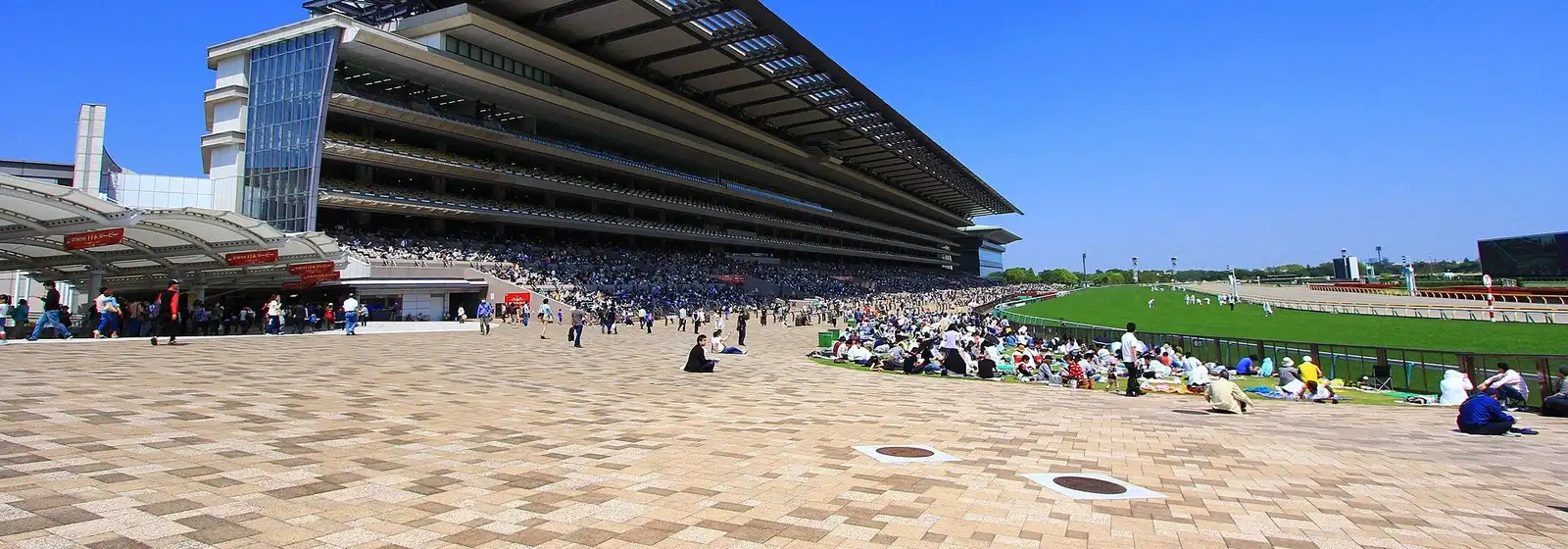
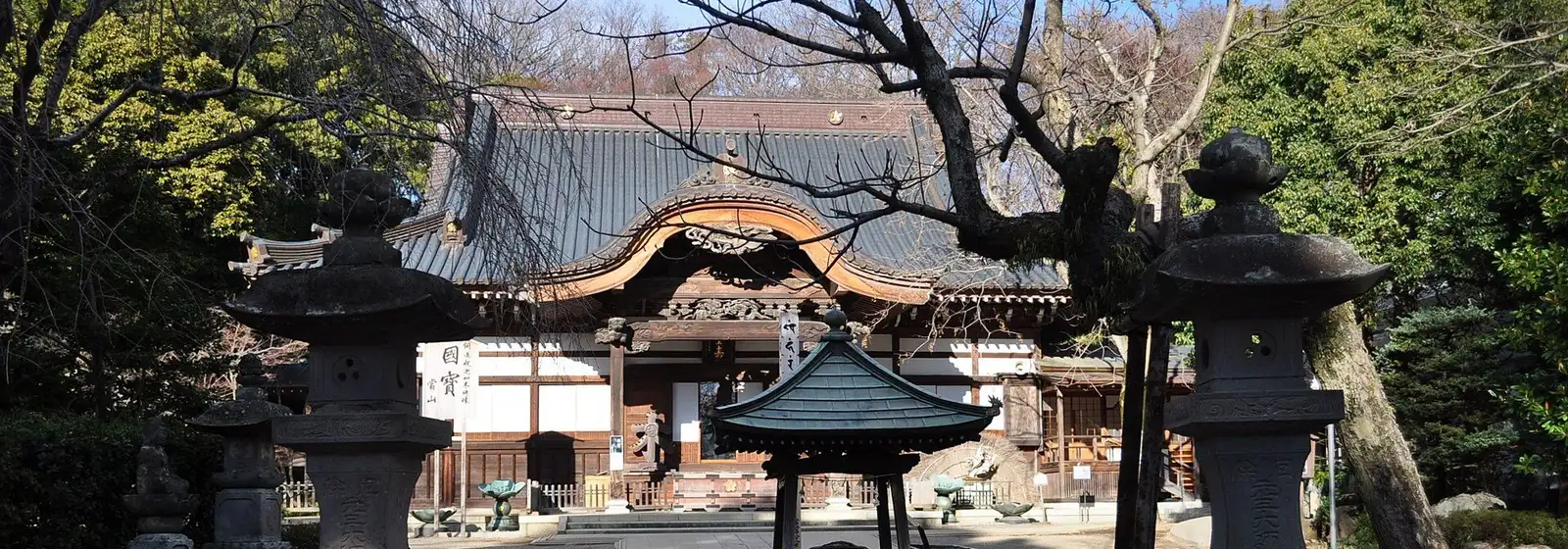
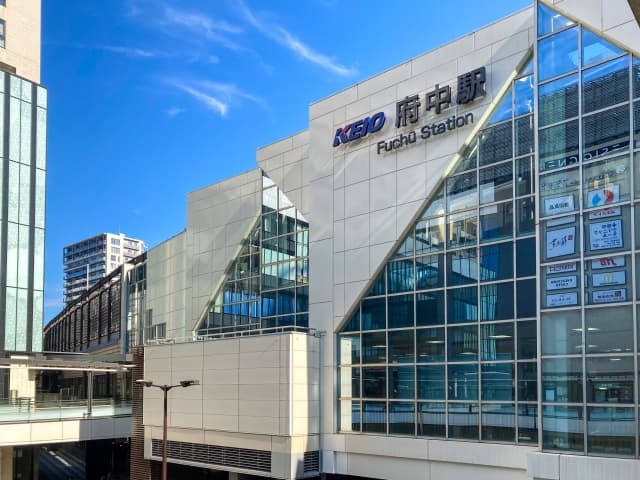
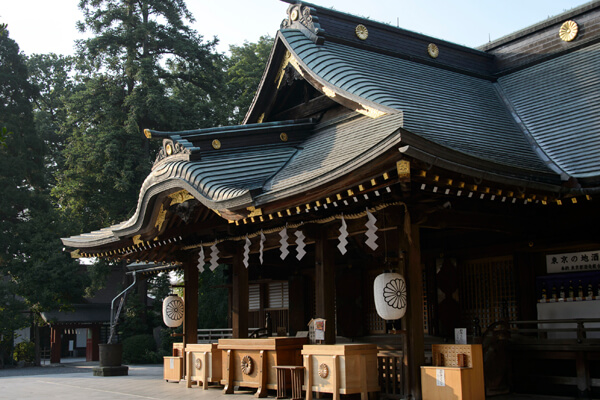
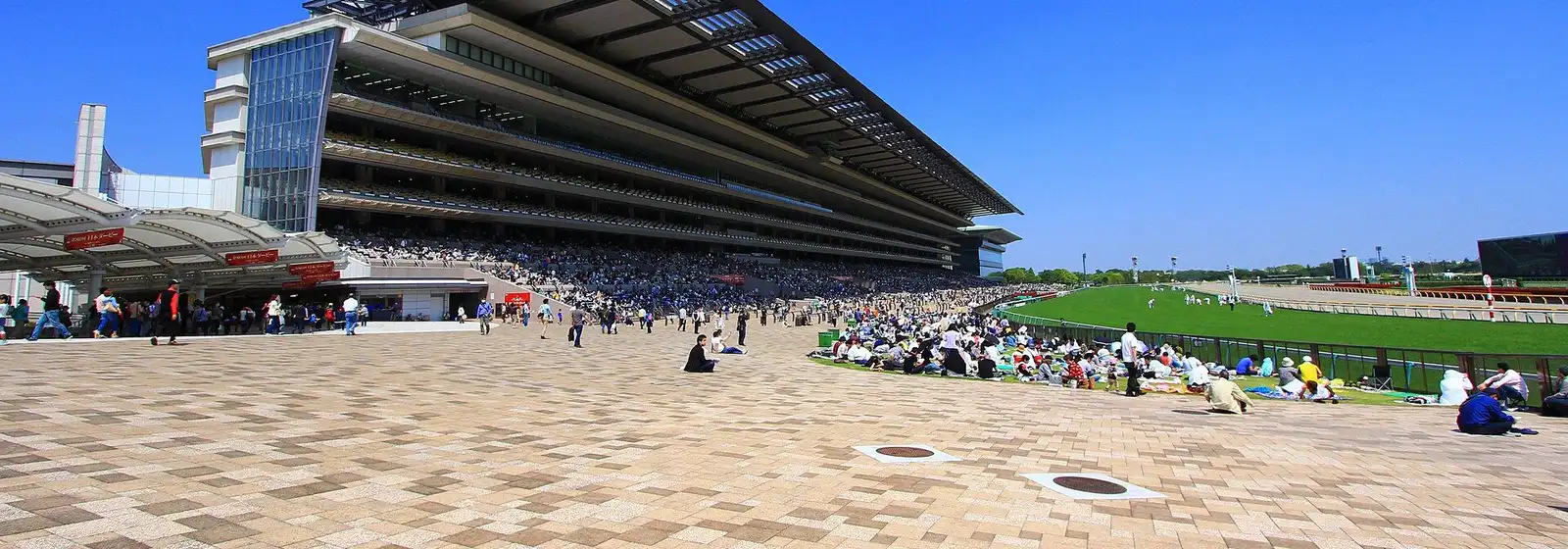
Located in Tokyo’s Tama region, Fuchu has long been a place with deep cultural and historical roots. The city name “Fuchu” dates back to the ritsuryō administrative system, when the area served as the provincial government seat of Musashi Province. This long history has endowed Fuchu with a distinctive traditional charm — near Keio Line Fuchu Station stands the Musashi Soja Okunitama Shrine, with more than 1,900 years of history that draws many visitors annually; the Tokyo Racecourse is also located in the city, bringing tourist traffic and serving as an important pillar of local public finances (Fuchu’s fiscal strength index is as high as 1.21, ranking it among the top municipalities in Tokyo).
Find properties in 東京都府中市
Individual listings, price-change history, closed transactions and AI valuations are available on a free account.
From the postwar period to the present, Fuchu has continued to develop: since the 1980s, Keio Line Fuchu Station has undergone elevation works and station-area redevelopment, creating a pedestrianized commercial core that has renewed the city center. Today, the Keio Line limited express reaches Fuchu Station in roughly 24 minutes from Shinjuku, and convenient transport has made the city popular with commuters and families. The busy station-front commercial district and the area’s rich historical and cultural assets combine to create Fuchu’s unique atmosphere of heritage and vitality.
In terms of environment, several prominent universities (International Christian University, Tokyo University of Foreign Studies, etc.) and international schools (American School in Japan) are located in the Fuchu–Tama area, surrounded by large green spaces (Musashino no Mori Park, Nogawa Park, etc.), combining an academic atmosphere with an attractive living environment. In many Western countries, suburbs adjacent to campuses and parks are highly sought after. In fact, a number of expatriates historically chose to live in this area — for example, the well-known American politician John D. Rockefeller IV is said to have lived nearby while studying at ICU (International Christian University) in the 1950s.
Population and Real Estate Market Trends
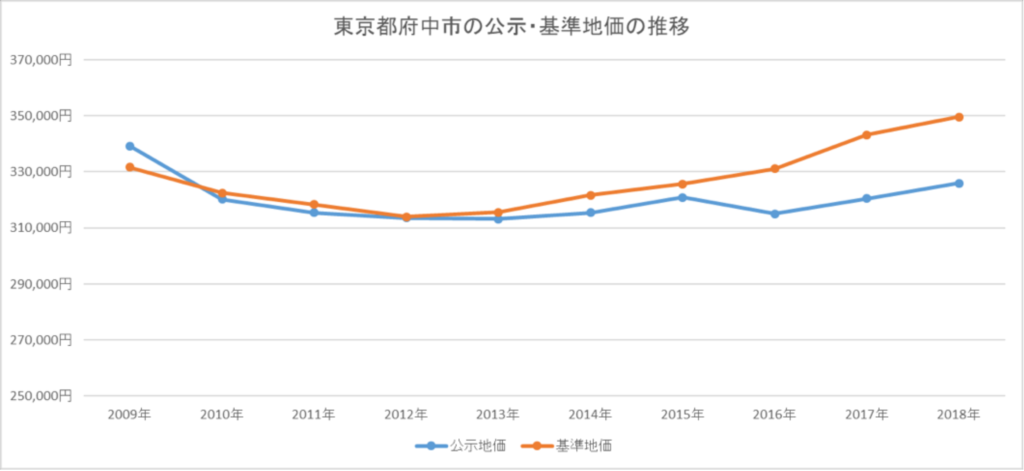
By the numbers, Fuchu’s fundamentals are solid. Urbalytics data indicate the city’s population is currently around 260,000 and has remained stable in recent years (the 2020 census recorded approximately 263,000). Ample tax revenue and autonomous financial resources have allowed Fuchu to maintain a high level of fiscal soundness, supporting ongoing urban development. Land prices have trended upward in recent years: the 2025 published land prices rose roughly 7.4% year-on-year, one of the higher increases among Tokyo’s suburban municipalities. The Ministry of Land, Infrastructure, Transport and Tourism statistics also show a recovery in Tama-area land prices, with Fuchu’s rise reaching around 9% at one point, reflecting market confidence in the area’s prospects. On one hand, the post-pandemic rise of “moderately living outside the city center” lifestyles and, on the other, redevelopment tailwinds have further increased the attractiveness of Fuchu real estate.
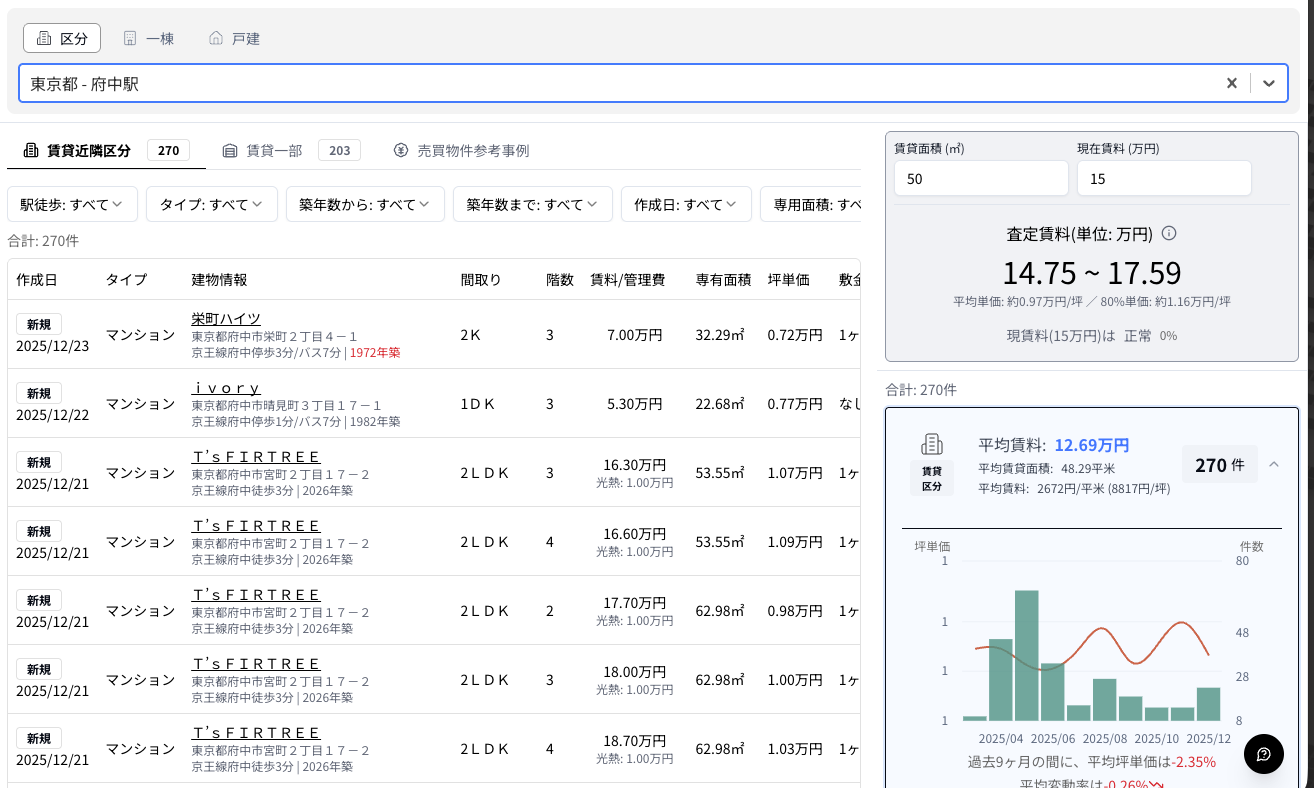
Rental demand remains robust due to the concentration of universities, research institutes, and companies in the city. Demand for small units near Fuchu Station and Bubaigawara Station is consistently strong among single students and young professionals; comprehensive childcare support also attracts young families, sustaining demand for mid-to-large units. By contrast, areas around Tama Station historically lagged the city center in commercial amenities, so rental demand was somewhat lower but purchase prices were relatively affordable, producing relatively high rental yields of about 5.5%–6.5%. As the area’s redevelopment benefits materialize, this previously secluded Tokyo suburban asset is entering a revaluation phase.
The Rise of a Major Commercial Project
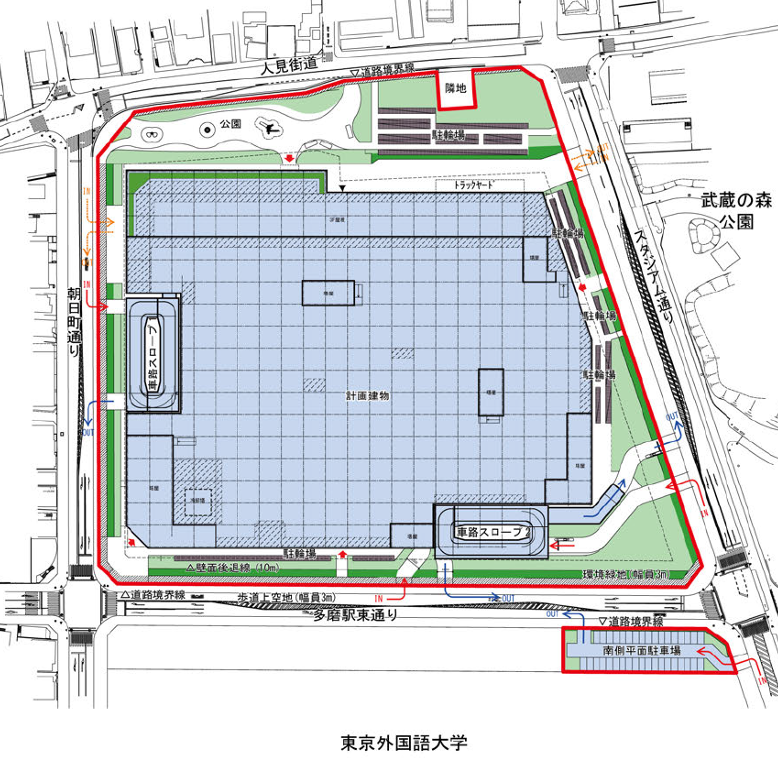
Recently, the Tama area hit a major catalyst for transformation — Mitsui Fudosan plans to develop a large commercial facility in Asahicho, Fuchu. The site is located east of Seibu Tamagawa Line’s Tama Station, adjacent to the Tokyo University of Foreign Studies Fuchu campus, on a former U.S. Chofu base site. After the land was returned, Ito-Yokado originally planned a large supermarket development, but that project stalled due to changes in the operating environment and high construction material costs. Mitsui Fudosan has now taken over and is re-planning the site as a large shopping center potentially branded under the “LaLaport” or “Lala Terrace” names. According to materials presented at local resident briefings, the site area is about 39,000 square meters, with a planned five-story above-ground commercial facility. The gross floor area is approximately 117,000 square meters; floors 1–3 are planned as the shopping-center core, while floors 4–5 and the rooftop will accommodate a large parking facility expected to provide about 1,650 spaces. Although this scale is somewhat smaller than some suburban flagship malls (for example, LaLaport Tachihi in Tachikawa covers about 94,000 sqm and the larger AEON Mall Musashimurayama about 137,000 sqm), it far exceeds a typical neighborhood mall and could become the new commercial hub for Tama and surrounding areas.
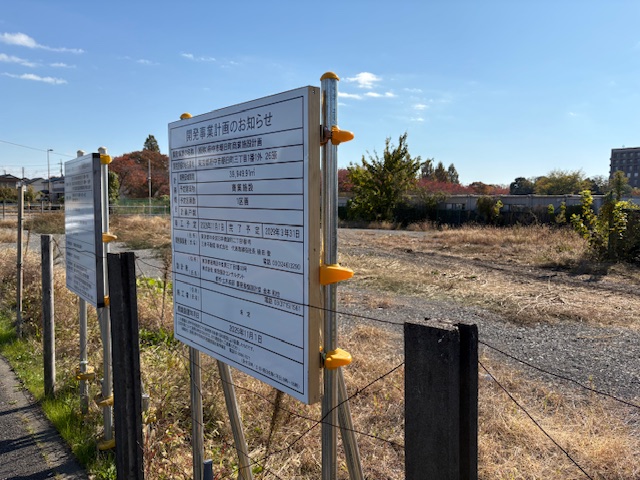
According to the plan, construction is scheduled to begin in autumn 2027, with completion and opening targeted for April 2029. Preliminary work such as archaeological surveys for buried cultural properties is currently underway and may affect the construction schedule to some extent, but overall the project timeline is clear. Notably, the Asahicho area around Tama Station is geographically adjacent to Chofu City and Mitaka City and historically had limited interaction with the bustling Keio Line Fuchu Station area. However, the Seibu Tamagawa Line completed a station rebuild in 2020 and added a free passage, and service frequency is now stable (about five trains per hour in both peak and off-peak periods), improving the “last-mile” connectivity. The site is also near the Chofu and Inagi interchanges on the Chuo Expressway, so the mall is expected to attract a large number of car-borne visitors after opening. The emergence of this large commercial facility marks a coming transformation that will bring footfall and commercial opportunities to the formerly quiet Tama area.
Regional Value and Future Investment Outlook
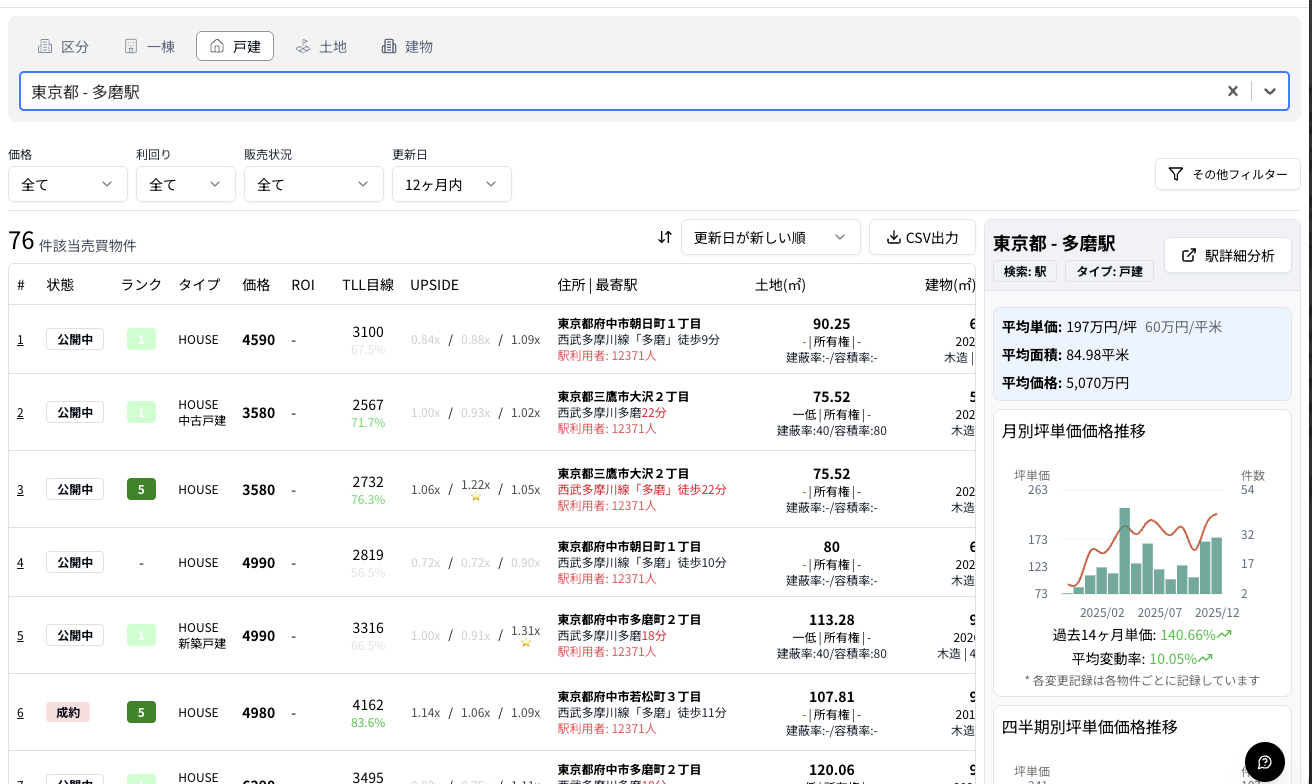
The completion of a large shopping center is likely to have a profound impact on the Tama area’s living functions and investment value. First, residents’ convenience will be significantly improved. Tama Station’s surroundings have long lacked substantial shopping facilities, forcing residents to drive elsewhere for daily purchases — a noted drawback of living in the area. After the Ito-Yokado project stalled, residents have longed for a major supermarket to move in. With Mitsui Fudosan’s mall plan now confirmed, the area’s history as a “retail desert” may be ending — the mall is expected to include a general supermarket, fresh-food market and other formats to meet local families’ one-stop shopping needs. Improved amenities will directly enhance residential attractiveness, and industry consensus predicts that land and housing prices in the Tama area will experience upward pressure before and after the project’s completion. Urbalytics shows that current listed residential land prices around Tama Station are approximately ¥1.9 million per tsubo (≈¥1.9M/tsubo), lower than Fuchu’s central wards and neighboring Chofu City; resale detached houses typically sell in the ¥40–50 million range. With the new commercial facility, the area’s combined advantages of convenience and environment are expected to become more prominent, providing further upside to property values.
Traffic impact is a concern: a large mall will bring additional pedestrian and vehicle flows, raising worries about road capacity. Major roads in the Tama area such as Hitomi Street are relatively narrow, and congestion already occurs on weekends and during events at nearby Ajinomoto Stadium. Some local council members have warned that, if the mall opening coincides with events at Musashino no Mori Park, traffic congestion and pedestrian safety will require preemptive measures, and they are calling on the Tokyo metropolitan government to accelerate the opening of planned routes Fuchu Nos. 3, 4 and 12 (new district roads) to relieve bottlenecks. The Fuchu city government has responded that it will actively assist in accelerating those road projects. This indicates that, alongside commercial growth, infrastructure upgrades and community coordination will be key issues to monitor.
Conclusion
For professional investors seeking opportunities in Tokyo’s suburbs, the Fuchu–Tama area presents an encouraging outlook. As a mature city with deep cultural roots and sound municipal finances, Fuchu can expect a meaningful uplift in area value once a major commercial facility is introduced in the Tama neighborhood. In the short term, construction and development will directly prompt land and property revaluation, and filling the retail void will improve local residents’ quality of life. In the medium to long term, the Tama area is likely to form a distinctive combination of green campuses and retail convenience that can attract broader population inflows and sustained rental and purchase demand, supporting continued strength in the housing market. Investors should, however, monitor potential risks during project implementation — for example, whether transport infrastructure is upgraded in tandem and how mall operations affect neighborhood tranquility. Overall, the Tama area in Fuchu is gradually shifting from a niche “potential” asset to a mainstream “value” opportunity. With favorable planning and market trends working together, this long-quiet academic and green enclave offers investors a chance to capture development upside while entering Tokyo’s quality suburban real-estate market at a relatively accessible threshold.
References:
Source: Wikipedia (Japanese), 2023, https://ja.wikipedia.org/wiki/府中市_(東京都)】
Source: Apamanshop, 2023, https://www.apamanshop.com/tokyo/townpage/ranking/town-zaisei/】
Source: Diamond Fudosan Research Institute, 2025, https://diamond-fudosan.jp/articles/-/1112371】
Source: Chofu Keizai Shimbun, 2024, https://chofu.keizai.biz/headline/4303/】
Source: City Councillor Ryo Yuki’s blog, 2025, https://www.r-yuuki.jp/2025/11/30874/】
Source: Renovation Compass, 2025, https://milkglassco.com/column/latest_trends_survey_of_real_estate/】
Source: Renolike Real Estate Column, 2025, https://column.renolike.com/p908/】
#TokyoSuburbs #FuchuCity #TamaArea #LargeCommercialFacility #MitsuiFudosan #LaLaport #UrbanRedevelopment #AcademicDistrict #GreenAndLivable #RealEstateInvestment #RentalMarket #TransportPlanning #RegionalEconomy #InvestmentOpportunity
Copyright: This article is original content by the author. Please do not reproduce, copy, or quote without permission. For usage requests, please contact the author or this site.
Photos in this article: 東京競馬場 くろふね/CC BY 3.0(トリミング) Wikimedia Commons·Fuchu-Station.Keio-Line.Tokyo.Japan Fuchu/CC BY-SA 4.0(トリミング) Wikimedia Commons·Jindaiji- 江戸村のとくぞう/CC BY-SA 4.0(トリミング) Wikimedia Commons·TamaStation 20201 Rsa/CC BY-SA 3.0(トリミング) Wikimedia Commons·Tokyo University of Foreign Studies Building for lectures and studies IchiroHayano/Public domain(トリミング) Wikimedia Commons·Keio tamagawa station n Chabata_k(Japan)/CC BY-SA 3.0(トリミング) Wikimedia Commons