Words: 1125 | Estimated Reading Time: 6 minutes | Views: 6434
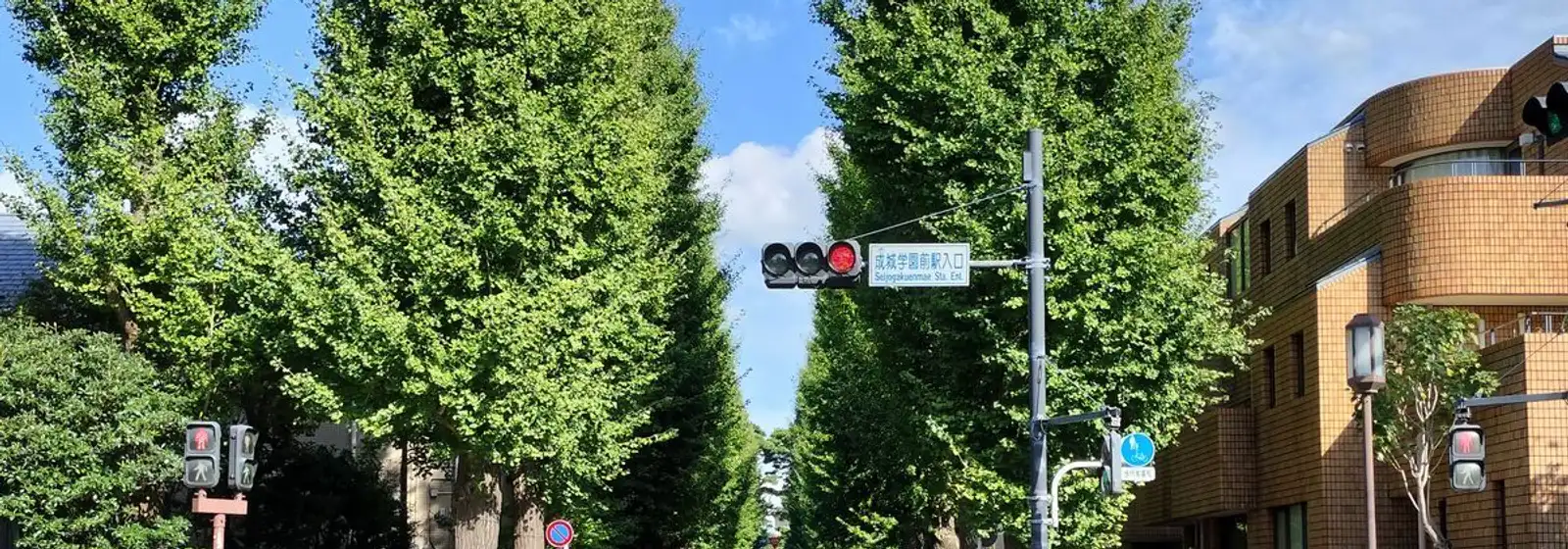
Hidden in Setagaya Ward of Tokyo and often overshadowed by neighboring Shimokitazawa and Seijo Gakuen-mae is an overlooked area that demonstrates a distinctive residential ecosystem and resilience in real estate value — Kyodo. It is neither a typical high-end residential district nor a bustling commercial center, but due to its "student ecosystem" and a stable walkable living area, it is increasingly becoming a niche worth watching in the Tokyo property market.
Historical and Urban Development Context
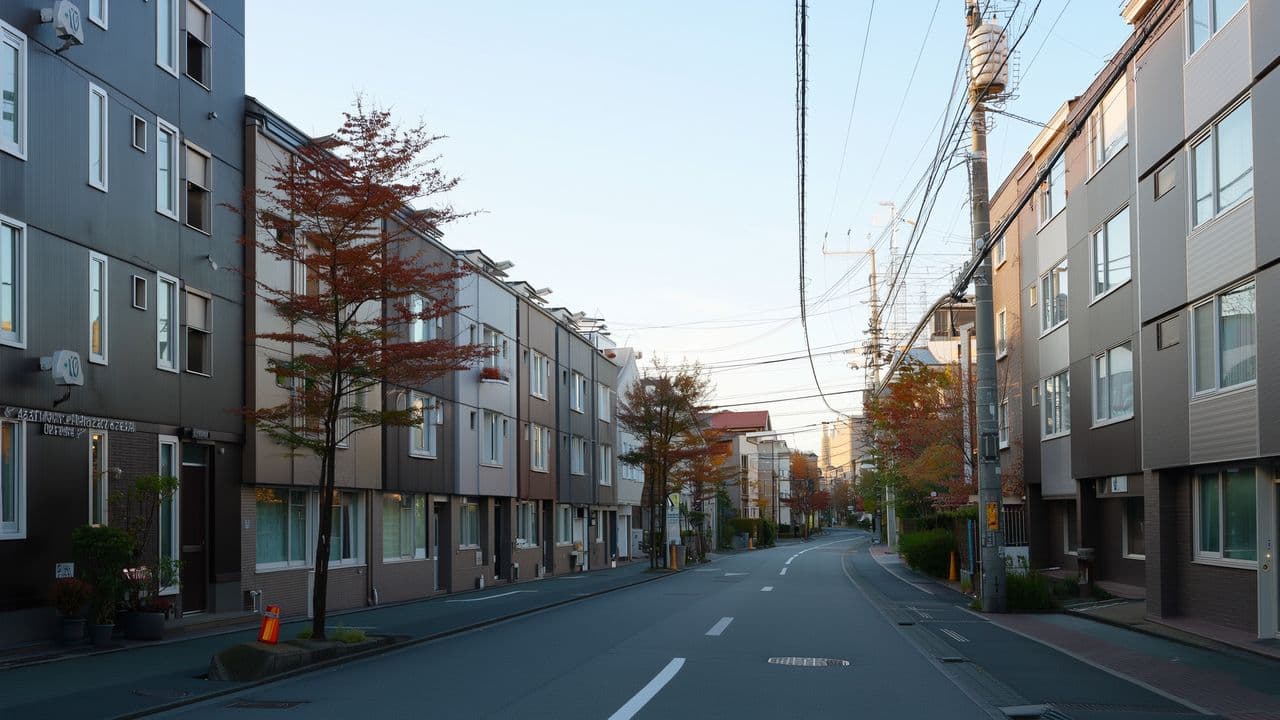
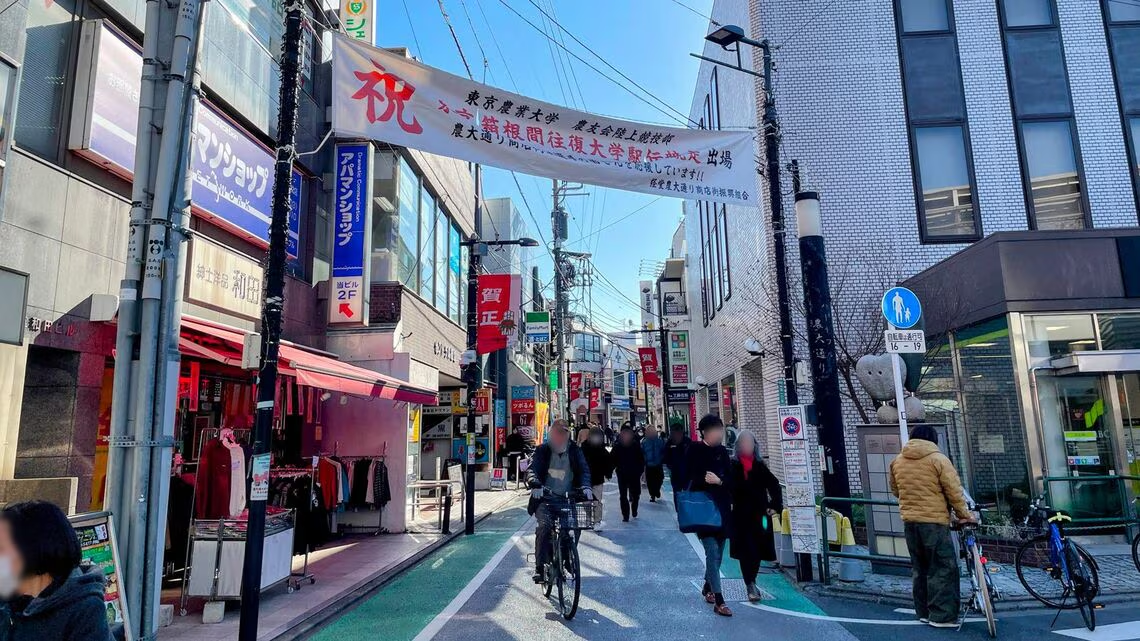
As a neighborhood with a strong lived-in character within Setagaya, Kyodo gradually developed into a self-contained residential community following the opening of the Odakyu Line. Compared with the luxury atmosphere of Seijo Gakuen-mae or the countercultural vibe of Shimokitazawa, Kyodo's evolution more clearly reflects the characteristic of "street-front commerce interwoven with residential streets, with community activities growing organically." Historically farmland and small villages, the area rapidly transformed into a residential district as Tokyo's population expanded into the suburbs after the Great Kanto Earthquake. Over time, traditional shops and locally run eateries lining the streets created a distinctive neighborhood memory and turned thoroughfares such as Nodai-dori into important daily-life arteries.
Find properties in 東京都世田谷区
Individual listings, price-change history, closed transactions and AI valuations are available on a free account.
Tokyo University of Agriculture (Nodai) acts as a cultural and foot-traffic anchor with a deep influence on Kyodo's urban form. The university brings educational resources and an active population, and through the interaction between students and the local community, tourist-oriented consumption, and job opportunities, it shapes the area's commercial ecology and residential characteristics.
Key Data Trends: Population, Land Prices and Rental Demand
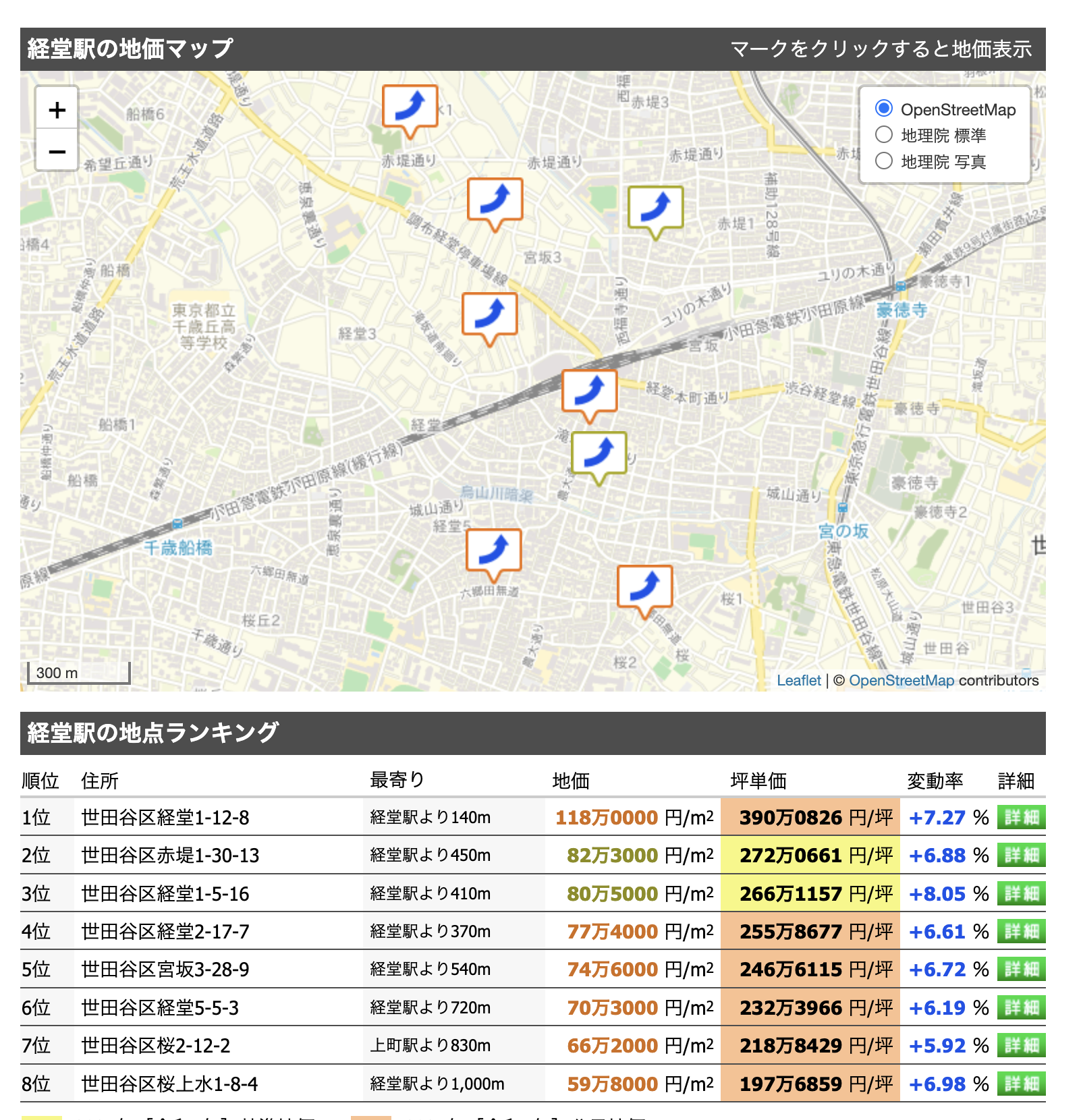
From a real estate market perspective, land and housing prices in Kyodo show a steady profile. In 2025, the average published land price around Kyodo Station was approximately JPY 2.43–2.60 million per tsubo, up from the previous year, indicating continued market recognition of the area's residential value.
Meanwhile, data from Urbalytics show resale condominium prices have risen by roughly +60% cumulatively over the past five years, outperforming many western Tokyo neighborhoods and reflecting continued appeal in existing housing stock.
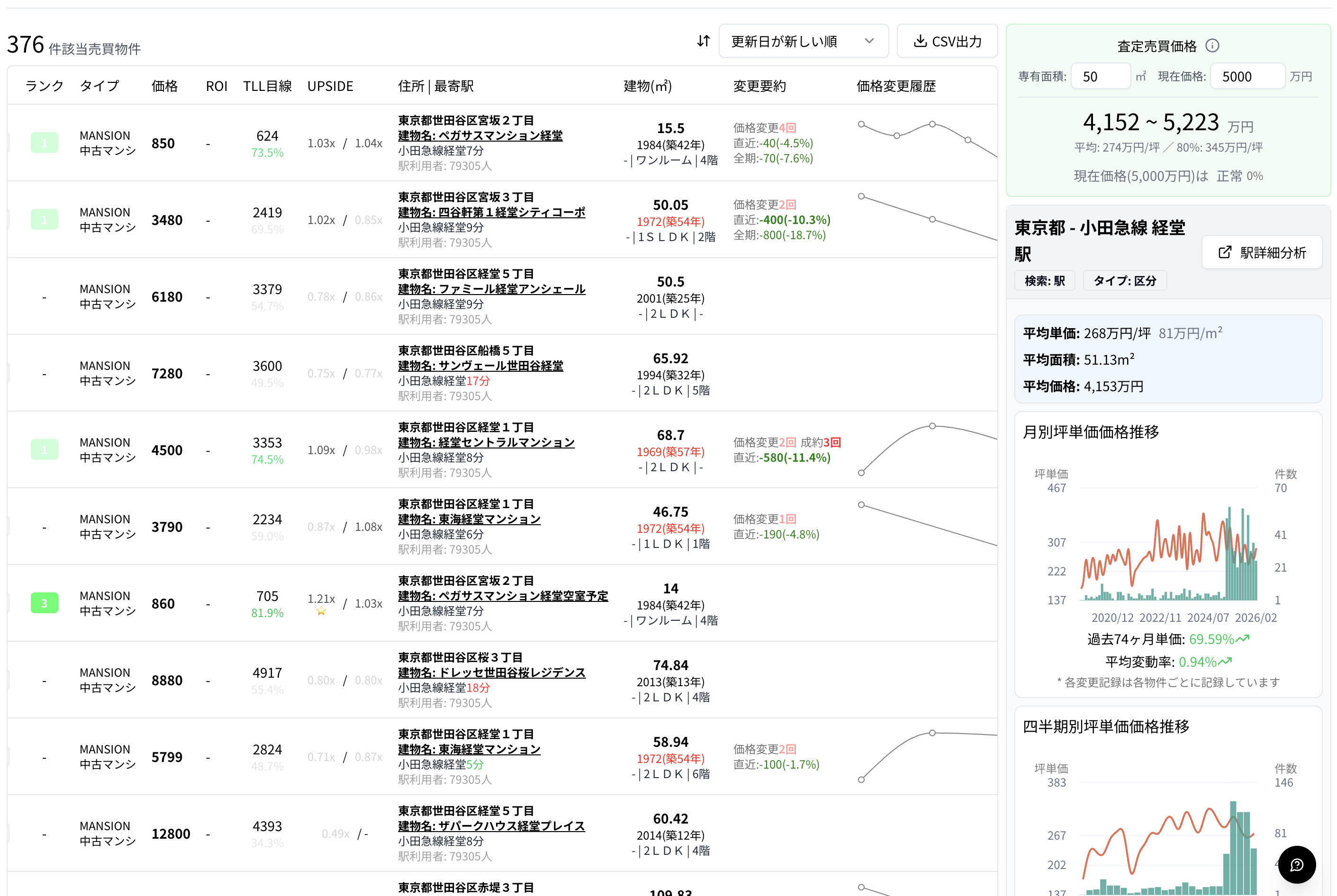
On the rental side, units around Kyodo Station are primarily practical living apartments such as one- and two-bedroom layouts. Urbalytics data indicate that Kyodo's rent structure shows no significant premium versus Tokyo overall, but steady demand from singles and families results in relatively low vacancy rates and stable rental income characteristics.
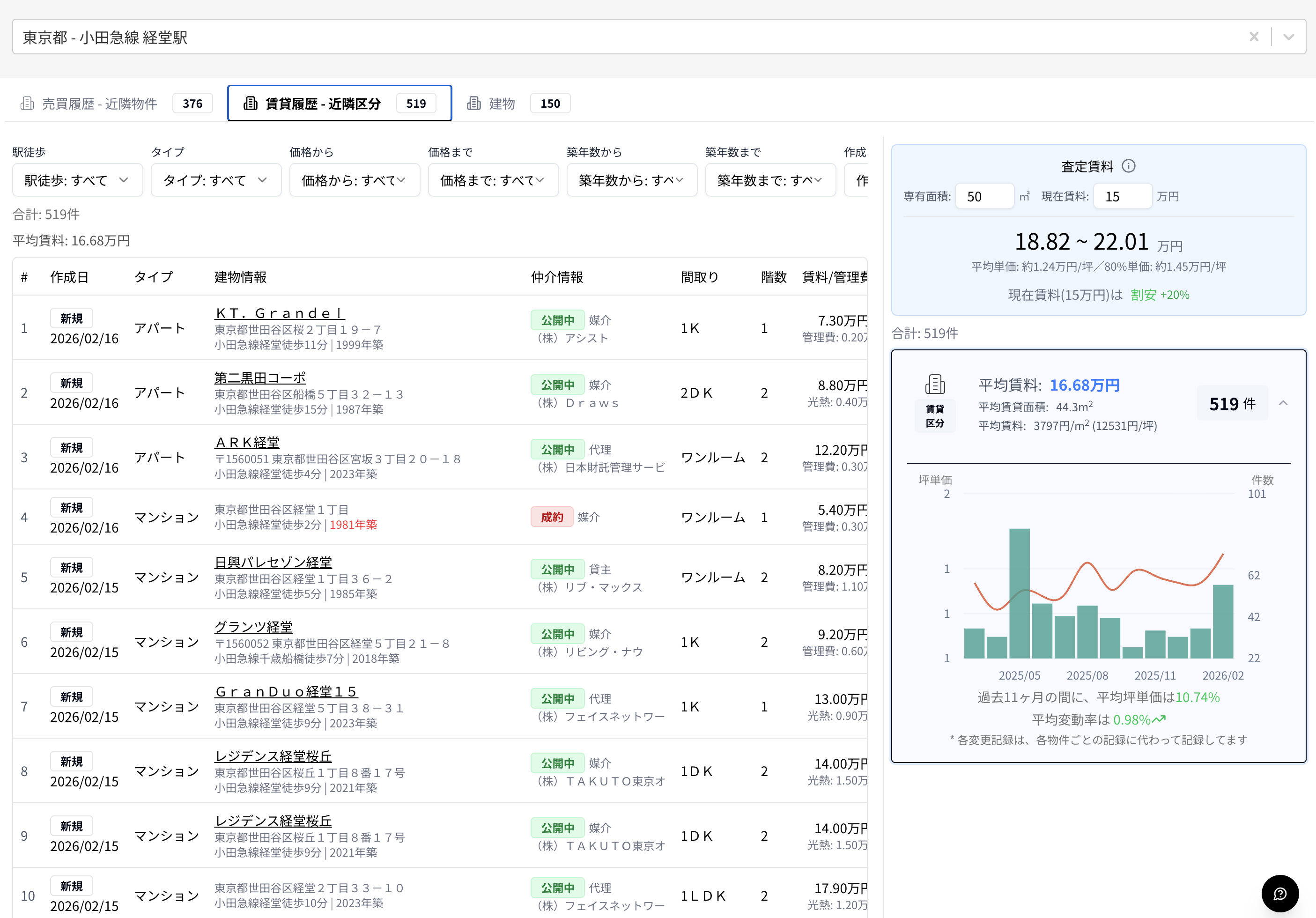
Regarding community population and living functions, besides university students Kyodo attracts young professionals and families seeking a balance of everyday convenience and commuting efficiency. This multi-layered residential demand provides a foundation for stability in the area's future rental market.
Changes in the Community "Ecosystem"
Longtime local religious studies scholar Hiromi Shimada observes that while Kyodo is often mistaken for a "somewhat upscale but not top-tier" mid-tier residential area, its nature as a student neighborhood means relatively affordable housing options can still be found, resulting in a more balanced living experience. For investors, this implies Kyodo behaves like a "defensive asset curve": lower volatility and more dispersed demand compared with headline-driven districts, suitable as a long-term rental portfolio core holding.
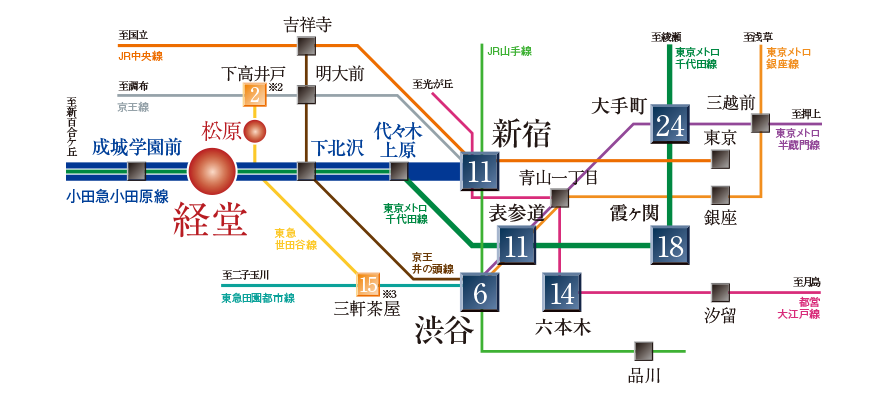
From an urban formation perspective, Kyodo has a critical supply-demand logic: historically, rapid population inflow and swift residential development produced a "labyrinthine" internal street and lot pattern (commonly referred to as the "Kyodo maze"). Such neighborhoods typically make large-scale, homogeneous new supply difficult, preserving the mature community scale and scarcity of existing housing. Coupled with the station elevation projects around the 2000s that improved north-south connectivity and station-front transport (roundabouts and bus links), Kyodo's commuting performance and accessibility were repriced, creating a firmer basis for medium- to long-term upward pressure on rents and prices. In short: the supply side is stock-biased and slow to renew; the demand side is supported by both students and families, a classic rental-market profile that resists vacancy and cycles.
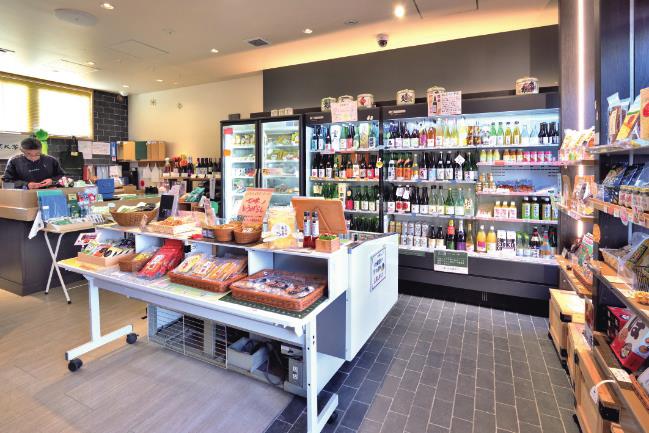
Interestingly, Shimada's proposed "Kyodo ecosystem theory" can be directly translated into investor terms: Kyodo's high-quality dining and commercial vitality are not accidental but driven by a cyclical loop of "university — workforce — supply chain — consumption — entrepreneurship/independence." Nearby universities continuously supply part-time labor and rental demand; the local fish and seafood wholesale network gives restaurants a stable supply advantage; Nodai's "Brewing Science" programs provide distinctive content for specialty beverage offerings. Even routines like "many shops closing collectively on Wednesdays" (reflecting market closures and reduced fresh fish supply) show merchants' shared commitment to quality and common rhythms — this visible community order raises resident stickiness and reduces turnover. On the asset side, that translates into higher rental stability, lower rent discounts, and stronger long-term value-for-money for ownership. My investment view is that Kyodo does not rely on a single explosive uplift; rather, it delivers steady returns through "ecosystem resilience + diversified demand structure." It is best positioned as a long-term residential / small multi-unit holding within Tokyo's inner area.
From a real estate investment perspective, changes in Kyodo's "ecosystem" imply several important signals:
Stable residential demand and rental market: Unlike areas driven primarily by short-term tourist rentals, Kyodo's long-term rental demand is dominated by students and families, which is relatively stable and more resilient to cycles.
Continued price appreciation potential: While land and price growth are not Tokyo's top-tier, the past decade has shown growth surpassing nearby averages, reflecting the preservation and appreciation potential of existing properties.
Community-driven soft-asset value: Neighborhood culture and everyday conveniences materially increase resident retention, helping sustain long-term occupancy and rent stability.
Against this backdrop, Kyodo is well positioned as a residential investment target that balances steady income and capital appreciation over the long term, particularly attractive to investors seeking low- to mid-risk residential exposure within Tokyo's inner suburbs.
Conclusion
Overall, Kyodo in Setagaya Ward offers a distinctive human-centered and lifestyle ecosystem and is shifting from a secondary option previously overshadowed by higher-end neighbors to a residential market with its own character and solid investment merits. Its steady land price performance, robust residential demand, and unique community ecology support long-term investment, making Kyodo a compelling choice for investors seeking quality residential opportunities outside the immediate Tokyo core. As with any residential investment, however, changes in community dynamics, population trends and rental movements remain key risk factors to monitor. Investors should combine this qualitative assessment with detailed supply-demand and migration data to empirically assess the area's sustainable attractiveness.
#TokyoRealEstate #SetagayaInvestment #KyodoResidentialMarket #HousingPriceTrends #RentalDemandAnalysis #ResidentialCommunity #UrbanHousingEcosystem #PropertyAllocation #StudentStreetInvestment #TokyoProperty #CommunityValue #LongTermInvestmentOpportunities
Copyright: This article is original content by the author. Please do not reproduce, copy, or quote without permission. For usage requests, please contact the author or this site.
Photos in this article: Seijo namikimichi 231 鋸香具師/CC BY-SA 4.0(トリミング) Wikimedia Commons·Kyodo-Sta-N Nyao148/CC BY 3.0(トリミング) Wikimedia Commons·小田急線「経堂」駅南口前 kcomiida/CC BY-SA 3.0(トリミング) Wikimedia Commons·世田谷区北沢 茶沢通り小田急線交差部 20260 Mikagekawase/CC BY 4.0(トリミング) Wikimedia Commons·Seijouniv2012 Seijokoho/CC BY-SA 3.0(トリミング) Wikimedia Commons