Words: 1366 | Estimated Reading Time: 7 minutes | Views: 105
In front of Shin-Kamagaya Station there are 1,300 new jobs, but hard data indicate the market had already priced that in.
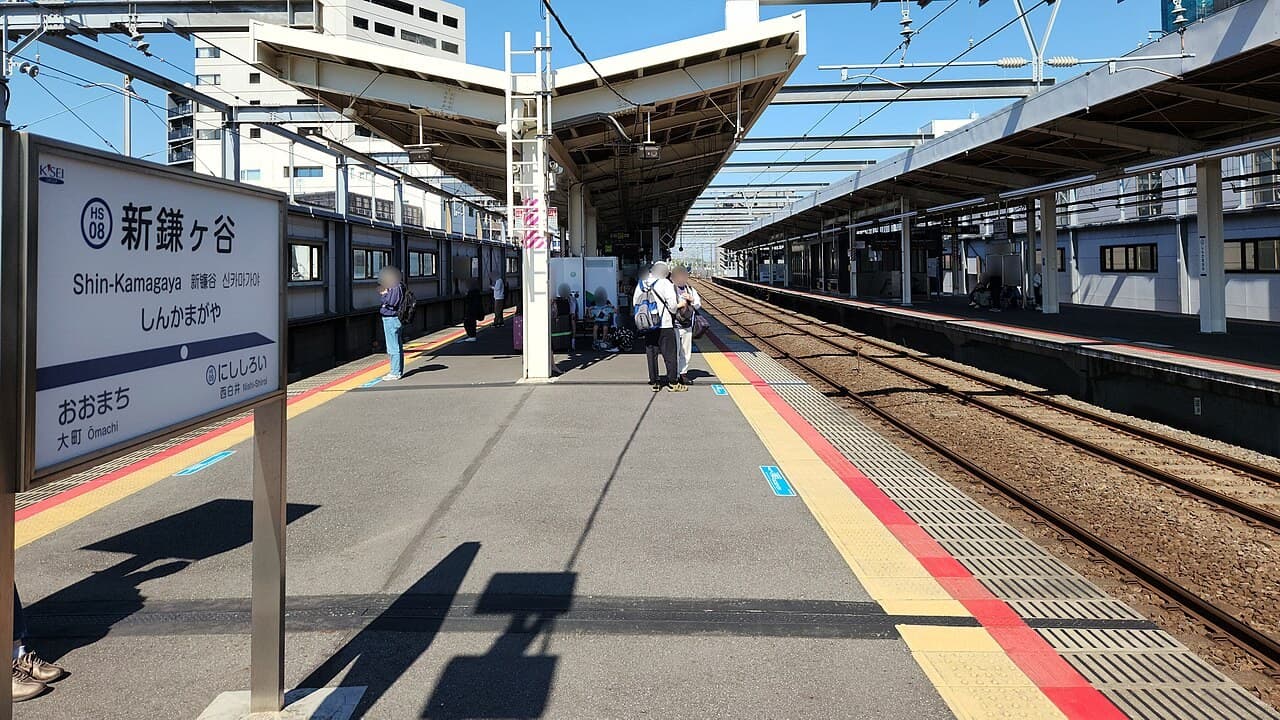
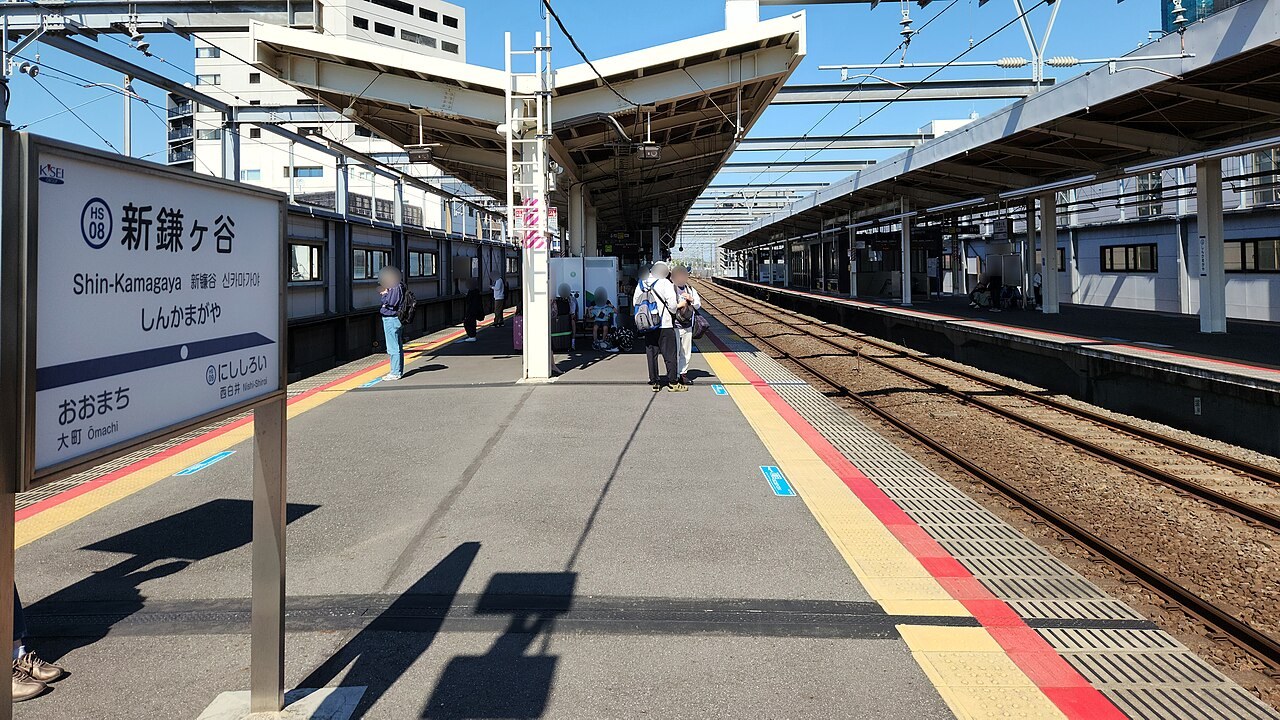
On September 10, 2026, Keisei Electric Railway opened the ekubo Keisei Shin-Kamagaya commercial facility in front of Shin-Kamagaya Station in Kamagaya City, Chiba Prefecture. On the same day, the north–south free passage connecting the station building and the south exit also entered service.
For an ordinary station on a commuter line, this would normally be news only local residents would notice.
Add one number disclosed by Kamagaya City and the nature of the story changes: the south side of the station is expected to generate about 1,300 additional employees. That means a station long treated as a “residential area plus interchange” is being injected with daytime population.
The rub is that when we pull actual listings for the same commuter tier on the Urbalytics platform, what we see is not a “value pocket,” but a curve that’s already been stretched.
The facts: three buildings, two fiscal years, and a rail line that was abandoned
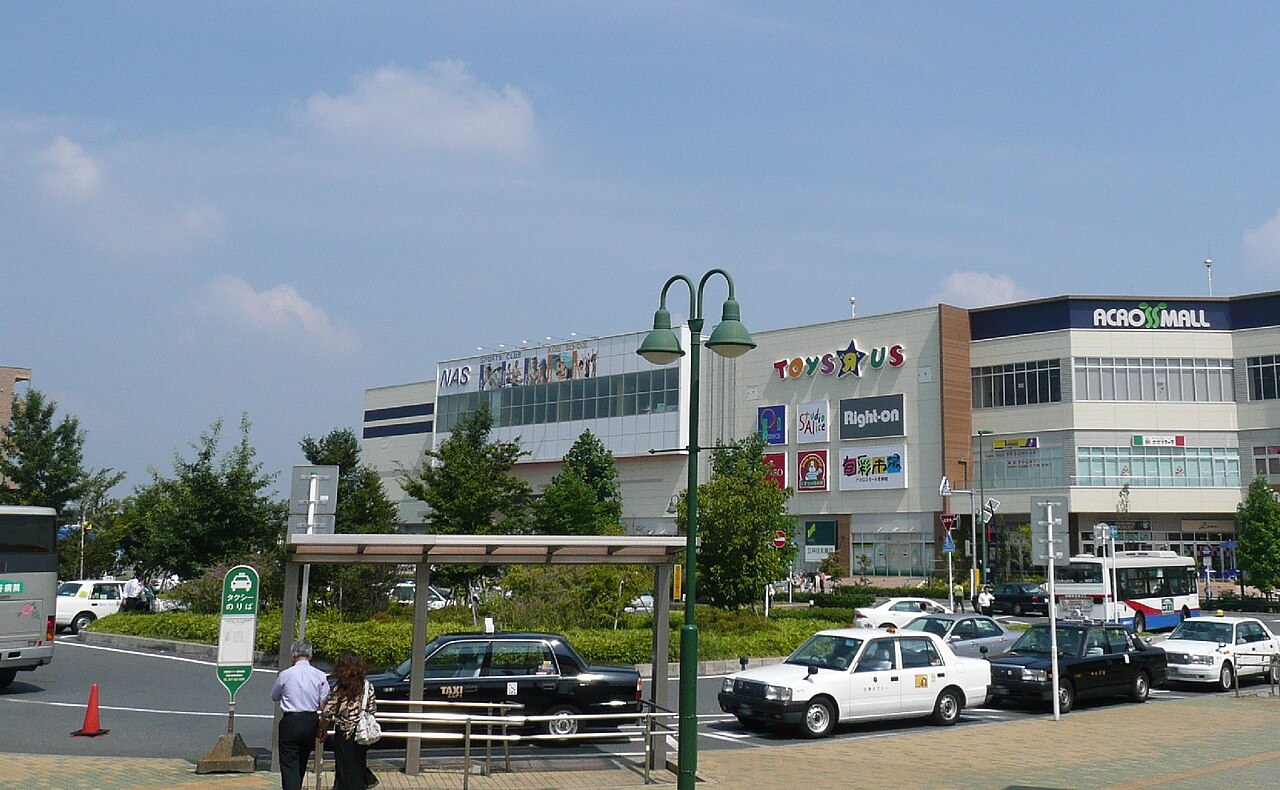
Let’s lay out the facts. The “ekubo Keisei Shin-Kamagaya” that Keisei opened on September 10 is at 1-12-3 Shin-Kamagaya, Kamagaya City; 6 floors above ground and 1 below. Floors 1–4 house food & beverage, drugstores, and an electronics big-box; floors 5–6 are offices.
That’s only step one. What will really shape the south side of the station are two business facilities to be completed over the next two fiscal years.
First, behind the station-front police box, Japan CO-OP Kyosai Consumers’ Co-operative Federation will build a 6-story core office with approx. 6,600 m² of floor area, owner-occupying floors 2–6, and planning to accommodate about 700 office workers, with opening targeted for FY2029.
Second, Keisei Electric Railway will build, in another block, a 6-story mixed retail-and-office facility of approx. 2,200 m², slated to open in FY2028.
Here is an easy-to-miss but critical detail: CO-OP Kyosai is not developing a for-lease office building; it is consolidating multiple Tokyo sites into an owner-occupied hub at Shin-Kamagaya.
The difference between owner-occupied and for-lease is a dividing line in investment judgment. A for-lease office’s occupancy depends on leasing and can sit vacant; owner-occupation means roughly 700 commuters are locked in the day it opens—there is no “built but no one comes.”
Institutional perspective: why this land sat idle until 2026
More important for investors to understand is the origin of these development sites.
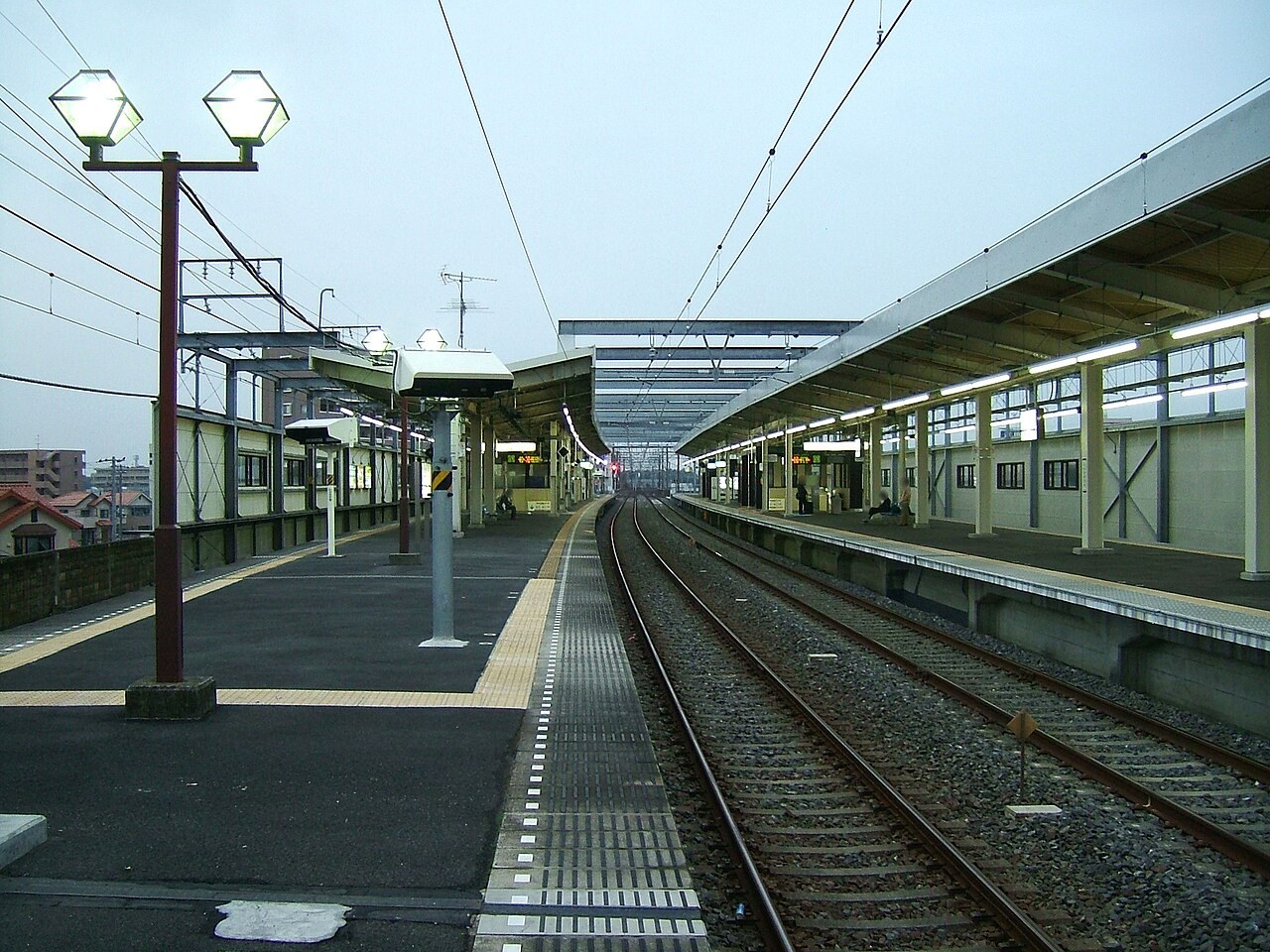
The contiguous prefectural land south of Shin-Kamagaya Station had been reserved for the “Tokyo Line 10 extension”—a rail plan to extend from the Toei Shinjuku Line direction via Shin-Kamagaya to Chiba New Town.
The line never materialized, but the land was frozen for decades as designated railway reserve. After 2023, Kamagaya City obtained two remaining prefectural plots on the south side, totaling about 2,460 m², and advanced land use on condition of job creation and an increase in daytime population.
In other words, this round of Shin-Kamagaya development supply is not market-driven demolition and rebuild, but a one-off release of non-replicable frozen land.
That determines two things:
First, supply is a cliff, not a continuum. Once this batch is used, comparable station-front tracts will not come to market again; subsequent increments hinge only on the roughly 35 ha concept west of the station, where neither developer nor start date has been fixed.
Second, the release cadence is set by government rather than by the market. The timetable is written into municipal plans; investors cannot speed it up or slow it down via price signals and must passively wait for FY2028 and FY2029.
What is truly scarce is not a new building, but a piece of station-front land that will never come again.
Data check: the market has already paid for the story
Back to the question investors care most about—are these developments already reflected in pricing?
Urbalytics data give a straightforward answer. In the Shin-Kamagaya station area, the median gross yield for whole-building income assets is about 5.88%, versus roughly 6.00% in Funabashi, 6.79% in Matsudo, and 7.04% in Kashiwa, all within the same northwest Chiba commuter belt.
In other words, despite being far smaller than Funabashi and Kashiwa, Shin-Kamagaya actually has the lowest yield among the four. Translated into price logic: for the same annual income, you need to put in roughly 20% more principal at Shin-Kamagaya.
Urbalytics Insight Urbalytics platform data: The median gross yield for whole-building assets in the Shin-Kamagaya station area is about 5.88% (sample n=3; indicative), lower than Funabashi 6.00%, Matsudo 6.79%, and Kashiwa 7.04%. In the same tier, asking rents for rental apartments rose from JPY 7,200/tsubo in 2026 Q1 to JPY 7,700/tsubo in Q3, a cumulative +6.9% over two quarters, yet average monthly rent per unit fell from JPY 105,300 to JPY 89,400—unit prices are rising while unit sizes are shrinking.
This divergence on the rent side warrants a note. Per-tsubo asking rents are rising, showing willingness to pay per area is improving; but total monthly rent is falling, indicating supply is skewing toward smaller units.
For investors planning to buy and hold a whole-building income property, that curve implies that rent growth is coming mainly from a change in unit mix rather than from substantive rent increases on existing stock.
How investors should read this news
Put the three layers above together and Shin-Kamagaya presents a classic “expectations realized, realization not yet complete” middle state.
The positives are real: a four-line interchange, roughly 120,000 daily transfer passengers, and about 1,300 jobs scheduled to go live in FY2028–2029. These are not visions on a masterplan; they are concrete projects with sponsors, floor area, and target fiscal years.
But prices are real, too. A 5.88% median gross yield shows the market has already discounted these expectations, leaving limited margin of safety for latecomers.
Accordingly, the real questions here are not whether to buy Shin-Kamagaya, but what to buy—and at which layer.
First, the station-front assets that benefit directly from a larger daytime population are worker-facing F&B, convenience, and small service formats—not aging residential whole-buildings on the periphery. The roughly 700 owner-occupied office commuters will generate predictable weekday lunchtime footfall; this demand has no measured data yet and should be tracked over the next 12–24 months.
Second, if the target is a residential whole-building, bake the structural shift in rents into your underwriting. Since incremental demand comes from commuting office workers rather than families, small-to-medium units will clear materially faster than large ones—something that headline gross yields at listing will not reveal.
Risk disclosure The Shin-Kamagaya whole-building median yield cited here is based on only three listings (n=3) and is indicative rather than representative of the full station-area distribution; expand the sample or cross-check with adjacent station areas for actual decisions. In addition, the 1,300 incremental employees figure is Kamagaya City’s estimate, and the FY2028–FY2029 opening dates are plan values subject to delay or scale changes; there are no public statistics yet on incremental footfall after the north–south passage opened, and early store-traffic data should not be extrapolated to long-term demand.
Conclusion
The real value of this Shin-Kamagaya story is not “another station-front redevelopment,” but how it illustrates a common evolution path in Japanese local station areas: land frozen for decades by a canceled rail plan is ultimately reinserted into the city as a mix of retail, residential, and offices.
For investors, the challenge is rarely whether the story is true, but whether it has already been fully priced. Shin-Kamagaya’s answer: the story is true, but pricing already stands near the story’s finish line.
Before making a decision, pulling Urbalytics’ yield distributions and rent-per-tsubo trends for the target station area will usually tell you more than reading ten redevelopment articles.
#ShinKamagaya #KamagayaCity #ChibaRealEstate #StationFrontRedevelopment #GreaterTokyoCommuterBelt #KeiseiElectricRailway #WholeBuildingIncomeProperty #GrossYield #JapanRealEstateInvestment #DaytimePopulation #OfficeConsolidation #RentPerTsubo #Urbalytics #CapitalRegionInvestment #HokusoLine
References
1. Kenbiya, 2026, 「千葉県鎌ヶ谷市・新鎌ケ谷駅前の複合施設が供用段階へ。今後、周辺エリアも含めた商業・業務機能集積で約1,300人の新規就業を見込む」, https://www.kenbiya.com/ar/ns/region/shutoken/10524.html
2. Keisei Electric Railway, 2026, 「新鎌ヶ谷駅前商業施設『ekubo京成 新鎌ケ谷』2026年9月10日オープン」(press release PDF), https://www.keisei.co.jp/
3. Impress Watch, 2025, 「千葉・新鎌ケ谷駅に6階建ての飲食店やオフィス 28年開業」, https://www.watch.impress.co.jp/
4. Kamagaya City, 2026, 新鎌ケ谷駅南側 県有地の土地利用に関する公表資料, https://www.city.kamagaya.chiba.jp/
5. Urbalytics platform data (whole-building gross yield statistics; rental asking rent per tsubo trends, as of September 2026), https://www.urbalytics.jp/
Copyright: This article is original content by the author. Please do not reproduce, copy, or quote without permission. For usage requests, please contact the author or this site.