Words: 1721 | Estimated Reading Time: 9 minutes | Views: 176
Controls on important land are set to upgrade from a filing regime to a prior approval system, but for Tokyo condominium investors the more practical variable is the proposal’s explicit call for tax measures targeting short-term resales.
On September 24, 2026, the LDP Headquarters for Foreigners Policy (Director: Yoshitaka Shindo) compiled a proposal to the government. Headlines that day largely focused on a “land acquisition permit system,” making it look like a national security document.
But if you read only the first half, it’s easy to miss a line in the second half that directly touches the Tokyo condo market: the proposal links surging urban condo prices to concerns about “acquisitions for speculative purposes,” and calls for anti-speculation measures including tax policy.
That same day, Tokyo Kantei released August data showing the average listing price for existing condos in Tokyo (70 m² equivalent) fell 0.2% month on month—the first decline in 28 months. A policy tightening signal has arrived just as the market itself is cooling.
1) What the proposal says: Security and housing prices are two different tracks
Let’s break it down. According to FNN, Mainichi Shimbun, and TV Asahi (ANN), the main axis is to amend the current “Important Land, etc. Investigation Act,” with an aim to legislate during the extraordinary Diet session convening on October 5.
The first track is national security. The proposal notes that new threats such as drones and AI are increasing, and land around defense facilities may become points of vulnerability. Hence the shift from “managing after acquisition” to “screening before acquisition.”
The second track is residential prices. It states that concern about urban residential real estate being acquired for speculative purposes has become “a source of anxiety for local residents.” After citing overseas examples such as time-limited restrictions on foreign home purchases, it calls for prompt measures, including tax policy, to curb speculative trading.
The targets, tools, and intensity of the two tracks are entirely different. The former addresses ownership transfers in designated zones; the latter addresses trading behavior itself. Conflating the two is the most common misread in Chinese-language discussions over the past two days.
2) How a permit regime would operate: Who gets blocked, who just faces another step
The Important Land, etc. Investigation Act took full effect in 2022, designating areas within roughly 1 km of important facilities and remote border islands as “monitoring zones” and “special monitoring zones.” In special monitoring zones, the sale of land/buildings of 200 m² or more requires prior notification—essentially an information-gathering system.
The proposal now is to upgrade notification to permitting. As summarized by Mainichi Shimbun, key points include:
First, within designated zones, regardless of nationality, all ownership transfers would require a prior permit application—Japanese buyers included.
Second, foreign governments and related entities, foreign military personnel, and those obligated to assist foreign governments would, in principle, not be granted permits.
Third, ownership transfers executed without a permit would have their registration deemed invalid; leases would also require filing, with new penalties established.
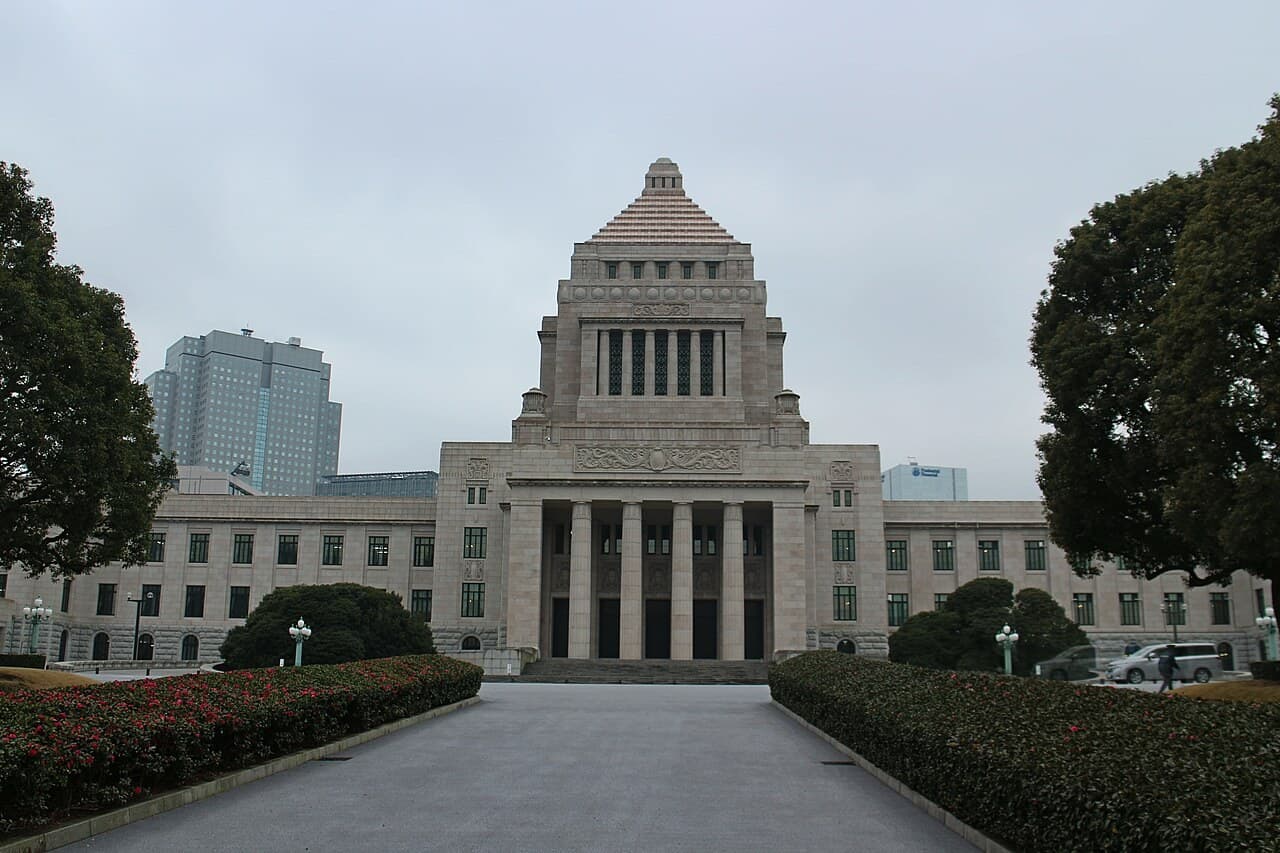
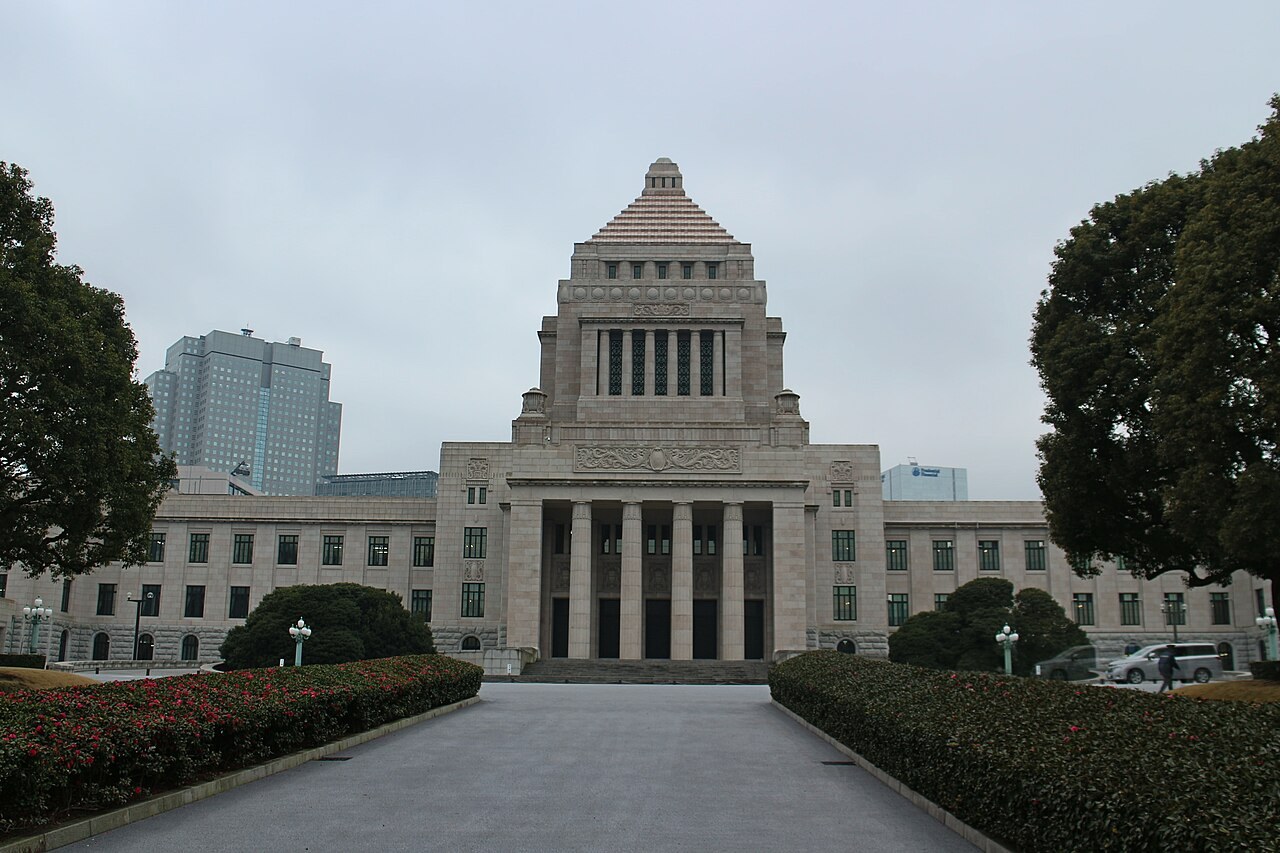
Fourth, the proposal suggests newly adding the Imperial Palace, the National Diet Building, and the Prime Minister’s Office as “important facilities.” For Tokyo investors, this point is more concrete than the previous three.
Director Shindo also emphasized that even if the nominal buyer is Japanese, there may be foreign corporations or capital behind the transaction, so the ultimate beneficial owner must be identified. This implies that “holding via a Japanese corporation to skirt rules” may no longer work.
3) The 1 km around the Imperial Palace happens to be among Tokyo’s priciest residential areas
If the Imperial Palace, the Diet, and the Prime Minister’s Office are designated as important facilities and the “~1 km radius” convention is applied, Chiyoda’s Bancho, Kojimachi, and Kudan, along with Nagatacho and Akasaka, could all fall within scope. The exact boundaries await the bill and zone designations; for now, we can only discuss direction.
This area occupies a unique position in Tokyo’s residential market. Using Urbalytics’ listing and rental data, we compare four stations—Kojimachi, Hanzomon, Kudanshita, and Akasaka—against Shibuya and Ojima in Koto Ward.
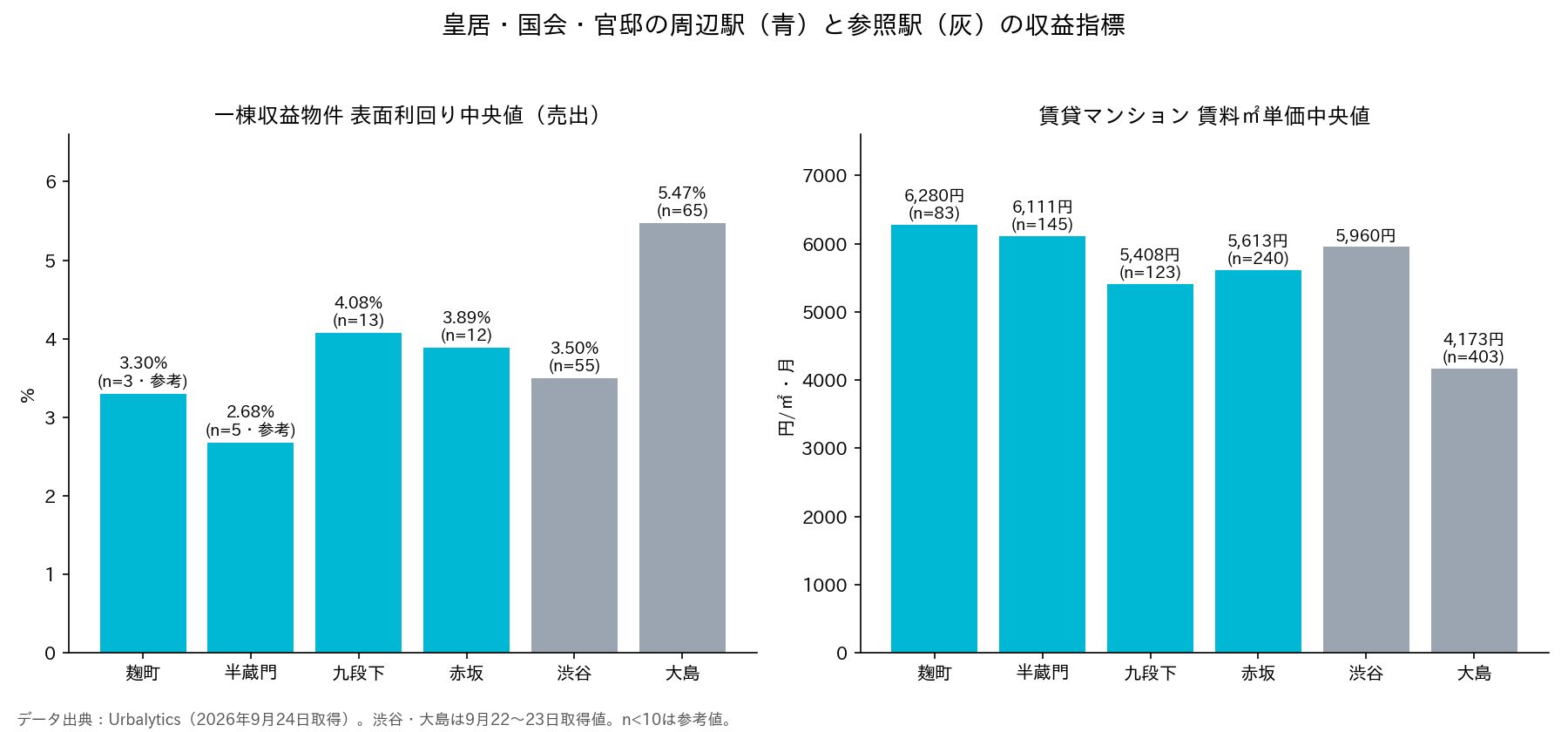
Rents tell the story best. At Kojimachi Station, the median condo asking rent is about JPY 6,280 per m² (n=83), and Hanzomon is about JPY 6,111 (n=145), both above Shibuya’s ~JPY 5,960. Kudanshita and Akasaka are also in the JPY 5,400–5,600 range.
Yields paint a different picture. At Kudanshita, the median listed yield for whole-building income properties is 4.08% (n=13); Akasaka, 3.89% (n=12). Kojimachi and Hanzomon have only 3 and 5 samples, with medians of 3.30% and 2.68%, so treat as references.
Urbalytics Insight The four stations around the Imperial Palace have higher rent unit prices than Shibuya, but whole-building yields are mostly below 4%, about 1.5–2.5 percentage points lower than Ojima in eastern Tokyo. This is a market that values scarcity, not cash flow.
In other words, buyers here were never chasing high yields; they value the location’s irreplaceability and long-term value retention. What a permit regime brings is not a direct price shock but the risk of a liquidity discount: if the buyer pool shrinks, time to exit may lengthen.
Investors can continue to track listings and yields for this area in Urbalytics’ [Chiyoda Ward Whole-Building Income Properties Market Report](https://www.urbalytics.jp/market/area/tokyo/chiyoda-ku/building) and [Minato Ward Market Report](https://www.urbalytics.jp/market/area/tokyo/minato-ku/building).
4) The measure with broader impact is the tax on “short-term resales”
Compared with a permit regime that covers only specific zones, once tax measures are implemented they will affect condo transactions across Tokyo. ANN summarizes this section as tax tools to curb speculative condo trades such as “short-term resales.”
Under current rules, when individuals transfer real estate, holdings over five years are taxed at long-term rates, while holdings of five years or less face higher short-term rates. The proposal offers no specifics, but given the wording “short-term resales,” adding an extra layer on top of existing short-term rates is among the most likely directions. Precise rates and holding periods will be set in the coming annual tax reform discussions.
Overseas references are also cited. As Mainichi notes, Canada has prohibited non-Canadians from purchasing homes in metropolitan areas since January 2023, a ban now extended to January 1, 2027. However, judging from the proposal’s language, Japan is calling for tax measures and better fact-finding—not an outright ban on foreign home purchases.
Note of caution The proposal is merely a request from the ruling party to the government; it is not the bill itself. From proposal to bill, then to zone designations and tax amendments, each step could change. Current market claims that “foreigners will be unable to buy homes” lack a factual basis.
5) Different investor types will be affected differently
Translating the above into action, investors broadly fall into the following categories:
First, long-term individual investors. If you owner-occupy or rent out in ordinary residential areas of Tokyo and hold for more than five years, short-term resale tax measures have little impact; just monitor whether your assets fall into new permit zones.
Second, short-term investors focused on flipping. This is the group most directly targeted; if the tax burden rises, models assuming exit within two to three years must be recalculated, especially for waterfront towers and newly built core-city assets that have relied on resale spreads.
Third, investors holding via Japanese corporations. Once identification of the ultimate beneficial owner is institutionalized, a corporate name no longer equals invisibility; prepare compliance documentation on ownership structure and funding sources in advance.
Fourth, investors holding or planning to buy around the Imperial Palace, the Diet, or the Prime Minister’s Office. Your exit may require an additional permit step; build buyer review time and uncertainty into the exit plan.
Risk notice In Kojimachi and Hanzomon, whole-building listing samples are fewer than 10; yields are for reference only. The scope of permit zones and the details of tax measures are not yet determined; the impact analysis here is directional.
Conclusion: Policy is tightening, but the market is cooling first
Viewed together, today’s two news items reveal a notable timing gap: existing condo prices in Tokyo’s central six wards have slipped modestly for four consecutive months from the April peak, and the 23 wards are down for three straight months, while policy discussions on curbing speculation are only just beginning.
This implies that by the time tax measures take effect, some speculative froth may already have been squeezed out by price adjustments. For long-term investors, that may not be a negative: the clearer the rules, and the more prices return to levels supported by rents and end-user demand, the stronger the case for steady hold strategies.
Three milestones to watch next: the bill text at the October extraordinary Diet session; the geographic scope of “important facility” designations; and the year-end tax reform outline’s provisions on short-term transfers. Until then, rather than follow headlines, use Urbalytics’ area data to pin down the yields and liquidity of your holdings.
#LDPProposal #ImportantLandInvestigationAct #PriorApprovalSystem #ForeignHomePurchases #ShortTermResaleTax #TokyoCondos #ChiyodaWard #Kojimachi #Bancho #Akasaka #JapanRealEstateInvestment #Yield #TokyoKantei #JapanHousingPolicy #Urbalytics
References
- FNN Prime Online (via Yahoo! News), “LDP Headquarters for Foreigners Policy calls for introducing a ‘permit system’ for land acquisition around important facilities; also references condos acquired for ‘speculative purposes’,” 2026, https://news.yahoo.co.jp/articles/b0769791488845c78fa95d325f5af4e2b1b8ec63
- Mainichi Shimbun (via Yahoo! News), “LDP proposes introducing a ‘permit system’ for acquisition of land important to national security,” 2026, https://news.yahoo.co.jp/articles/44e46a6699a50585617d7b0d106418763fa45fa6
- TV Asahi (ANN) (via Yahoo! News), “LDP proposes stronger regulation of foreign land acquisition to address drone threats,” 2026, https://news.yahoo.co.jp/articles/f97d292ff922785dfb90702ed2c9f60e95bf7d9c
- Asahi Shimbun (via Yahoo! News), “Tokyo’s used condo prices see ‘first decline in 28 months’—a turn in the city center,” 2026, https://news.yahoo.co.jp/articles/99d5dc4f7015a8ec2ad0b68cbba454a0126adf7d
- Cabinet Office, “Important Land, etc. Investigation Act,” 2026, https://www.cao.go.jp/tochi-chosa/
- CMHC, “Prohibition on the Purchase of Residential Property by Non-Canadians Act,” 2024, https://www.cmhc-schl.gc.ca/professionals/housing-markets-data-and-research/housing-research/consultations/prohibition-purchase-residential-property-non-canadians-act
- CIC News, “Canada extends foreign home buyer ban until 2027,” 2024, https://www.cicnews.com/2024/02/canada-extends-foreign-home-buyer-ban-until-2027-0242824.html
- Urbalytics Market Report: Chiyoda Ward – Whole-Building Income Properties, 2026, https://www.urbalytics.jp/market/area/tokyo/chiyoda-ku/building
- Urbalytics Market Report: Minato Ward – Whole-Building Income Properties, 2026, https://www.urbalytics.jp/market/area/tokyo/minato-ku/building
Copyright: This article is original content by the author. Please do not reproduce, copy, or quote without permission. For usage requests, please contact the author or this site.