Words: 1373 | Estimated Reading Time: 7 minutes | Views: 2858
Lead: As a typical commuter bedroom town along the Seibu Ikebukuro Line, Higashi-Kurume has long attracted the end-demand market thanks to its 30-minute direct commute to Ikebukuro and affordable land prices. The dual initiatives of the station's west exit redevelopment and activation of Tezuka Osamu IP are rewriting the town’s investment logic — its composite value of "low price + commute + IP" warrants in-depth analysis by professional investors.
1. From Commuter Bedroom Town to IP Breakthrough — Higashi-Kurume’s Development Trajectory
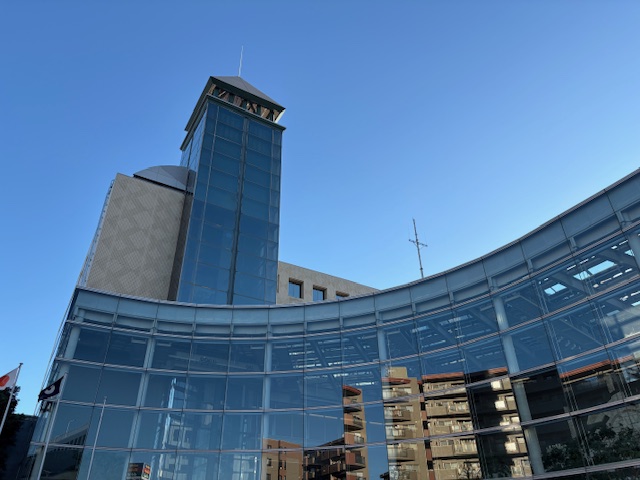
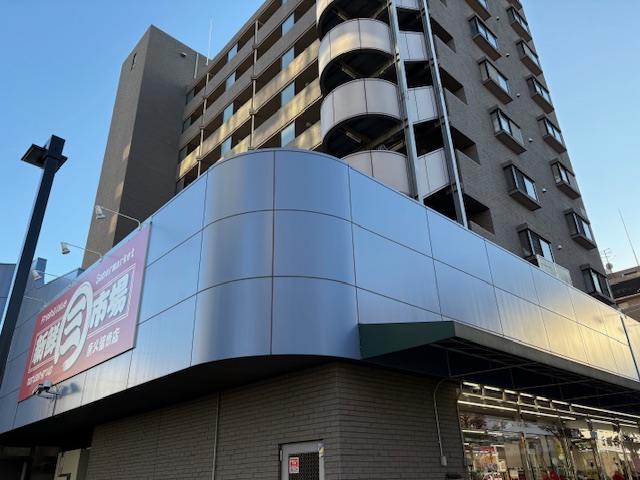
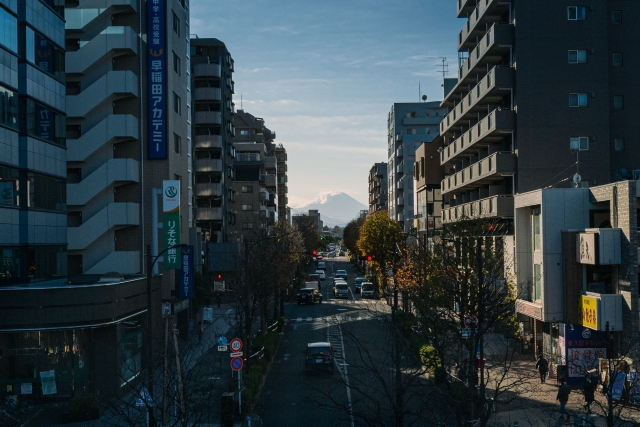
Higashi-Kurume’s development has always been tied to the commuting value of the Seibu Ikebukuro Line. The city’s evolution clearly follows the path of "transport-driven → concentration of rigid demand → improved amenities → IP-led breakthrough". After World War II Japan’s economy entered a high-growth period and population spilled out from central Tokyo; the Seibu Ikebukuro Line connection gave this town, only 30 minutes from Ikebukuro, its first wave of development opportunity. Leveraging good site conditions and affordable land, Higashi-Kurume gradually formed a commuter-dominated bedroom town pattern. High-frequency trains during peak hours — 17 services at 7:00 and 15 at 8:00 — plus eight hourly daytime stops have reinforced commuting advantages. The arrival of daily-life retail such as Ito Yokado and AEON shopping centers upgraded the area from a pure residential zone to a mature community offering livability + convenience, attracting many young families aged 25–44. Into the 21st century, falling birth rates, an aging population and redevelopment pressures in central Tokyo caused a decline in local vitality. The Fujimi Terrace, built in 1994 and once a nationwide photo spot for views of Mount Fuji, was demolished after a 2020 inspection found inadequate seismic performance; losing this landmark cost the town a key cultural-tourism asset. A city renewal plan that leverages transport foundations to activate a cultural IP has become the core strategy for breaking through Higashi-Kurume’s development bottleneck.
2. Land Price Depression and a Stable Rental Market
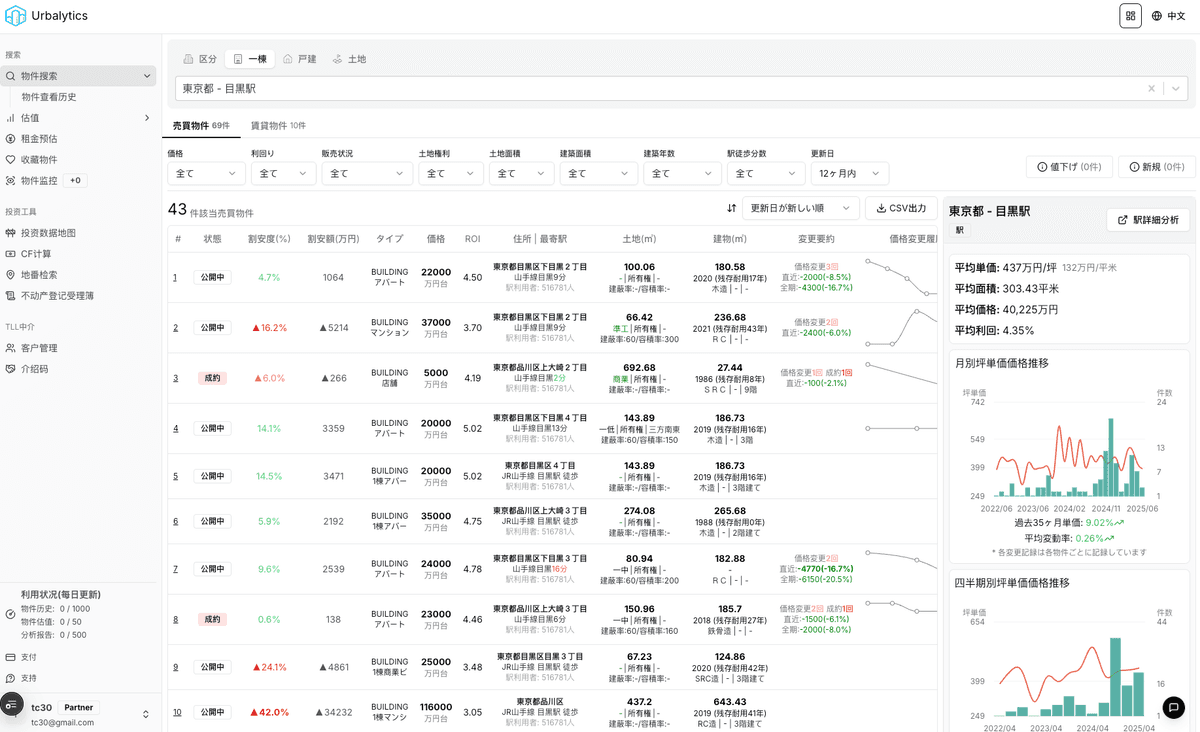
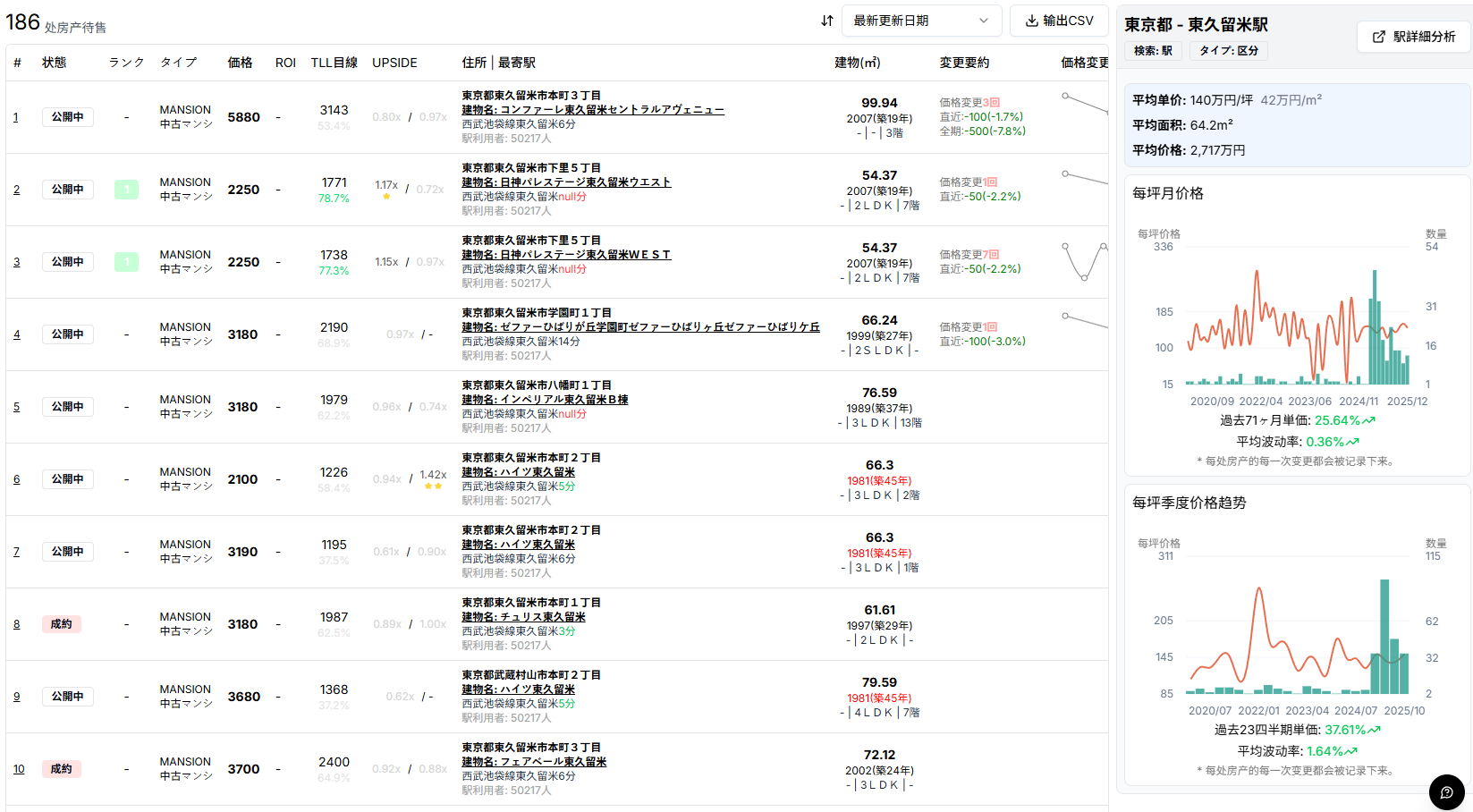
According to Urbalytics monitoring data, Higashi-Kurume’s real estate market shows the core characteristics of "rigid demand dominance, price depression, and stable demand." Near Higashi-Kurume Station the average asking price for secondhand condominiums on sale is ¥1.4 million per tsubo; over the past 71 months the price per tsubo has risen 25.64%, though some listings have undergone price reductions and many properties for sale are older, built around 2007 or earlier.
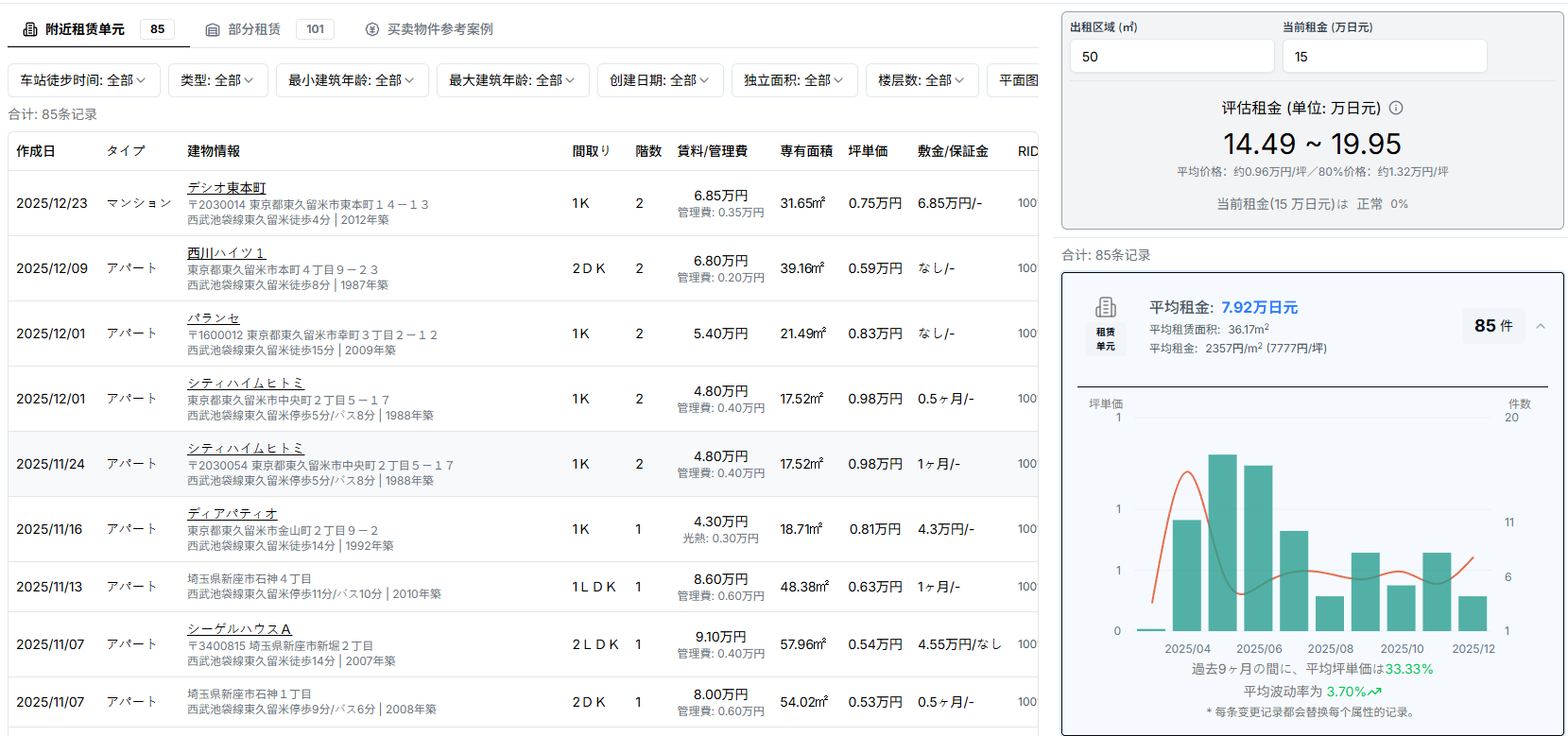
Also, Urbalytics rental data for the area show that Higashi-Kurume’s 85 rental units average ¥79,200 per month, and the per-tsubo rent has risen 33.33% over the past nine months. However, listing building ages vary widely (1987–2012) and 1K layouts are predominant. Currently, a ¥150,000 monthly rent sits within the normal evaluation range. Rental investment must balance price growth with property age and layout market fit.
3. Dual Engines: Fujimi Terrace Reconstruction and Tezuka IP Activation
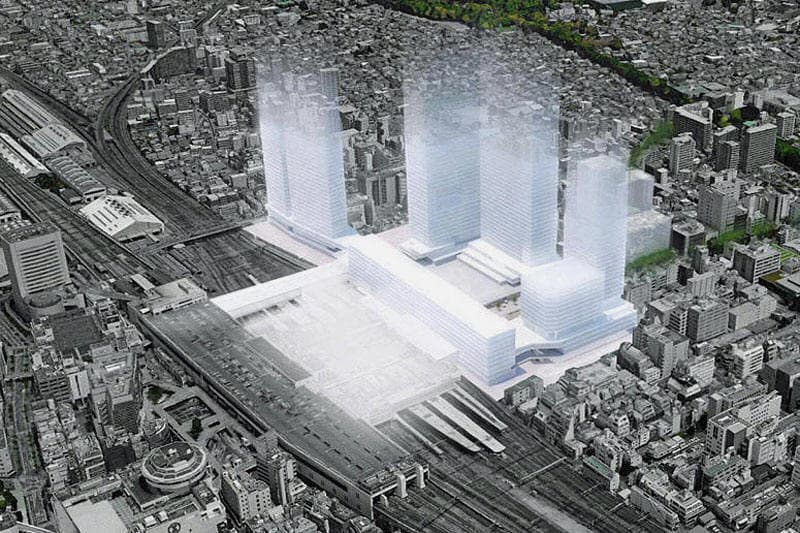
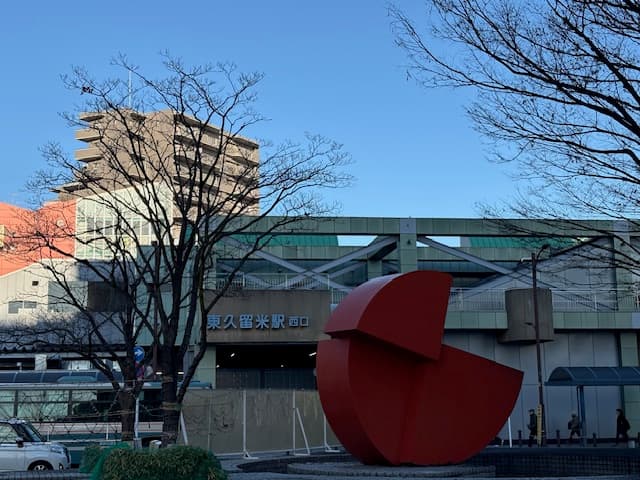
On October 30, 2023, Higashi-Kurume Mayor Ryoma Tomita officially announced the west exit redevelopment plan, targeting fiscal 2031 and launching a multidimensional renewal covering infrastructure, cultural IP, and public amenities.
The core works include two major components:
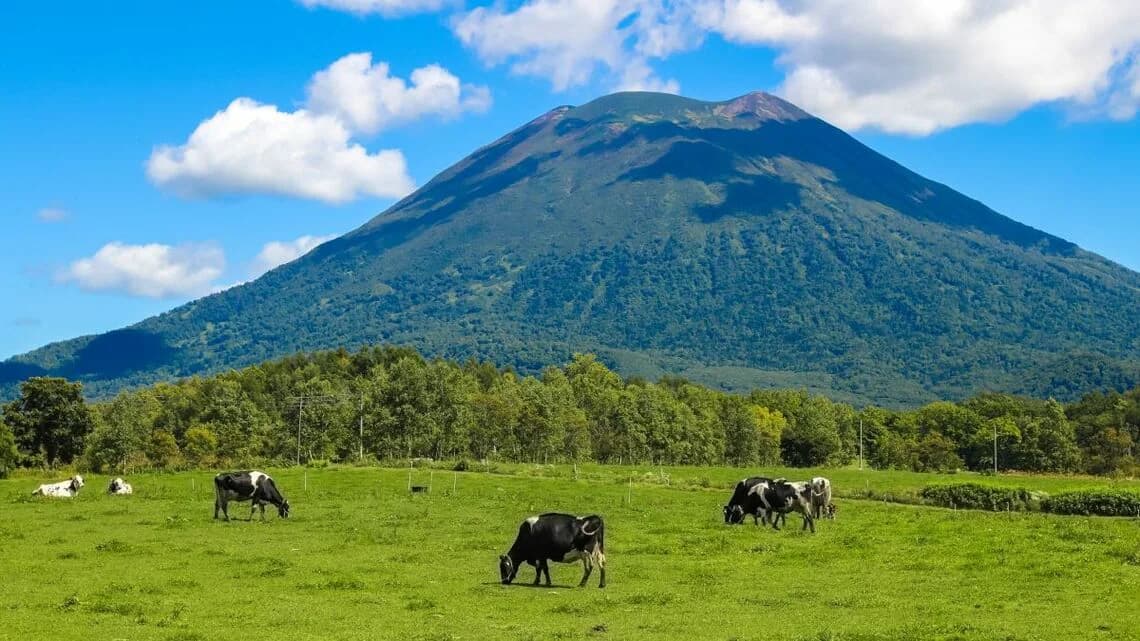
First, functional reconstruction of the Fujimi Terrace. Built in 1994 and once a nationwide photo destination because of its Mount Fuji views, the structure was demolished after seismic and construction deficiencies were discovered in 2020. The plan calls for rebuilding a station-linked pedestrian promenade with equivalent viewing function and adding an accessible general passenger boarding area, comprehensively improving circulation efficiency and the surrounding experience.
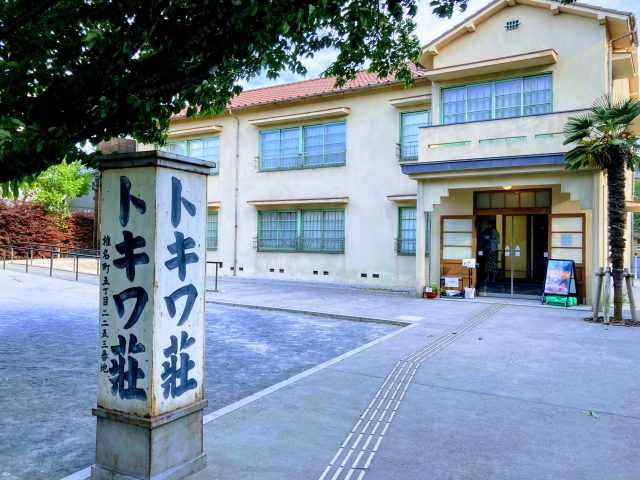
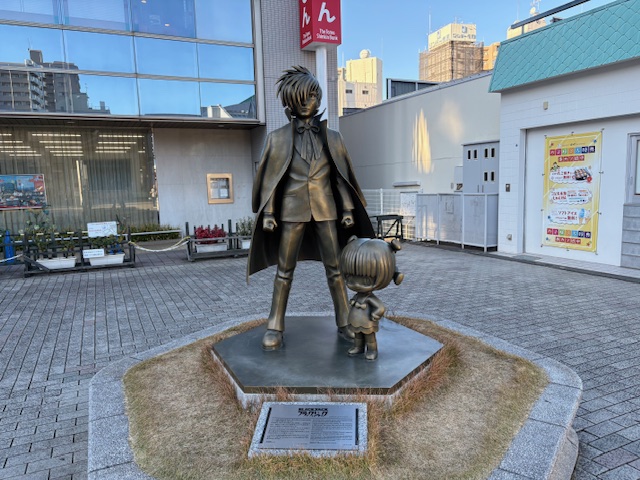
Second, deep activation of the Tezuka Osamu IP. In September 2023 the city signed a memorandum of understanding with Tezuka Productions to start consultations on utilizing Tezuka Osamu’s former residence — the "god of manga" spent his last ten years in Higashi-Kurume. The city planning office said it will first complete seismic inspections of the building, then, together with Tezuka Productions and the Tezuka family’s intentions, consider options such as a memorial museum or preserving the residence. If progress goes smoothly, this could form a "manga culture corridor" with Tokiwa-so in Toshima Ward along the same line.
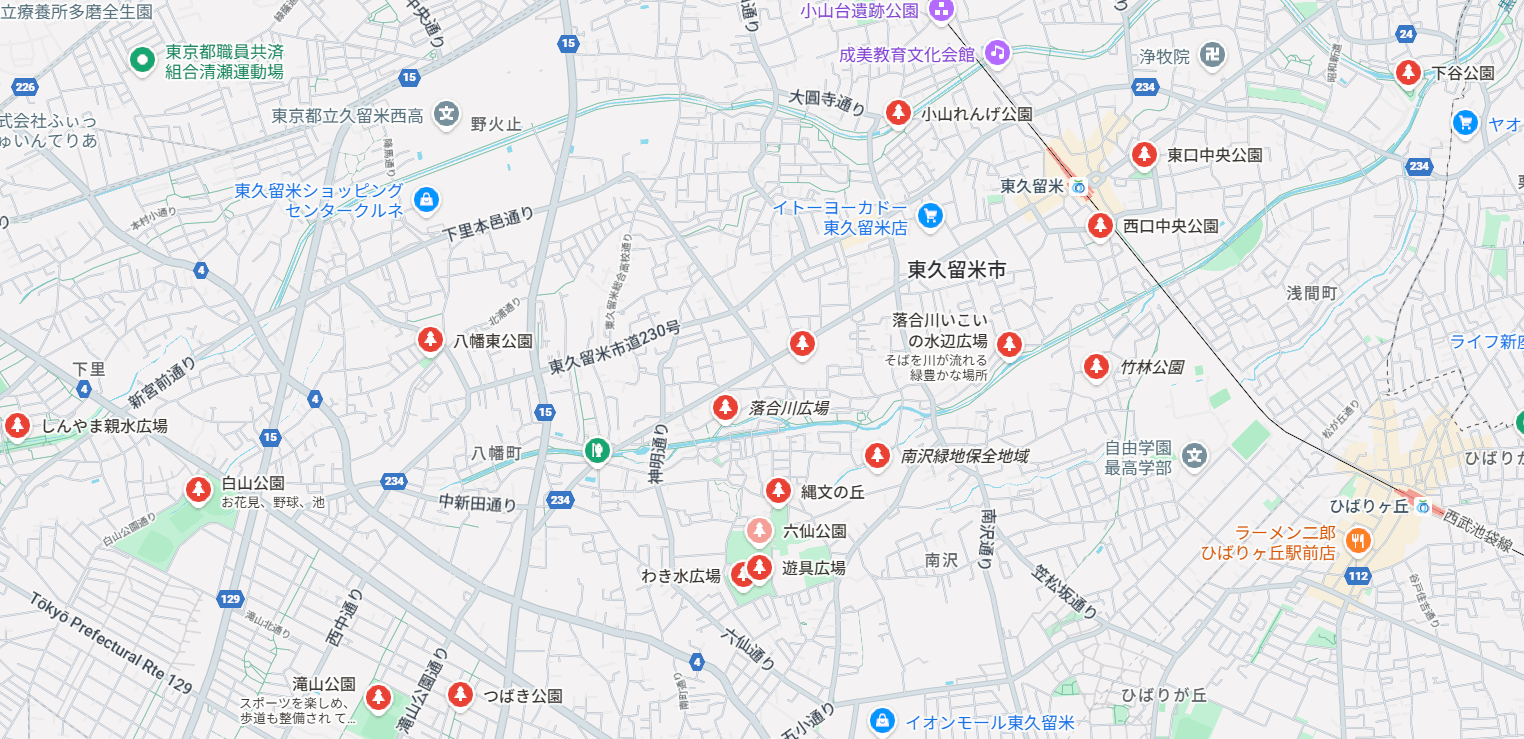
Supporting upgrades are proceeding in parallel: the renovation of Rokusen Park in the city was completed in November 2025; the bread-themed Komugi Square has been well received by families with children. The city is also exploring a park PFI model and studying the establishment of a new type of Michi-no-Eki adapted to suburban characteristics, borrowing the combined "retail + leisure" model of roadside stations around Tokyo to strengthen regional attractiveness.
4. Reconfiguring Investment Value: Short- and Long-Term Impacts of the Renewal Plan
The renewal plan will reshape Higashi-Kurume’s real estate investment logic from both short-term expectations and long-term value perspectives.
In the short term, the main effects center on market sentiment and localized demand stimulation — the clear plan to upgrade west-exit infrastructure meaningfully improves the bargaining power of quality rental units; expectations around Tezuka Osamu IP activation have also attracted some small-scale guesthouse investors, especially increasing interest in low-ticket-price commercial units near the station that have renovation potential.
In the long term, value appreciation is likely to be released in stages:
First stage: infrastructure dividend — once accessibility improvements and the new boarding area are in place, commuting convenience for station-area properties will be further strengthened, significantly narrowing the price gap with more popular areas on the same line;
Second stage: IP-empowerment dividend — if a Tezuka Osamu memorial museum is realized, it will drive cultural-tourism traffic and create demand for specialty shops and related retail. Around Tokiwa-so in Toshima Ward, cultural IP has lifted commercial rents by roughly 15%–20%;
Third stage: demographic optimization dividend — as public amenities improve and IP appeal grows, family inflows will boost demand for upgrade housing, and rents and prices for 2LDK and larger units could outperform the regional average.
Conclusion: Investment Positioning, Opportunities, Risks and Outlook
Overall, Higashi-Kurume’s investment positioning is clear — suited for long-term buy-and-hold investors focused on Tokyo-area commuter bedroom towns seeking steady returns, as well as specialist investors who can identify niche asset opportunities.
The core opportunities concentrate on three areas:
1. Depressed price advantage — current land and housing prices are substantially lower than competing areas on the same line, leaving room for valuation recovery;
2. Renewal dividends — station redevelopment and IP activation will continue to raise area value, especially for primary-demand residences and small commercial properties within a 10-minute radius of the station, which have strong appreciation potential;
3. Demand support — the irreplaceable 30-minute direct commute to Ikebukuro underpins stable rental demand and resilience to market volatility.
Risks should not be overlooked:
First, project execution risk — uncertainties in the Fujimi Terrace rebuild schedule and progress on activating Tezuka’s former residence may affect investment return timelines;
Second, IP-dependence risk — a single cultural IP has limited pulling power and value may revert after speculative hype;
Third, regulatory and quality risk — the seismic issues of Fujimi Terrace remind investors to focus on structural defects in older buildings. Learning from the 2022 Sekisui Housing seismic structure falsification case, strengthen due diligence on target properties.
As suburban Tokyo markets further differentiate, if Higashi-Kurume’s renewal plans are successfully implemented it could upgrade from an "ordinary commuter bedroom town" to a distinctive town driven by "IP + commute," further highlighting its investment value.
【Source: Tokyo Shimbun, 2023, https://www.tokyonimbum.co.jp/article/6654297】
【Source: Ministry of Land, Infrastructure, Transport and Tourism (Japan), 2022, https://www.mlit.go.jp/jutakukentiku/earthquake/】
【Source: Asahi Shimbun, 2022, https://www.asahi.com/articles/ASR5S5L8DR5SULFA00Z.html】 (related to the Sekisui housing seismic issue)
【Source: Higashi-Kurume City Hall, 2023, https://www.city.higashikurume.tokyo.jp/】
【Source: Tezuka Productions official site, 2023, https://www.tezuka.co.jp/】
【Source: Tokyo Shimbun, 2023, https://www.tokyonimbum.co.jp/article/6654297】
【Source: Ministry of Land, Infrastructure, Transport and Tourism (Japan), 2022, https://www.mlit.go.jp/jutakukentiku/earthquake/】
【Source: Asahi Shimbun, 2022, https://www.asahi.com/articles/ASR5S5L8DR5SULFA00Z.html】 (related to the Sekisui housing seismic issue)
【Source: Higashi-Kurume City Hall, 2023, https://www.city.higashikurume.tokyo.jp/】
#TokyoRealEstate #HigashiKurumeCity #RedevelopmentInvestment #JapanPropertyRisks #SeismicStandards #TezukaOsamuIP #CommuterTownMarket #PFIModel #SekisuiHousingCase #RentalDemand #StationEconomy #CulturalTourismRealEstate #JapanBuildingRegulation #LocalUrbanRevitalization #TokyoRingProperty