Words: 1315 | Estimated Reading Time: 7 minutes | Views: 1232
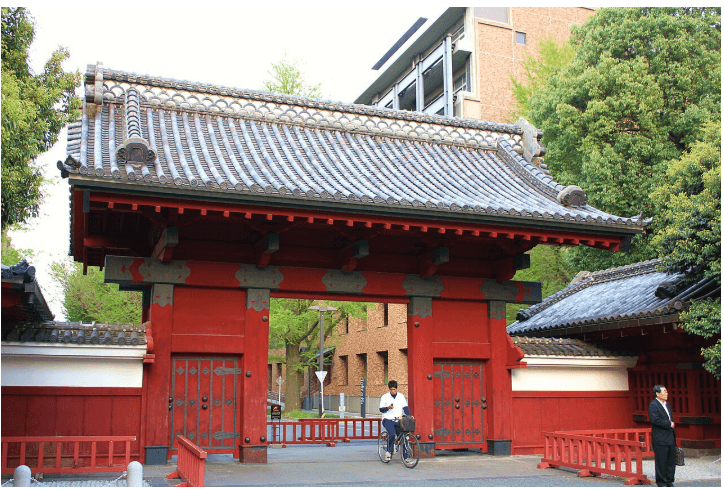
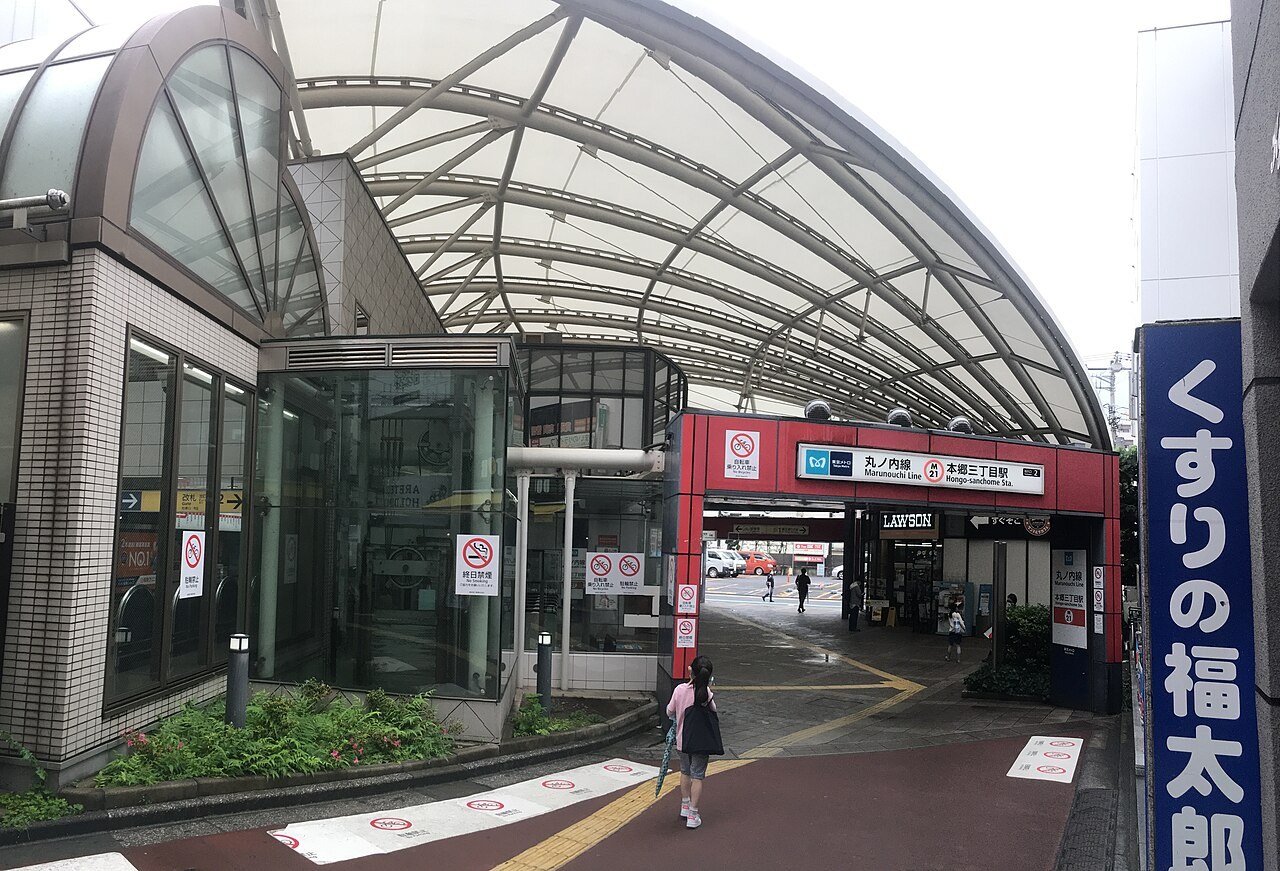
If you get off at Hongo-sanchome on the Tokyo Metro Marunouchi Line, you may hear more Mandarin along the way than you expect. This isn’t Shin-Okubo or Ikebukuro—it’s Bunkyo Ward, one of Tokyo’s most traditional education-focused districts and home to the University of Tokyo, Ochanomizu University, Chuo University, and other elite schools. Over the past two decades, the resident foreign population here has risen from 6,506 to 15,923, while the share of Chinese nationals climbed from 35.6% to 54.4%. In other words, more than half of the foreigners you meet on the streets of Bunkyo today are Chinese. More noteworthy for investors is a knock-on effect: this influx of predominantly high–human-capital Chinese households is deploying real capital to push prices of existing condominiums in the most sought-after school catchments to new highs.
Academic DNA and the influx of Chinese elite families
Bunkyo’s academic DNA runs deep. In addition to the University of Tokyo, the ward hosts Ochanomizu University, Tokyo Science University (formerly Tokyo Medical and Dental University), Juntendo University, Chuo University, Toyo University, and more. Affiliated secondary schools such as Tsukuba University Junior & Senior High at Komaba, Oin, and Koishikawa Secondary Education School have long topped the rankings for University of Tokyo admissions. This dense concentration of education assets has historically kept Bunkyo’s home prices outperforming central Tokyo averages. What truly changed the game in recent years is the large-scale arrival of Chinese elite families—often IT founders and corporate executives—who are relocating with spouses and children specifically for schooling. They are not the restaurateurs or convenience-store operators of old stereotypes; they are high-net-worth households intent on education. Statistics show that Chinese residents in Bunkyo increased by roughly 3,000 between 2022 and 2024—almost 60% growth, among the fastest within Tokyo’s central six wards; over the same period, the number of foreign children enrolled in the ward’s public elementary schools rose from 389 in 2023 to 467 in 2024.
Data-driven capital flows: rents and price per tsubo both rising
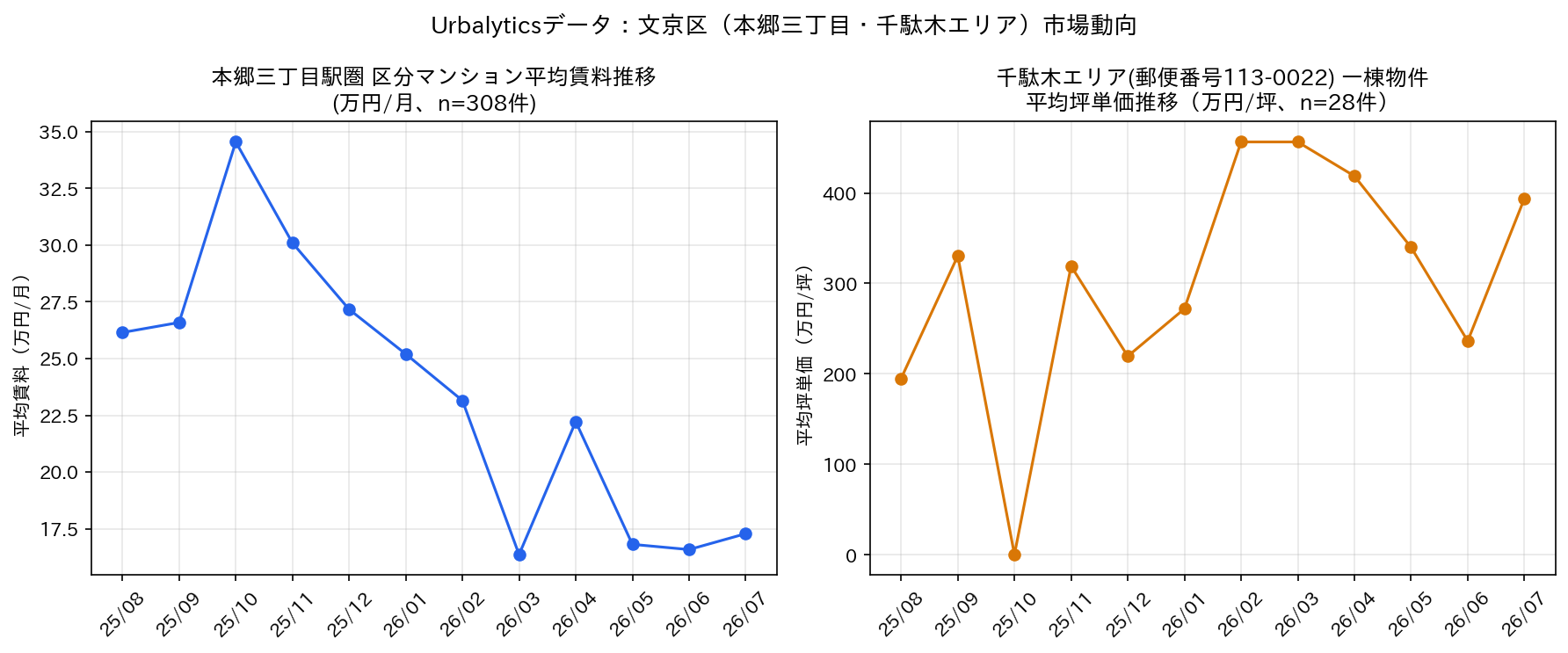
This education-driven demand shows up directly in the numbers. According to Urbalytics, in the rental market for condominium units centered on Hongo-sanchome (the main gate area of the University of Tokyo), there were 308 samples over the past 11 months, with an average monthly rent of about JPY 190,900 and an average exclusive area of 35.4 square meters—equating to roughly JPY 5,330 per square meter. Overall rents rose 3.68% over the past 11 months, with month-to-month noise but a firm uptrend. Behind this is rigid housing demand anchored by the scarcity of Bunkyo’s education resources—families willing to pay a premium for top school zones now include both local Japanese households and a growing number of new Chinese immigrants. On the buy side, in adjacent areas represented by Sendagi (postal code 113-0022), Urbalytics internal data show a median cap rate around 4.32% and an average of 4.82% for whole-building assets, with an average deal size of roughly JPY 320 million. While price per tsubo over the past ~12 months has been volatile due to small samples (cumulative swings exceeding 100%, best read as short-term noise rather than a stable trend), the direction is broadly consistent with external market tallies showing Bunkyo’s existing-condo price at JPY 3.61 million per tsubo—up 45% versus ten years ago—suggesting this upswing is not isolated, but underpinned by real transactions and structural change.
From school-district homes to the University of Tokyo: closing the loop
The narrative that put Bunkyo “school-district housing” on the map centers on four popular public elementary schools known as “3S1K”: Seishi (誠之), Showa, Sendagi, and Kubomachi. These schools do not offer unusually specialized curricula, nor are their grades necessarily superior to other public schools. But because Tokyo allocates public elementary seats strictly by school-zone residency, only families living within the designated boundaries can enroll. As a result, existing condos around these schools have become prime targets for parent buyers, sending prices higher. The real battle intensifies at the junior-high stage. A 2023 Toyo Keizai article described “hidden Chinese-style hyper-competition” at the well-known cram school SAPIX: of its 6,000 students, 300–400 were Chinese children, with central campuses at times reaching 15–20%; at ena, a prep network focused on the public-school track, some campuses reportedly had Chinese shares approaching 40%. Many of these children are raised in fiercely competitive, education-centric households; their parents are willing to invest heavily. A significant share ultimately win places at top feeder schools for the University of Tokyo—Tsukuba University Junior & Senior High at Komaba, Kaisei, Azabu, Oin, Joshi Gakuin—forming a closed loop from school-district housing to elite schools and then to the University of Tokyo.
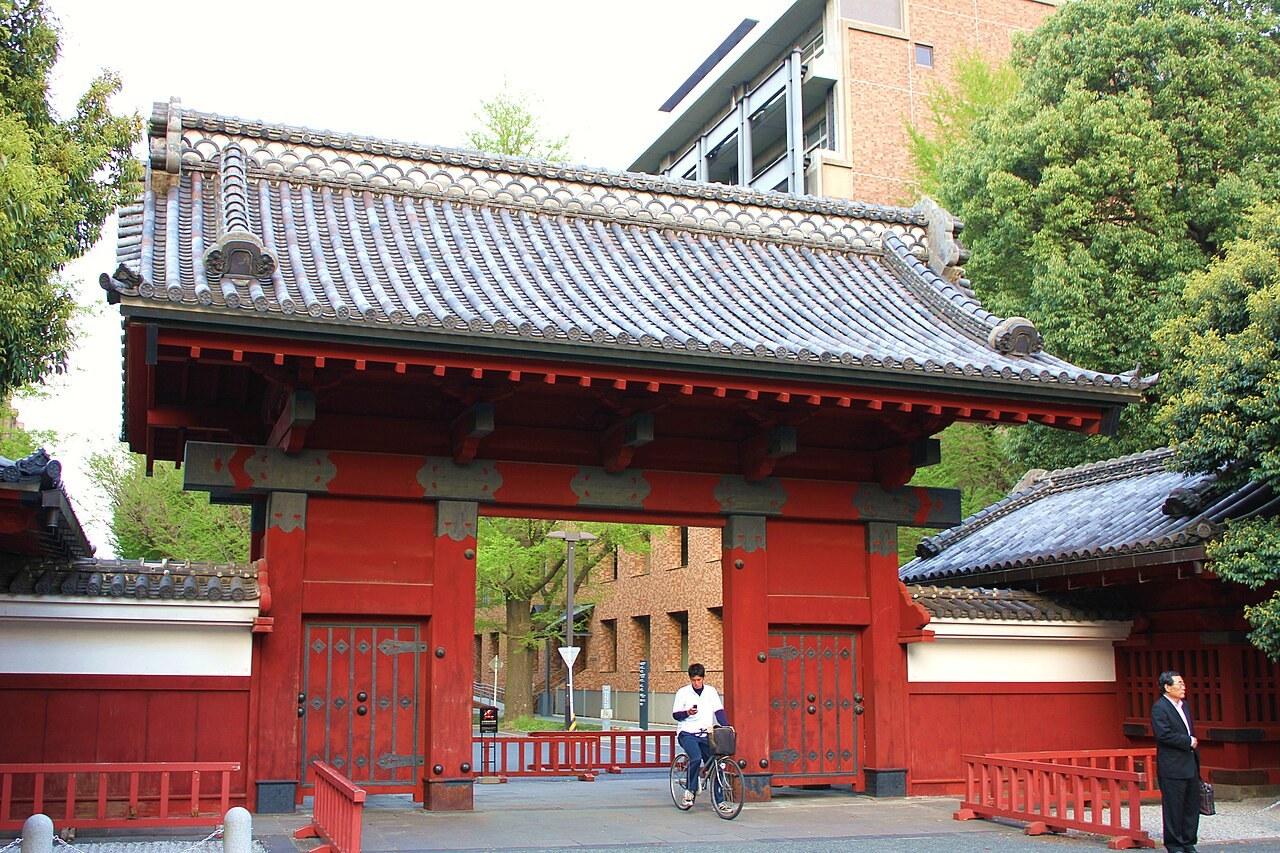
The loop’s terminus is the University of Tokyo’s own data. According to the university’s official statistics, as of November 2025 it had 5,466 international students—2.5 times the 2,194 recorded in 2005. Among them, 3,626 were Chinese, a 66.3% share; in other words, two out of every three international students came from China, up from 44% in 2005. For many Chinese elite families, compared with the near “single-plank bridge” competition for Peking University, UTokyo’s admissions threshold appears more accessible. That is one reason some families are willing to forgo school-district homes in China’s Tier-1 cities and instead stake out positions in Bunkyo. That said, investors should keep perspective on the limits of this narrative: a viral claim that “over half the students in a certain Bunkyo junior high class are Chinese” was debunked by fact-checkers; the actual share of foreign students is around 4%—far below rumor. The real shift is a structural, gradual wave of education-motivated migration, not a dramatic “takeover.”
Investment value and risk boundaries
For offshore investors with a long-term lens, Bunkyo offers a relatively scarce asset mix: the scarcity of education resources, combined with supply rigidity imposed by administrative zoning (school districts), gives top school-zone housing strong downside protection and rental support even against the backdrop of Tokyo’s overall demographic shrinkage. Using Urbalytics’ area-comparison tools, investors can clearly see the divergent paths in rents and whole-building yields between Hongo-sanchome and Sendagi, helping identify submarkets still trading below intrinsic value. Of course, opportunity comes with risk: first, education-migration demand depends heavily on policy stability. If Tokyo Metropolis or Bunkyo adjusts school-zone boundaries, or if study-abroad and visa policies between China and Japan shift, demand could contract quickly. Second, some subareas are already near historical highs; the margin of safety for momentum buys is thinning. Investors should benchmark entry against historical price-per-tsubo percentiles and verified deal comps, rather than paying blanket premiums for a “school-district” label.
Conclusion
In sum, the Bunkyo price rise driven by Chinese education migration is the product of three forces—demographics, education resources, and institutionalized school zoning—working in tandem. It is unlikely to be derailed by a simple market cycle in the short run, but it does have a ceiling. For investors prioritizing capital preservation and long-term holds, newer-vintage existing condos around the “3S1K” school zones remain worthy of study. Before entering, use Urbalytics’ transaction-history tools to pull actual deal prices and price-per-tsubo series for target buildings over recent years to keep decisions anchored in data rather than in a single storyline.
#Bunkyo #TokyoRealEstate #SchoolDistrictHousing #UniversityOfTokyo #EducationMigration #ExistingCondos #HongoSanchome #Sendagi #TokyoPropertyInvestment #ChineseBuyers #WholeBuildingAssets #CondominiumUnits #Urbalytics #CentralTokyo #OverseasProperty
References
Tomohiro Makino, “66% of UTokyo’s International Students Are Chinese: Intense Education Fever Lifts Property Prices in Bunkyo,” Minkabu Magazine/Yahoo! News, July 29, 2026, https://news.yahoo.co.jp/articles/41b54d3cfbc4db8a99998eb496f72b771ce396b8
“Verified by Statistics: Where Do ‘Resident Foreigners’ Live in Tokyo?” Rakumachi Shimbun, 2024, https://www.rakumachi.jp/news/column/374311
“Why Is Bunkyo’s Seishi Elementary School So Prestigious? A Look at Nearby Property Prices,” K Corporation, https://www.k-co.jp/blog/entry-555681/
“What Is the School Zone for Seishi Elementary? Check the Education Environment and Condo Price Levels,” Sumai Surfin, 2026, https://www.sumai-surfin.com/columns/mansion-knowledge/seishi-school-district
“Are Half the Students in Bunkyo’s Junior High Classes Chinese? Foreign-Student Share Is About 4% [Fact Check],” FactCheck Center, 2025, https://www.factcheckcenter.jp/fact-check/diversity/bunkyo-junior-high-school-chinese-50/
Bunkyo Statistics, Bunkyo City Official Website, https://www.city.bunkyo.lg.jp/b011/p006257/index.html