Words: 1661 | Estimated Reading Time: 9 minutes | Views: 0
The Japan Fair Trade Commission (JFTC) has moved to expose long-standing collusion between design consultants and contractors in the Kanto region’s condominium major-repair market, forcing every unit owner to reexamine the hidden cost of the repair reserve fund.
A single cease-and-desist order lifts the lid on a "gold mine"
The JFTC has decided to crack down on prolonged collusion in major condominium repair projects in Kanto. According to Rakumachi Shimbun on September 5, 2026, the JFTC found that two design consulting firms and more than 30 contractors violated Article 3 (Unreasonable Restraint of Trade) of the Antimonopoly Act, will issue cease-and-desist orders, and impose a total surcharge of JPY 1.6 billion on the contractors.
This is not a spur-of-the-moment case. The investigation has run for over a year, and officials describe the collusion as "wide in scope and egregious in nature." In other words, what got busted was not a few small firms’ one-off behavior, but an industry code that had operated for years.
More unsettling is the roster. The list reportedly includes frontline brands such as Haseko Group’s Haseko Reform, Shimizu Corporation’s Shimizu Building Life Care, and Tokyu Community. The investor shortcut that "big equals safe" was punctured outright by this episode.
Why did the major-repair market become a breeding ground for collusion? The answer lies in supply-demand structure. Japan’s condominium stratified-ownership system has a 70-year history, reaching about 7.13 million units across 140,000 buildings as of 2024. New supply is shrinking fast: in the Tokyo metropolitan area, new condos in 2025 total just over 20,000 units—roughly one-quarter of the 84,000 units twenty years ago.
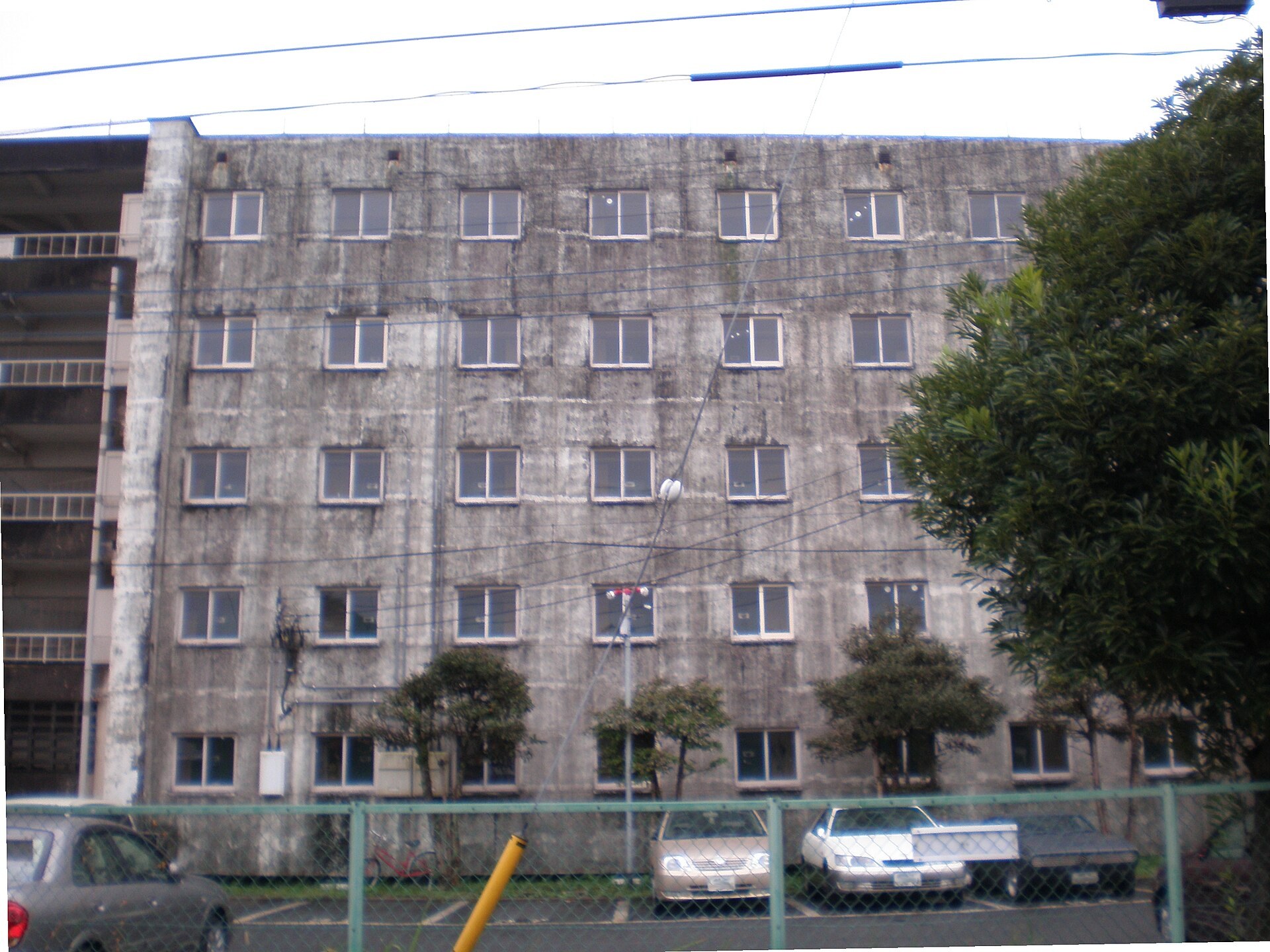
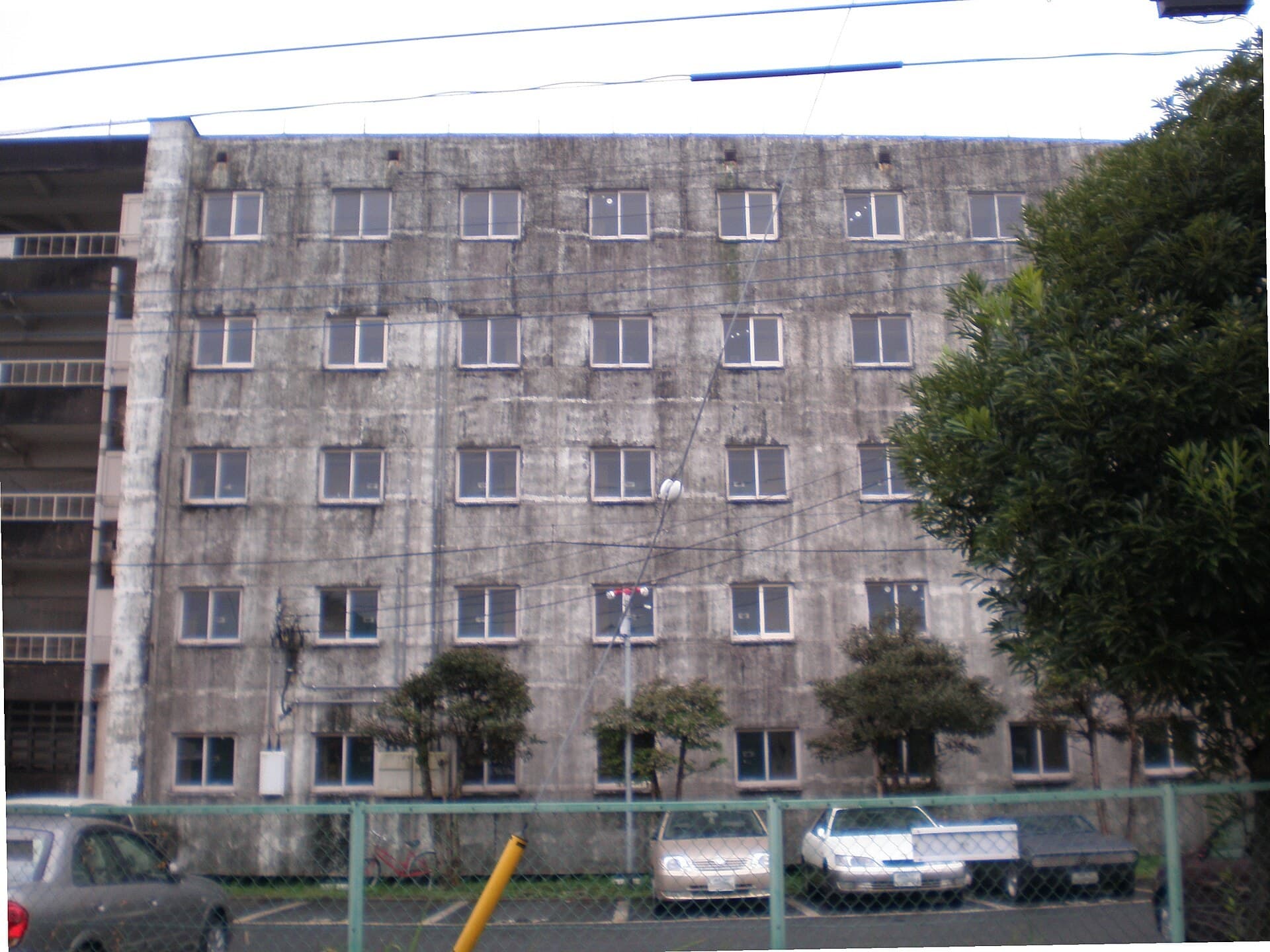
While the new-build pie shrinks, the repair-for-inventory pie is swelling. MLIT’s stock statistics show 1.257 million 40+ year-old condo units in 2022, rising to a projected 2.608 million in 2032 and 4.45 million in 2042—about 3.5x today’s level. For contractors, major-repair work is a one-way expanding "gold mine"—worth imposing order upon, even if that order is illegal.
When the "police" and the "thief" shake hands: why the design-supervision model failed
To grasp the mechanics of this collusion, you have to understand how major-repair contracting works in Japan. The client is the management association (kanri kumiai, the condominium owners’ association), but most associations lack technical expertise, so they outsource investigation, design, and construction supervision to third parties.
This is the design-and-supervision model: independent experts handle design and supervision while another set of firms does the actual work, separating duties to increase objectivity and transparency. Associations can also contract directly with a contractor, but without expertise they cannot vet quotes well, risking overpaying or under-supervision that invites corner-cutting.
The problem is that this model itself failed. The original piece uses an apt metaphor: design firms and contractors should be like "police" and "thieves"—contractors can exploit the client’s ignorance to pad costs or lower quality, while designers are supposed to audit and supervise to force fair play.
This time, the police shook hands with the thief. The playbook: the design consultant handpicks several contractors for the bid list, preselects the winner, and the others submit intentionally high cover bids; the winner later pays a hefty kickback to the consultant. Worse, many cases show consultants also paid "gratitude money" to the association’s chair and repair-committee members—meaning the very side that should represent owners’ interests was bought into the chain.
This structure endured because it neutralized two lines of defense: professional review was bought off by kickbacks, and owner governance was bought off by gratuities. With both defenses down, prices stop being set by the market and start being set by the split of spoils.
Costs were already rising; collusion just adds insult to injury
For investors holding Japanese condos, the real sting in this news is not the size of the surcharge, but the cost curve.
Inflation and surging construction costs have already hit repair sites. According to the Economic Research Association, the per-unit burden for major condo repairs reached JPY 1.506 million (2025), up from JPY 935,000 in 2013—an increase of 61% over twelve years. That means a single round of major repairs can eat two to three years of net rent for a typical unit.
Layer collusive mark-ups on top of that, and you accelerate depletion of the repair reserve and the frequency of special assessments. For yield-driven owners, this is a long-underestimated and rapidly worsening hidden liability.
Can the rental side cover it? Urbalytics’ internal data says: not likely.
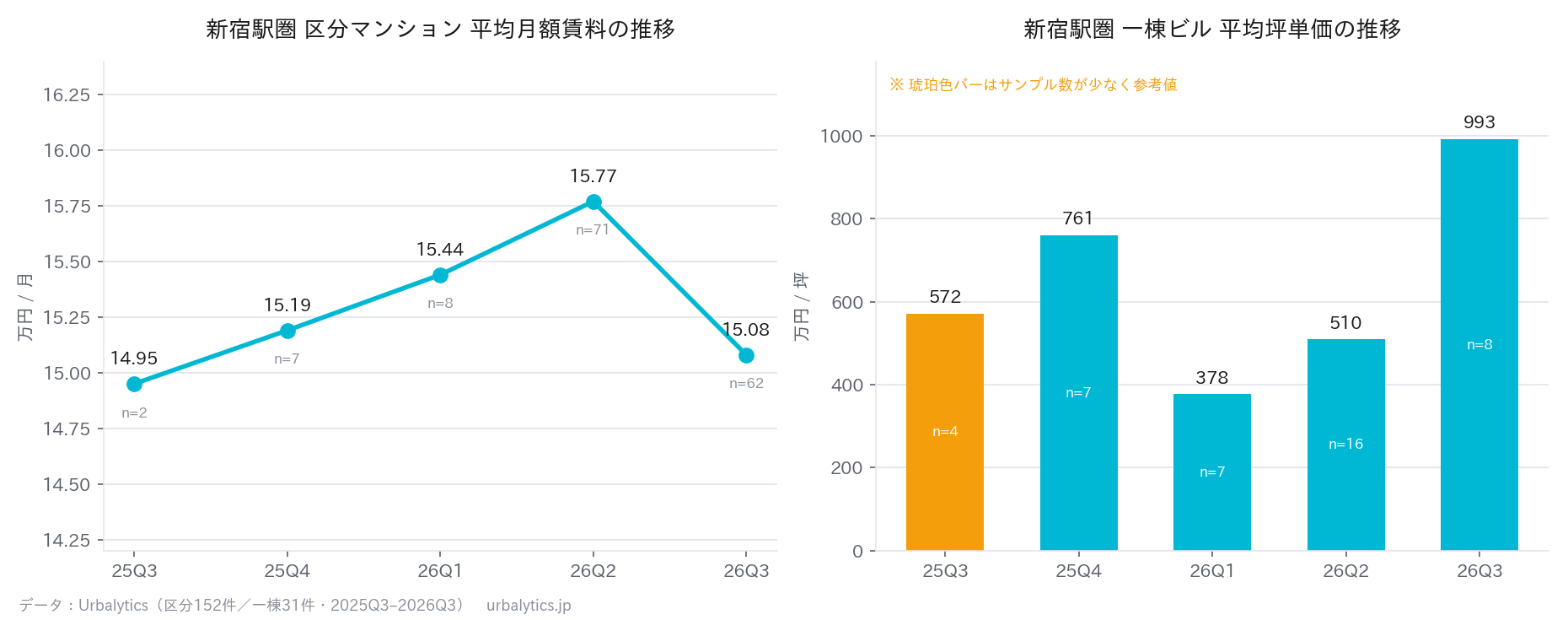
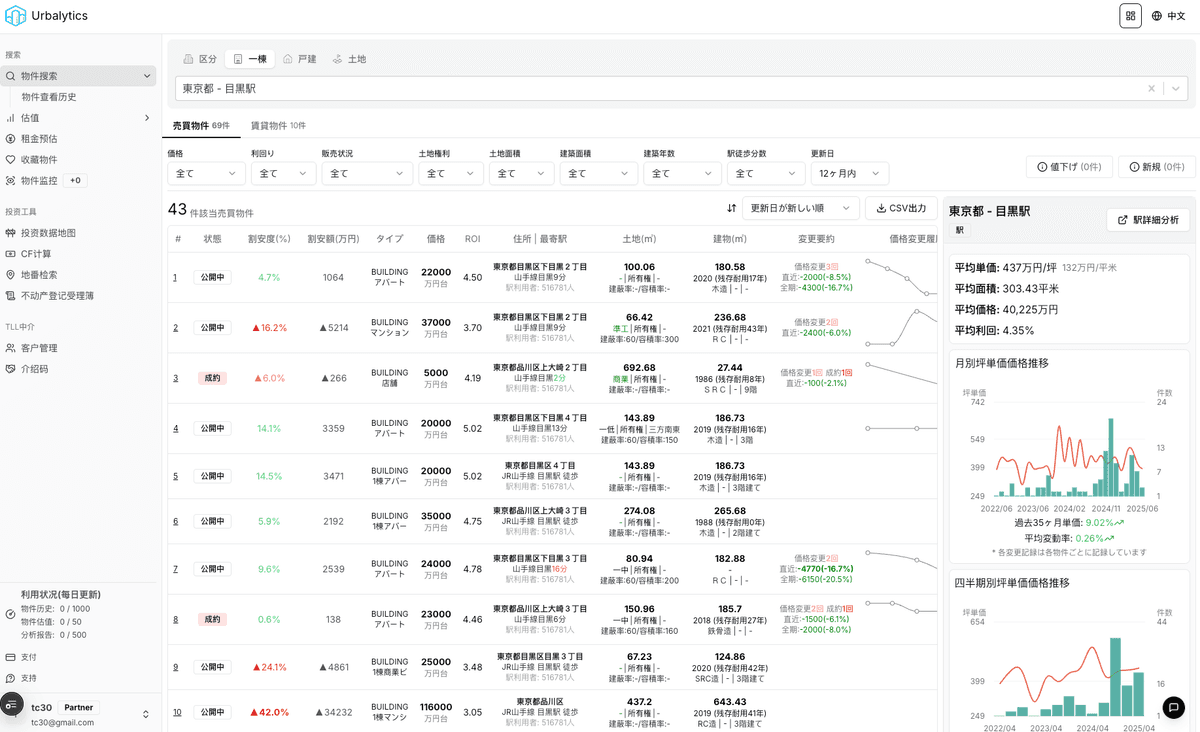
Take the Shinjuku station area: across 152 condo rental listings captured by Urbalytics, the average monthly rent rose from JPY 149,500 in 2025 Q3 to JPY 157,700 in 2026 Q2, then fell back to JPY 150,800 most recently. The average size is 28.37 square meters, with an average unit rent of about JPY 5,364 per square meter. Over the same period, average per-tsubo prices for whole-building sales ticked up, but with only 31 samples and high quarter-to-quarter volatility, that metric is for reference only.
Urbalytics Insight The value of Urbalytics’ internal data is that it captures individual listings and trades, not just industry-averaged aggregates. So when rents are essentially flat over one year while per-unit major-repair burdens are up 61% over twelve, the scissors spread between the two can be quantified down to a specific station area or property—precisely the lens you need to judge whether an older subdivided condo is still worth holding.
Flat rents and one-way-rising repair costs—the spread between these curves is the true investor takeaway from this enforcement action. Crackdowns may trigger a short-term price reversion, but they won’t reverse the structural reality that 40+ year-old stock will swell 3.5x over the next sixteen years.
What buyers can do: thicken defenses rather than rely on enforcement
Author Tomohiro Makino is candid: perfect prevention doesn’t exist, because proving collusion and kickbacks has inherent limits. That said, you can reinforce three layers of defense:
First, broaden the pool of design consultants. Those lacking technical knowledge tend to default to fuzzy heuristics like "big equals safe" or "long operating history equals fine." But design quality doesn’t obey a "large firms are always better" rule, and the parties named here prove it.
Second, bring in second and third opinions. Commission multiple consultants to cross-check, and when selecting, investigate the firm’s principals, track record, and conflicts. Favor advisors with minimal entanglement with contractors.
Third, learn to read red flags in bid documents. If multiple bids show near-identical scopes and language but a few line items diverge wildly in price, if submission timestamps align too neatly, or if withdrawals arrive in a batch, you have ample reason to suspect pre-coordination.
Internal issues at the association level are harder. Makino notes that condos where the same person chairs the board for years face markedly higher fraud risk; handing deliberations entirely to the management company, which then steers contracts to affiliates, is also common. A simple and effective countermeasure: amend the bylaws to require annual rotation of all board members, including the chair. That alone filters out most large-scale misconduct.
The deeper issue is mindset. Plenty of residents pay into the repair reserve every month yet treat common-area repairs as "someone else’s problem." That soil breeds fraud. In a case a few months ago, a contractor’s employee even posed as a resident to join a repair committee and steer orders to their own firm.
Three reminders for cross-border owners
For overseas investors remotely holding Japanese condo units, the operational implications of this news are heavier than for local owners.
Remote ownership means you will almost never attend the owners’ association general meeting, which means you have effectively outsourced your voting and oversight rights to people you don’t know. This episode shows that the outsourced link can be bought.
So, push your checks forward into due diligence: beyond yield and vacancy, retrieve the long-term repair plan and reserve balance, confirm the timing and per-unit cost of the last major repair, and verify whether board rotation is codified in the bylaws. You can find these in the pre-acquisition Explanation of Important Matters and the association’s meeting minutes—it’s just that few people actually read them.
Risk alert Older condos with low repair-reserve balances and an imminent major repair are the highest-risk assets in this episode. If the special assessment exceeds expectations, the resulting sale discount often outweighs the assessment itself. Before buying, confirm reserve adequacy, the timing and unit cost of the last major repair, and whether the association’s decision-making structure is sound.
Back to this news itself. A JPY 1.6 billion surcharge is not a body blow to a market that turns over hundreds of billions of yen a year, but it confirms one thing: prior pricing was not the product of full competition. For buyers, that’s both bad news and good—bad, because you may have been overpaying; good, because post-enforcement quotes may, for the first time, approach what they should have been.
To quickly check rent levels, building yield distributions, and actual comps around a given property, you can query individual records by station area directly on Urbalytics—and let data replace impressions.
#JapanRealEstate #TokyoProperty #MajorRepairs #RepairReserveFund #OwnersAssociation #JFTC #BidRigging #CondominiumUnits #OlderCondos #JapanPropertyInvestment #Shinjuku #AntimonopolyAct #LongTermRepairPlan #CrossBorderInvestment #Urbalytics
References
- Rakumachi Shimbun (Tomohiro Makino), "Why did bid-rigging in condominium repairs happen? JFTC cracks down on vendors who colluded to target owners’ associations," September 5, 2026 https://www.rakumachi.jp/news/column/405301
- Ministry of Land, Infrastructure, Transport and Tourism (MLIT), "Statistics on Stock of Condominiums"—Transition and projections of units 40+ years after completion (2022 actual; 2032/2042 projections) https://www.mlit.go.jp/jutakukentiku/house/jutakukentiku_house_tk5_000058.html
- Economic Research Association, "Per-unit burden in major condominium repair works," 2025 survey (compared with 2013) https://www.kensetu-navi.com/
- Japan Fair Trade Commission, "Overview of the Antimonopoly Act (Unreasonable Restraint of Trade)" https://www.jftc.go.jp/dk/dkgaiyo/
- Urbalytics internal data (Shinjuku station area—152 condo rentals; 31 whole-building listings, 2025Q3–2026Q3) https://www.urbalytics.jp/