Words: 1731 | Estimated Reading Time: 9 minutes | Views: 2618
In recent years, condominium associations across Japan have repeatedly experienced governance imbalances, information opacity, financial misuse, and related problems. Among them, the long-established Shuwa Hatagaya Residence in Tokyo's Shibuya Ward—nicknamed the "North Korea of Shibuya" for its near-"dictatorial" management style—has become a typical example of a management crisis. This article uses that case to map the types of problems that have proliferated among management associations since 2025, including major repair kickbacks, information concealment, long-term autocracy, limits of legal reform, etc., and offers clear recommendations to avoid these traps.
If you plan to own or acquire a condominium unit in Japan, this article will help you understand the real impact of governance structure on asset value and guide you on how to identify hidden risks behind seemingly stable properties.
Nicknamed the 'North Korea of Shibuya' — Shuwa Hatagaya Residence
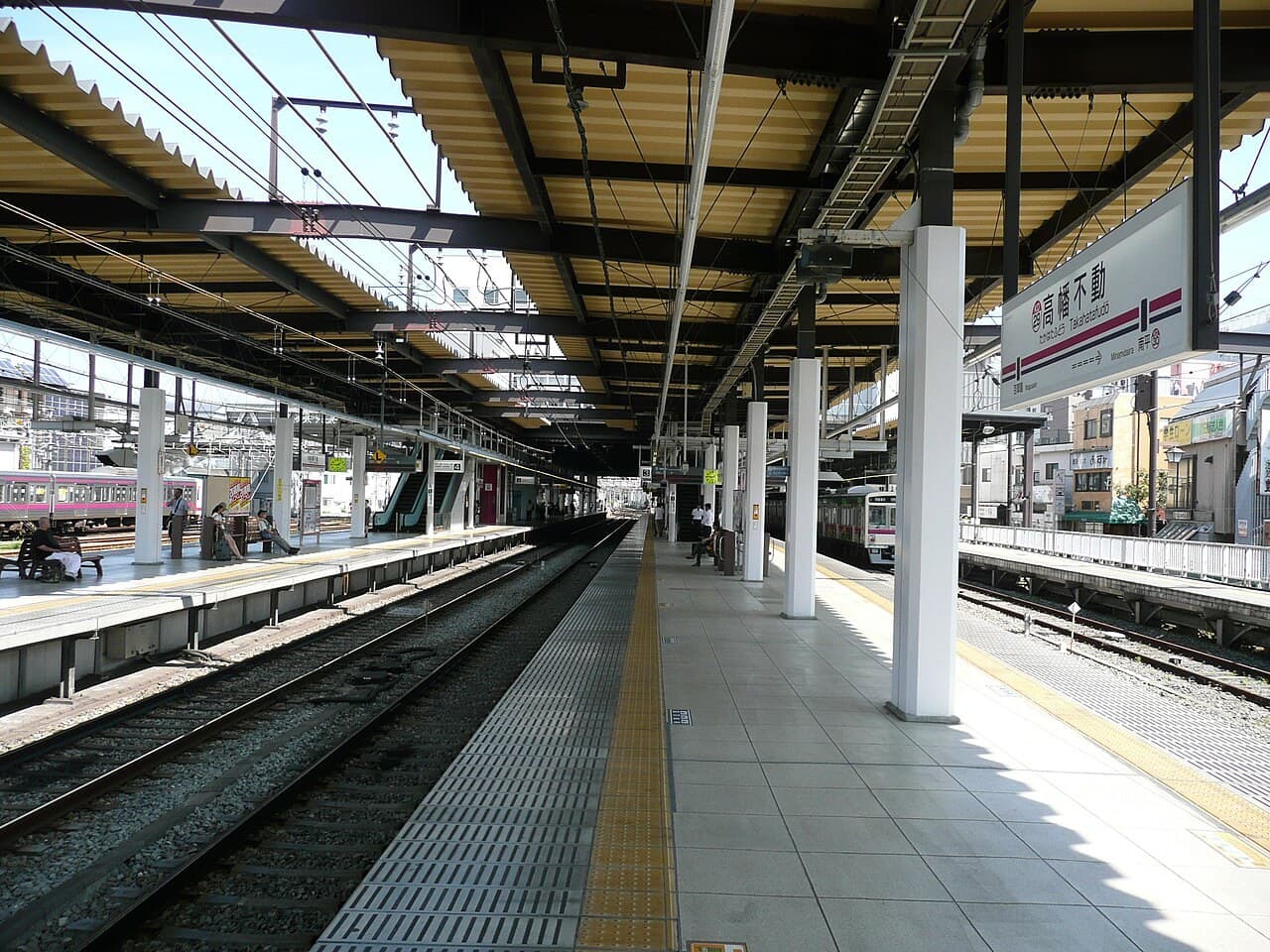
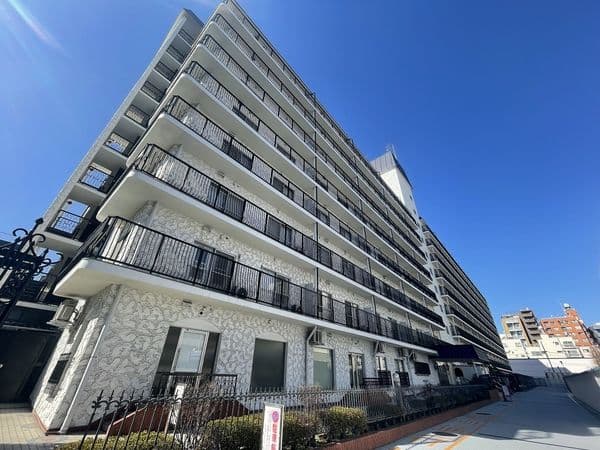
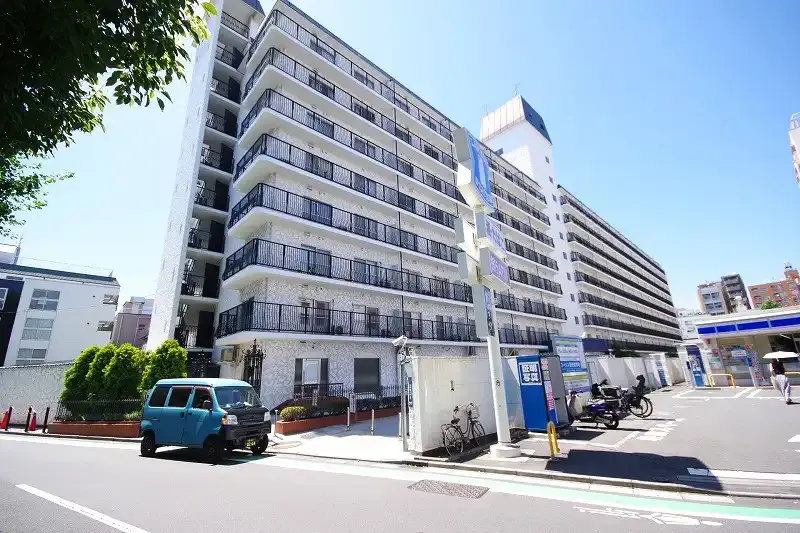
The "Shuwa Hatagaya Residence" (秀和幡ヶ谷レジデンス) is an older condominium located a four-minute walk from Keio Line Hatagaya Station. Built in 1974 with over a thousand units, it is a very typical legacy community asset. The building has been criticized and dubbed "the North Korea of Shibuya" because of a series of exceedingly strict and blunt management rules—banning Uber Eats, requiring prospective residents to pass a management association interview, extensive public surveillance, and more.
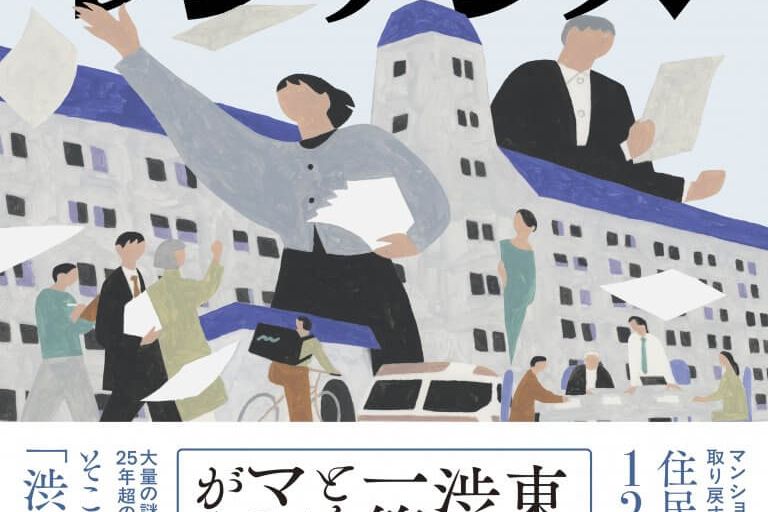
This association exceptionally retained the same chairperson for about 25 years. After a quarter-century of entrenched control, the former chair was criticized as an opaque autocrat. Residents, through a rights campaign lasting more than 1,200 days, finally achieved a change of leadership.
Major Disputes Related to Condominium Management
#1 Authoritarian, closed management model: A nontransparent, "dictatorial" governance system in which the board unilaterally sets rules—from requiring board interviews for new residents to monitoring with more than 50 cameras, banning Uber Eats, charging fees for relatives to stay over, and other eccentric rules—leaving residents with no meaningful role in decision-making and virtually no voice.
#2 Asset and financial risks: Unreasonable management practices have caused condominium asset values to decline, harming owners' property rights. At the same time, managers refuse to disclose income and expenditure reports or provide necessary explanations to residents, creating opaque finances and fueling suspicion and distrust about the use of funds.
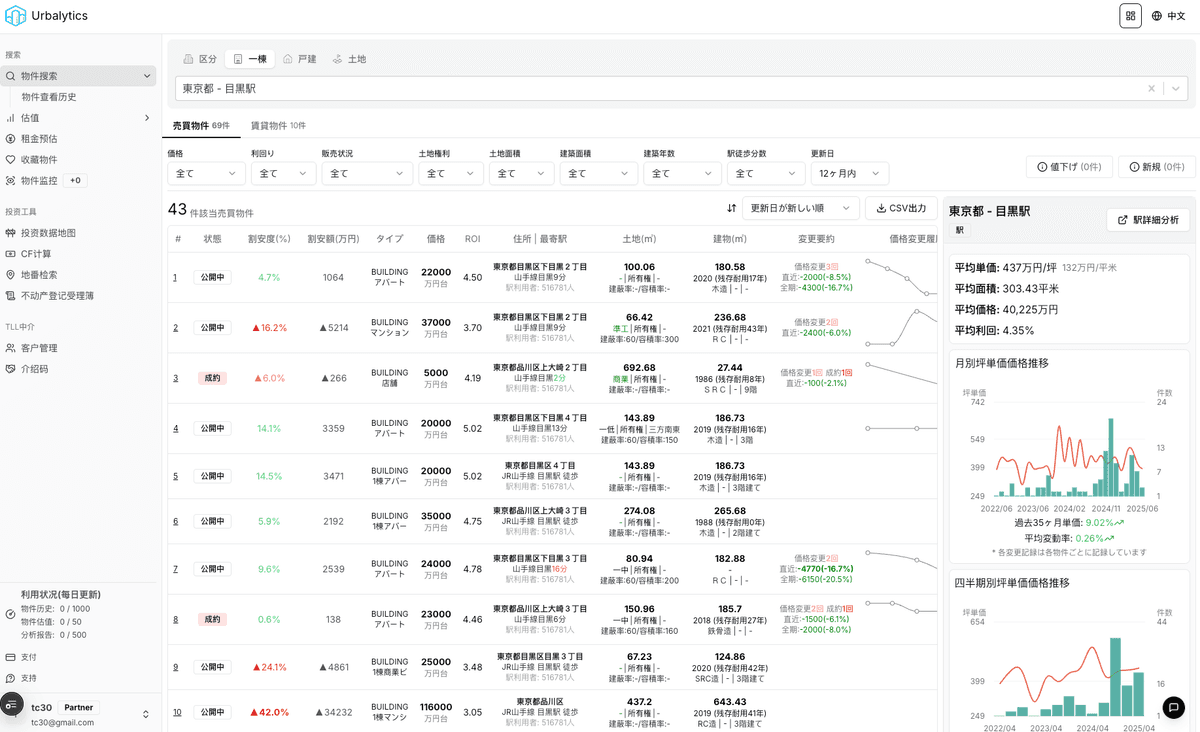
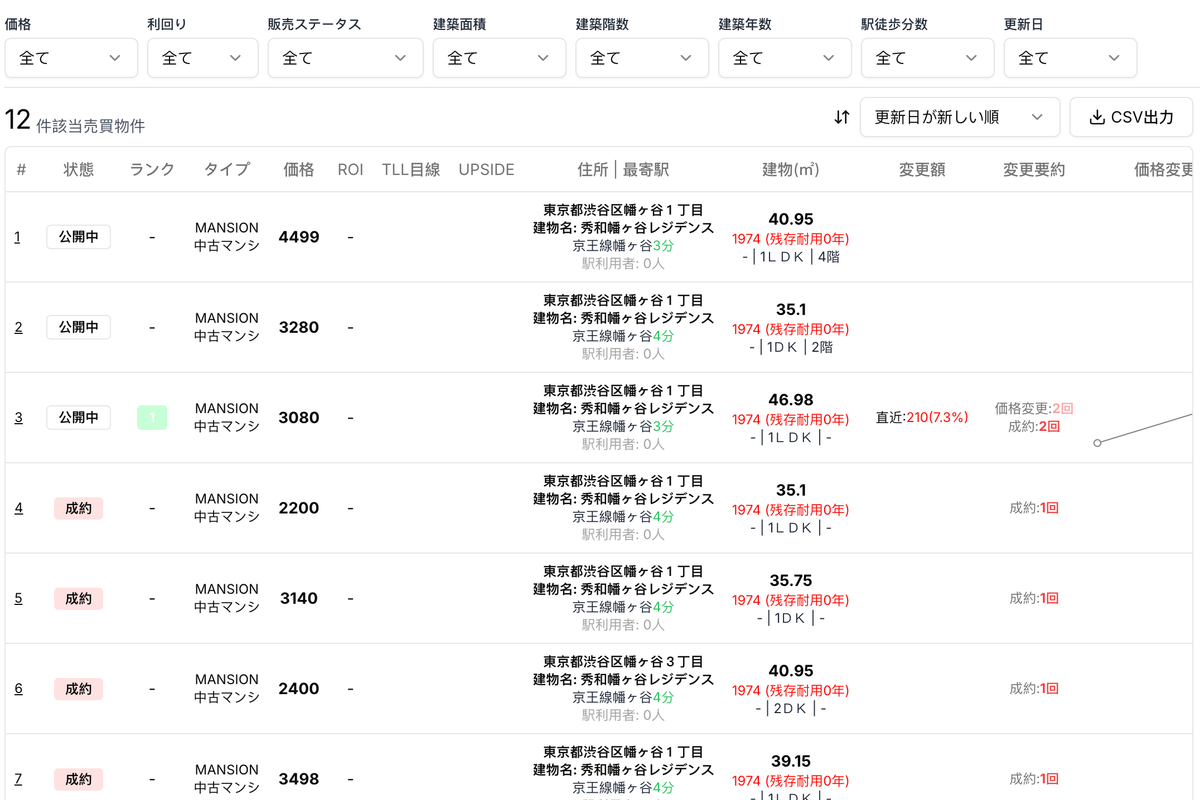
You can view on Urbalytics, where most units in this building are 35–45 sqm 1DK/2DK layouts. Recent transaction prices have been around JPY 20 million, with some near JPY 15 million that likely indicate "urgent sale" properties. Given the prime Shibuya-area location just two stations from Shinjuku, the impact of poor management on this asset is self-evident.
#3 Persistent, hard-to-resolve conflicts: Harsh rules provoke continuous conflict between residents and management, with disputes recurring and management changes proving extremely difficult. Even when residents succeed in long-term campaigns to replace leadership, many disputes remain unresolved and can escalate to the Supreme Court, leaving long-term impacts on community harmony and stability.
Management Association Incidents That Have Risen Since 2025
Since 2025, disputes related to condominium associations (マンション) have continued to increase across Japan—from older, smaller local buildings to new high-rise developments in Tokyo. The root causes vary, but the core issues almost always center on imbalance and ossification of the self-governing association.
Kickbacks in large-scale repair projects
In February 2025, an Osaka management company employee was exposed for embezzling as much as JPY 900 million in management fees; earlier, in 2023, a Niigata association chair was accused of pocketing JPY 1.1 billion in repair funds.
Beyond these criminal, prosecutable acts, a broader range of hard-to-punish "gray operations" exists—most commonly kickback collusion between chairpersons and contractors. In large-scale repairs with budgets in the hundreds of millions of yen, chairpersons or board members may covertly arrange for contractors to return 1–2% as kickbacks. Sometimes contractors approach the board; other times the chair seeks out compliant "in-house experts."
This phenomenon is hard to stamp out because the operations are secretive and often legally ambiguous. From residents' perspectives, however, it undermines trust, distorts fair competition, and seriously threatens the long-term value of the property.
Information blackouts and document concealment: residents excluded from "management"
Many associations operate with information lockouts. Common practices include boards not disclosing meeting minutes, failing to proactively report financial status, not explaining tender processes for works, and even refusing to provide repair plans or budget details. This "formally informing but substantively excluding" behavior leaves most owners passively accepting how the association operates.
For example, in April 2025, a mid-sized condominium in Kawasaki, Kanagawa Prefecture, discovered long-overdrawn accounts after its association failed to disclose accounting reports for years, triggering a class-action suit. Although no direct embezzlement evidence was found, the lack of transparency led media to label it a "semi-transparent governance collapse."
Long-term autocracy and "hereditary rule": the board as private fiefdom
The problem of "permanent regimes" within associations is also worsening. Positions that should rotate among owners are in some cases monopolized by a small group serving consecutive terms. Some boards even erect "invisible barriers," such as requiring candidates to have "owner-occupancy experience" or specific Japanese language ability—effectively excluding investor owners and foreign owners from running for office.
The Shuwa Hatagaya Residence described above is a typical example, but similar incidents are common in other older, large-scale buildings.
Legal improvements
Japan currently has over 7 million condominium households, roughly 20% of which are more than 40 years old. With aging buildings and residents, condominium management faces many challenges—decision-making gridlock, insufficient repair funds, and more. Recent legal amendments aim to simplify decision-making processes, increase management transparency, and introduce new governance mechanisms to address these issues and ensure sustainable condominium management. Against this backdrop, the March 2025 amendments to the Act on Building Unit Ownership seek to improve the efficiency and transparency of condominium management.
Main revisions in the March 2025 amendments to the Act on Building Unit Ownership and the Condominium Management Optimization Act
Demolition and whole-building sale: Matters that previously required unanimous consent of all owners—such as demolition or whole-building sale—can now be executed with the approval of four-fifths of owners. For decisions on common-area repairs, a majority of attending owners can now decide without requiring all owners' participation.
Enhanced management transparency: Prior disclosure of conflicts of interest: if a management company both administers the building and participates in awarding contracts, it must disclose potential conflicts to owners in advance. Developers of new buildings must also prepare detailed management plans and hand them over to the association at delivery to help ensure long-term management quality.
Introduction of new management mechanisms
External manager system: For poorly managed properties, courts can appoint an external manager to oversee the property and protect the living environment.
Local government intervention: Local authorities are given expanded powers to investigate, advise, and mediate in condominiums with safety risks, ensuring resident safety.
Limits of legal reform under a civil-law presumption of goodwill
Although the March 2025 amendments lower certain decision thresholds to improve association decision-making efficiency, these reforms remain constrained by a civil-law presumption of goodwill—that owners will actively participate in management. In reality, many owners lack the interest or time to engage in management, so associations still often rely on a small number of active individuals. That reliance can concentrate power and increase the risk of abuse. For example, in some cases boards exploit informational advantages, and information lockouts remain widespread, excluding owners from meaningful participation in management.
Moreover, even though the law lowers voting thresholds, practical issues such as information asymmetry and poor communication can still undermine decision efficiency and quality. Boards may continue to exploit these asymmetries to manipulate processes and harm other owners' interests.
Implications for Unit Property Investors
1. Even for a 1R, obtain and review core association documents
Many buyers assume, "I'm only buying a studio; I won't participate in management, so I don't need to worry." In fact, even if you don't get involved in governance, you are affected by its outcomes. Whether repair reserves are adequate, whether the board is transparent, or whether governance chaos could affect renting or resale—these clues are found in association documents.
Specifically, before investing you should proactively request the past three years of:
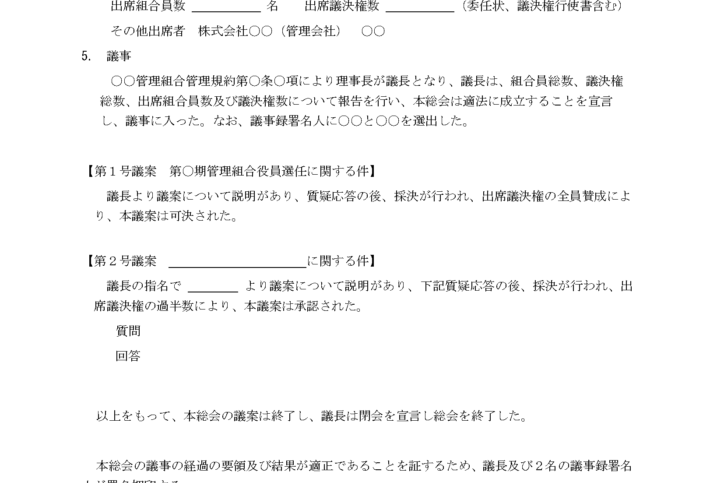
Minutes of general meetings (議事録)
Management rules and documentation on rotation/term systems
Repair plans and reserve fund balances
If you find the same chairperson in place for an extended period (for example, the same person for over five years), funds accumulating for years without executed repairs, or bylaws containing excessively intrusive clauses such as "occupancy subject to board approval," treat the property as high governance-risk.
#2. On-site observation is a "microscope" for judging management quality
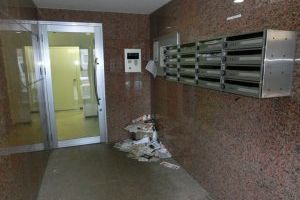
A board's governance style is not only written in documents but also visible in everyday details. During showings, spend five minutes observing:
Whether the garbage room is tidy and whether there are violations or improper disposal practices
Whether the notice board is up to date and whether notices use extreme or antagonistic language
Whether common areas are overloaded with many "prohibited" signs and dense postings that create a sense of management pressure
These signs reflect whether the chair is autocratic, whether the management company is negligent, and whether residents actively participate in self-governance. Healthy community governance is like "visible air."
#3 Avoid heavy allocations to older, opaquely governed mid-to-large properties
Many properties that have experienced frequent management problems share common features:
Building age over 30 years
High ratio of investor owners
Mid-sized buildings where rotation systems are effectively nonfunctional
In these properties, boards often face "no one willing to serve" or become long-term strongholds of specific interest groups, making them more vulnerable to external penetration by tradespeople and leading to kickbacks, inflated contractor pricing, and the like.
By contrast, prefer buildings where:
Board member rotation is documented
The management company is a major brand (e.g., Haseko, Mitsui, Nomura)
Residents lead governance and the bylaws are reasonable and transparent
These factors significantly reduce the holding risk from chaotic major repairs or deteriorating management.
Final Remarks
Investing in real estate is not just buying a set of income figures; it's taking on a share of rights and obligations within a community. An ideal investment delivers stable returns, controllable risks, and easy resale. To achieve this, don't just look at rent rolls—look at the property's "governance DNA."
Choose properties carefully; start by understanding governance.
References
https://www.mankan.or.jp/news_arc/19552.html?utm_source=chatgpt.com — Condominium Management Support Net
https://wpb.shueisha.co.jp/news/society/2025/03/27/126460/?utm_source=chatgpt.com — Are vendor kickbacks rampant? Why fraud spreads in condominium management associations
https://note.com/warabi001/n/n4100d1b7b0c6?utm_source=chatgpt.com — [Problems of Condominium Boards]