Words: 2048 | Estimated Reading Time: 11 minutes | Views: 5804
Morito Coast in Hayama Town, Kanagawa Prefecture, prized for its scenery and the history of an Imperial residence, has long been a sought-after locale. Recently, a high-end hotel, Casa CABaN HAYAMA—developed by fashion company Tomorrowland—has ignited controversy amid strong local opposition and questions over administrative procedures, offering a stark warning to investors in seaside resort assets about regulatory and due-diligence risks.
History of Hayama Town
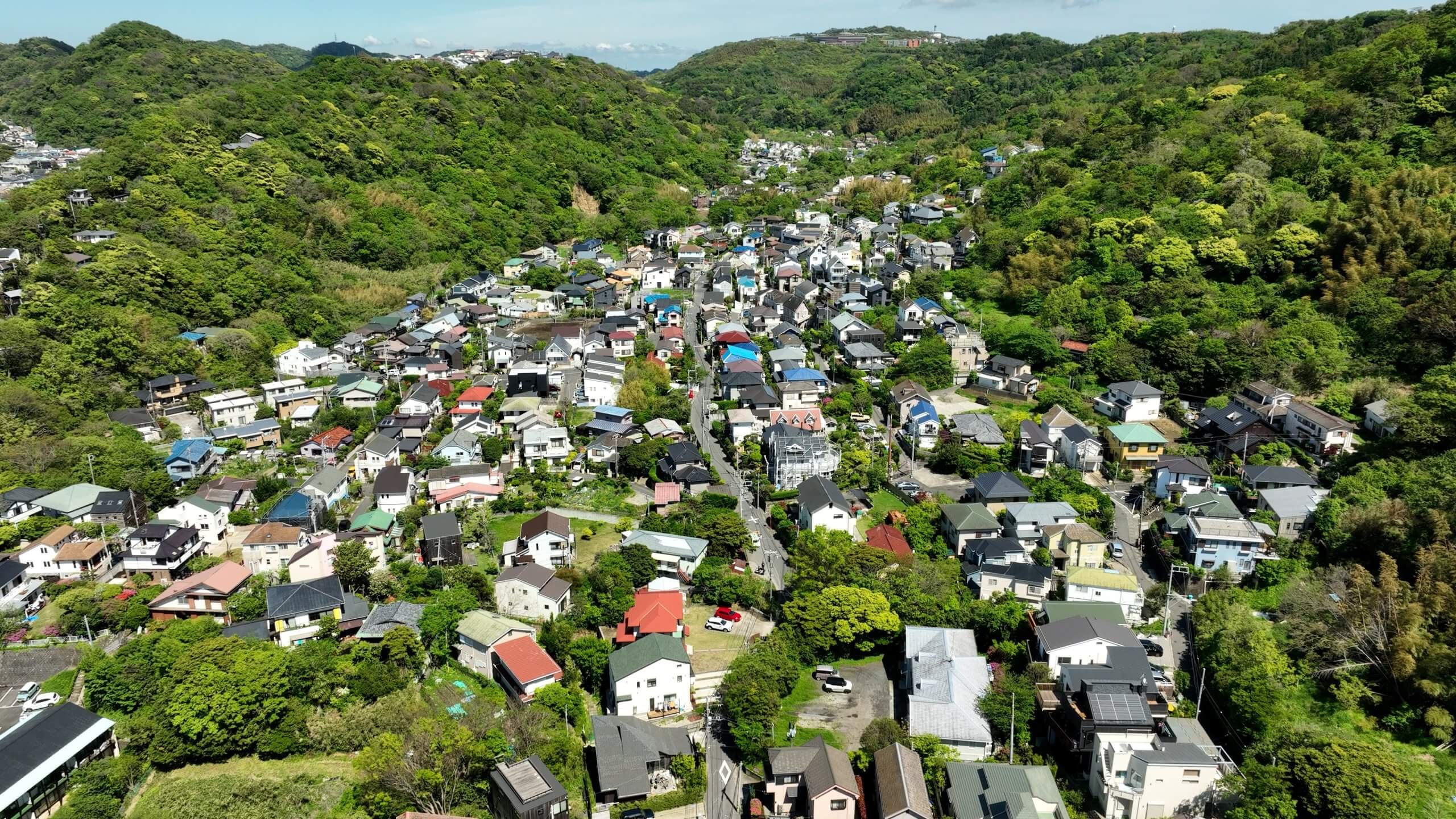
Known as the Japanese imperial residence town, Hayama Town in Kanagawa Prefecture has for centuries been a special place where power, culture, and natural beauty converge. Facing Sagami Bay with views toward Enoshima and, on clear days, majestic Mount Fuji, the town enjoys exceptional natural conditions and a distinct place in modern Japanese history.
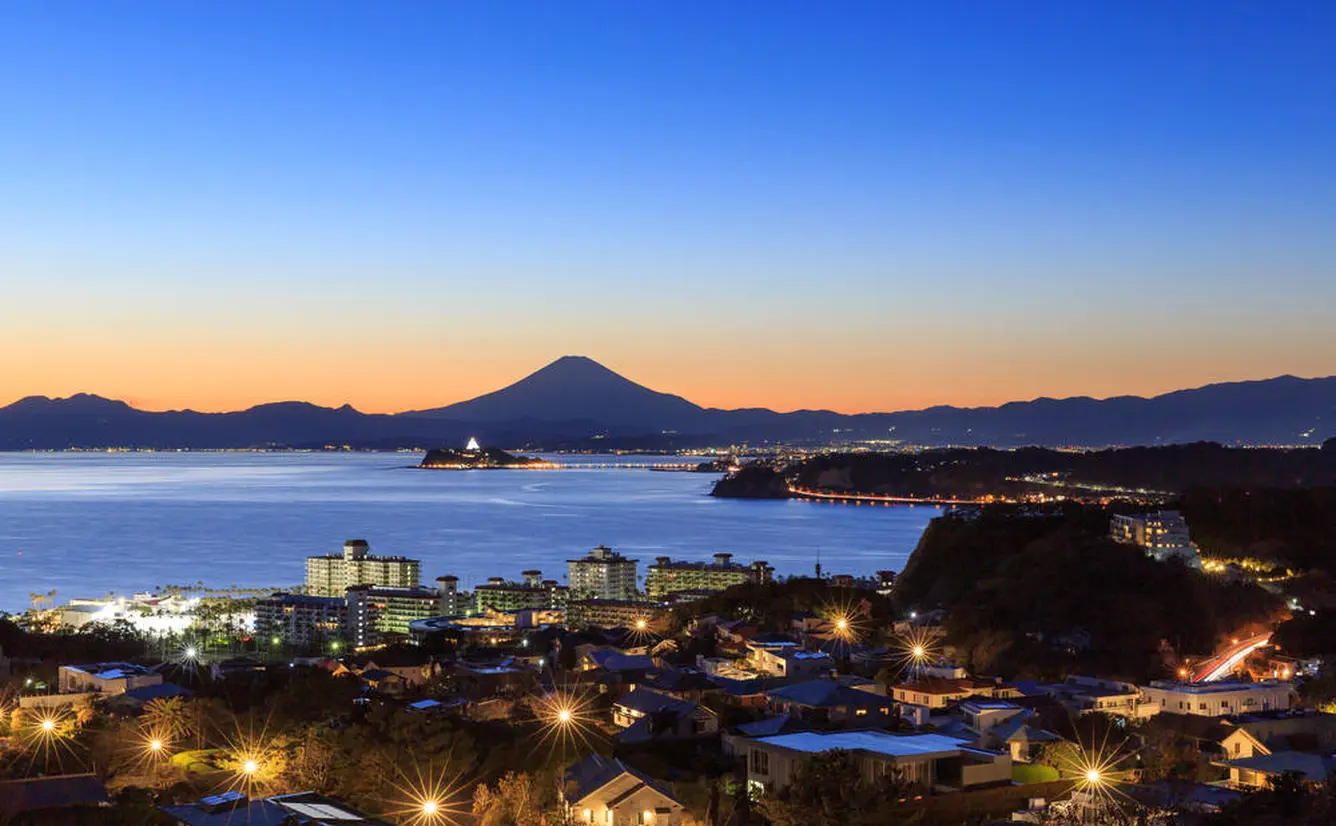
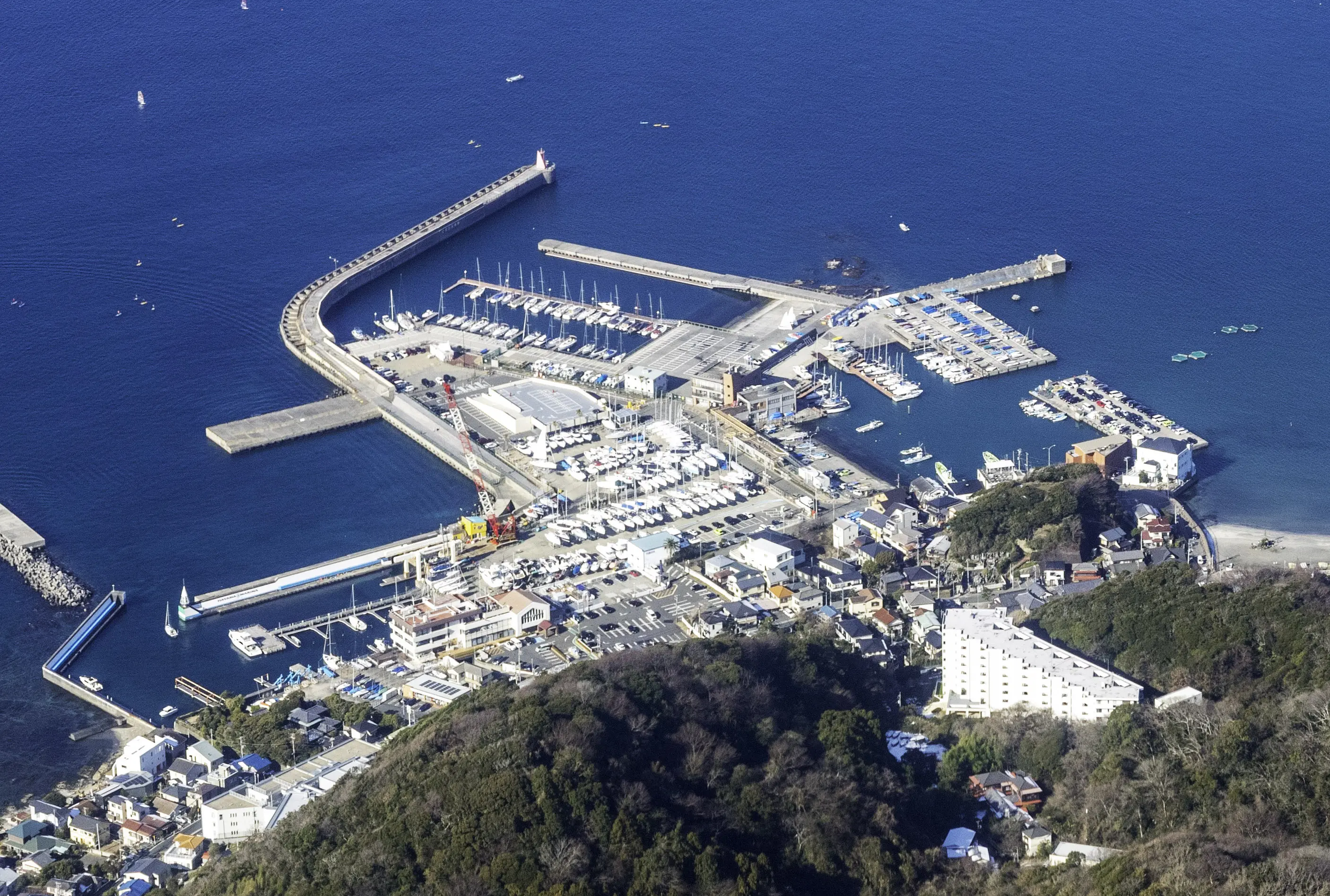
Hayama entered the national spotlight during the Taisho era. In 1915 the Imperial Household built the Hayama Imperial Villa here as a retreat and summer residence for the Emperor and the Imperial family. Since then Hayama has acquired a restrained, tranquil and ‘untouchable’ character, symbolizing an upper-class Japanese lifestyle in harmony with nature. The Imperial presence also imposed strict development limits that have, implicitly, protected the local landscape and lifestyle. In the Showa period Hayama gained another cultural layer. Against the backdrop of postwar economic recovery, Hayama’s coastline and mild climate made it one of the birthplaces of Japan’s yachting culture and marine sports. Around the time of the 1964 Tokyo Olympics, Hayama Marina opened and quickly became an iconic symbol of Japan’s yachting scene. It has been a destination for yacht enthusiasts as well as politicians, business leaders, and cultural figures.
Hayama has also left a deep imprint on Japanese popular culture. Showa-era youth films such as Yujiro Ishihara’s Crazed Fruit and Yuzo Kayama’s Young Guy series depicted Hayama as a free, sunlit seaside playground with a hint of rebellion. For a generation of Japanese, Hayama is not just a place name but a collective memory of youth, summer and an ideal lifestyle. Unlike other parts of Shonan, Hayama has not been heavily commercialized in the Heisei and Reiwa eras. Instead, it is known as a town to live in long-term and has repeatedly ranked first in surveys of the Greater Tokyo area’s most desirable long-term residential cities. Low-density development, strict building-height limits, and a focus on landscape and community have produced a scarce residential culture: slow, quiet, restrained, but highly conscious.
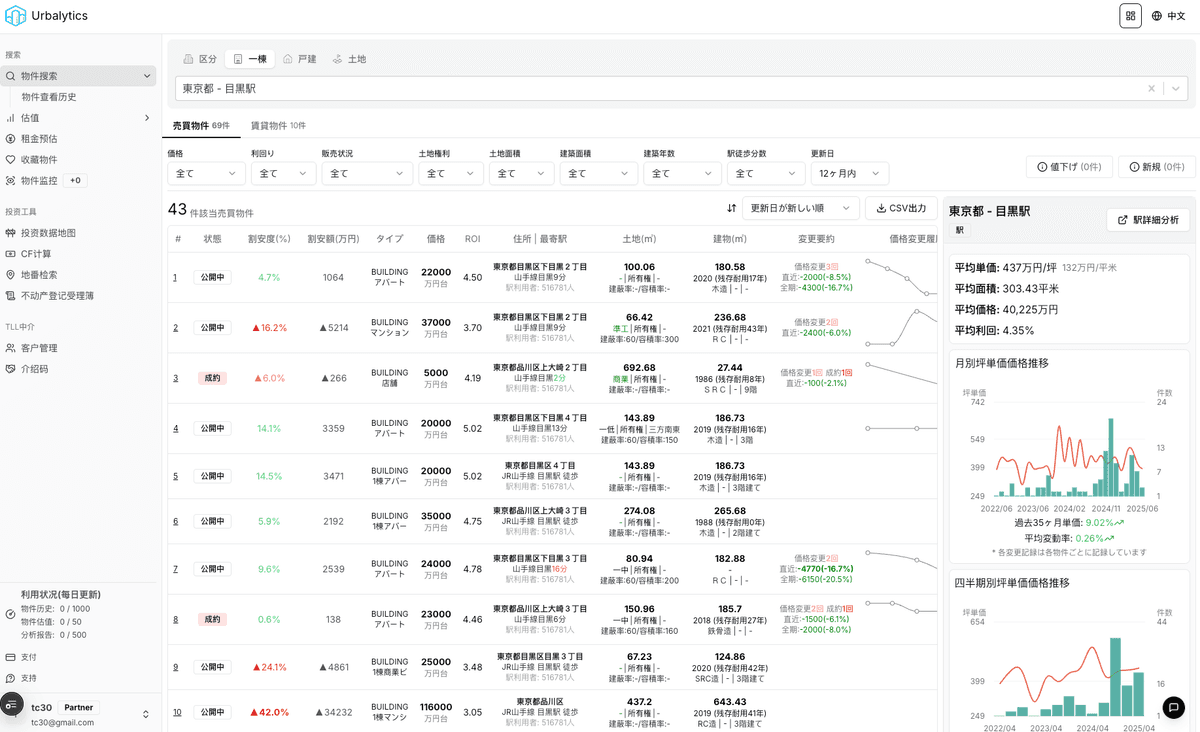
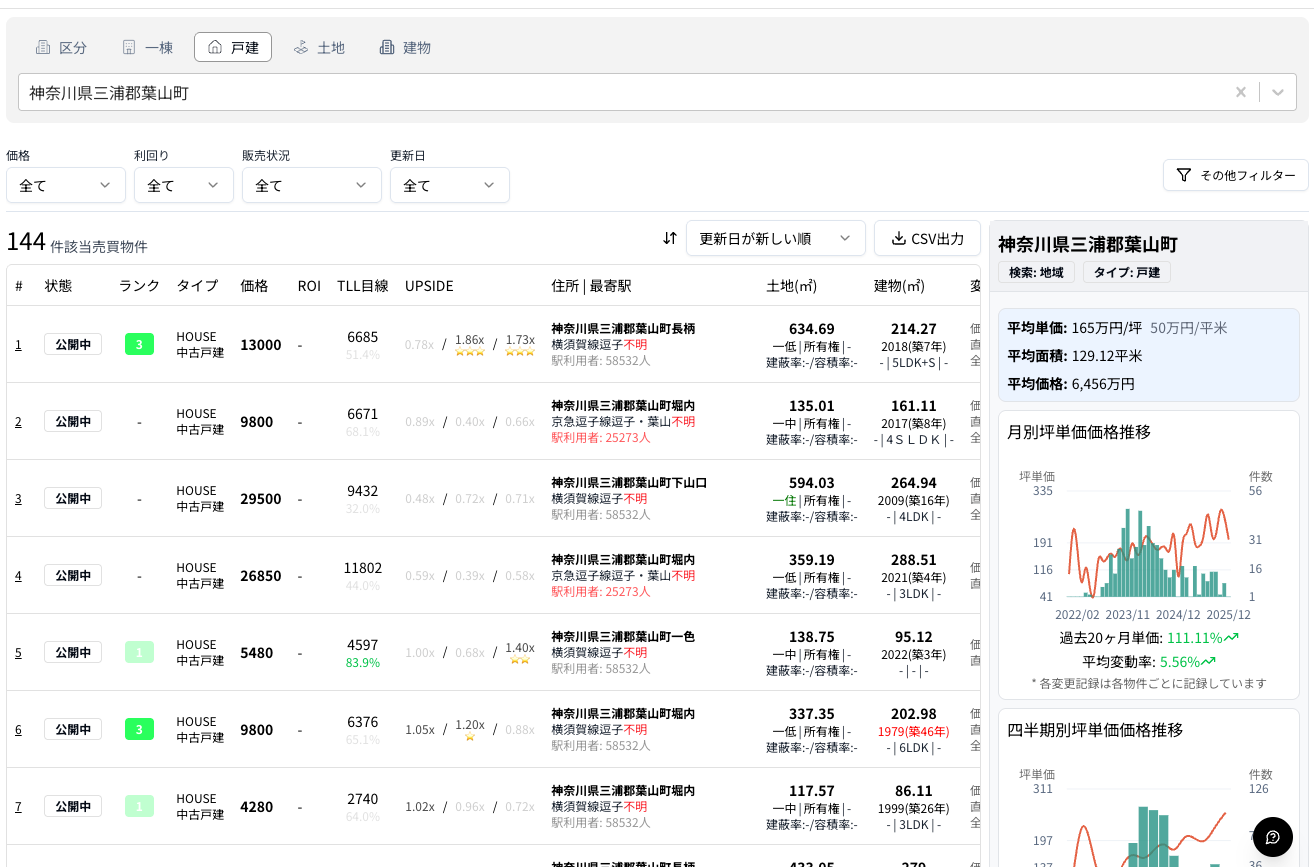
According to Urbalytics, Hayama sees relatively few residential transactions—only about 20–30 listings per year. Average prices are in the range of ¥60–100 million. Given that most properties are not within walking distance of train stations, they are more likely used as holiday or weekend homes than primary residences.
Case Review: Why the Luxury Hotel Project Provoked Residents' Outrage
The controversy began when well-known apparel brand Tomorrowland proposed to build a luxury resort hotel on Morito Coast in Hayama Town, Kanagawa. Named “Casa CABaN HAYAMA,” the plan called for a three‑story building above ground with one basement level, just 14 guest rooms, and high-end amenities including a restaurant, a rooftop lounge, and a pool bar, originally scheduled to open in winter 2025. Hayama, famed for its Imperial Villa and attractive coastline, has ranked first for five consecutive years in the Greater Tokyo area’s list of cities most desired for long-term residence. The project’s planning stretches back several years: Tomorrowland’s chairman Keisuke Sasaki reportedly fell in love with the area’s views as early as 2017, and designer Patricia Urquiola—who accompanied an early site visit—allegedly praised the scenery, prompting the developer’s resolve to build a hotel here. Tomorrowland began acquiring parcels around the coast as early as 2007 and purchased the core site for the project in 2016, setting the stage for development. Notably, another company (mobile game operator Colopl) had attempted a hotel project on the same parcel around 2015 but withdrew amid strong local opposition and inadequate road access. Learning from that prior case, Tomorrowland held public briefings from late 2019 and negotiated project details with Hayama Town government in 2020–2021. Still, many nearby residents could not accept a large development that they believed would disrupt the quiet community.
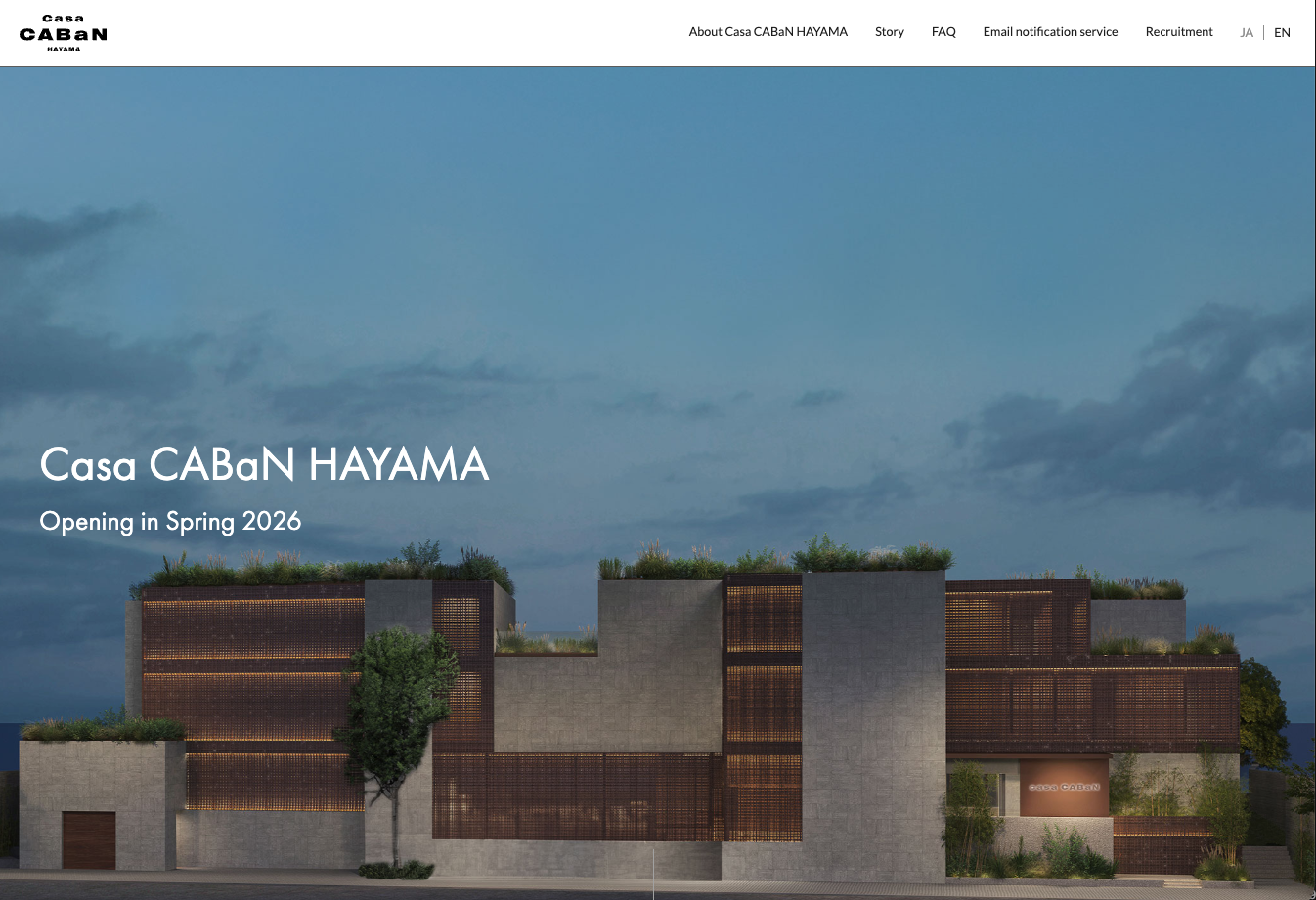
Local opposition peaked in 2021. In November of that year, 170 households in the project area jointly submitted a petition opposing the hotel to both Tomorrowland and the Hayama Town government. Residents cited several objections, the primary one being that the project appeared to violate Japan’s City Planning Act and local regulations: under Kanagawa Prefecture rules, developments covering more than 1,000 square meters must have entrance roads that connect to public roads and measure at least 4 meters in width. The hotel site is roughly 2,200 square meters, but the town roads leading to it are in many places less than 4 meters wide. Hayama Town’s own urban‑planning ordinance, enacted for landscape and safety reasons, requires development roads to be at least 6 meters wide. The existing access roads to the hotel plainly fell short, and no effective widening measures were evident. During construction, frequent heavy equipment movements—up to 25 large trucks per day—used the narrow streets, disturbing the quiet residential area. Residents also feared that once the hotel opened, large numbers of visitors would worsen traffic congestion, damage coastal views, and erode community peace. From the start, the project met determined resistance.
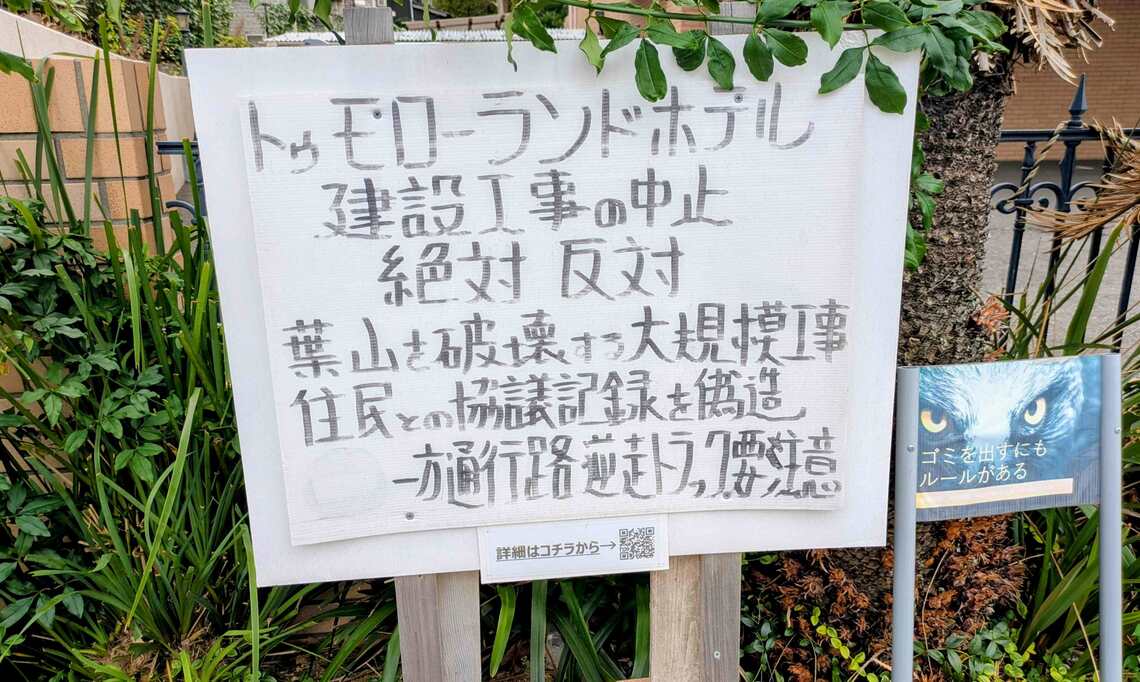
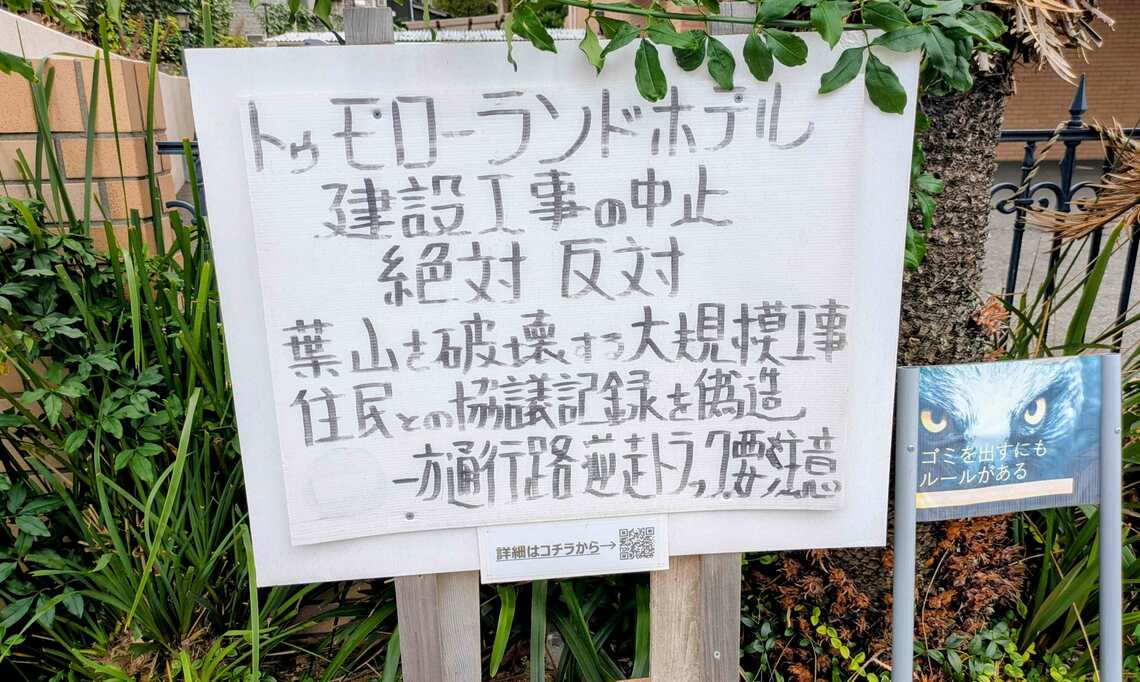
Residents posted protest banners and publicly declared: “Stop Tomorrowland’s hotel construction—firmly opposed! Large‑scale development will ruin Hayama!” Nevertheless, after obtaining government approval, the developer proceeded. Following multiple design revisions and administrative procedures, Tomorrowland secured Kanagawa Prefecture development permission in September 2022. Hayama Town’s mayor nevertheless granted a “special exception” allowing the project to proceed despite knowing about the residents’ petition and the substandard road conditions. In early February 2023, the developer began construction despite protests from nearby residents. During construction the community repeatedly petitioned the prefectural and town offices to revoke the permit and halt works. In February 2023, some residents, through counsel, filed an application with Kanagawa’s development review board seeking revocation of the issued permit. In May, an angry residents’ group held a face‑to‑face meeting with the Hayama mayor to express their grievances. Amid escalating tensions, residents used information‑disclosure requests to reveal potential falsifications in documents submitted by the developer to the town: an allegation arose that a January 2022 submission claimed residents had been consulted about road‑widening cooperation, yet many residents later stated they had never been contacted, casting doubt on the report’s accuracy. Town council member Hisashi Kanesaki (金崎久則) also noted that if approvals were based on false documentation, it would be a grave issue. Tomorrowland replied that it had made inquiries “via acquaintances” and denied any falsehoods, insisting the claims were baseless. At the same time, the company took remedial steps—pointing out it had held communications since late 2019 and, at residents’ request, suspended Saturday construction beginning July 2022.
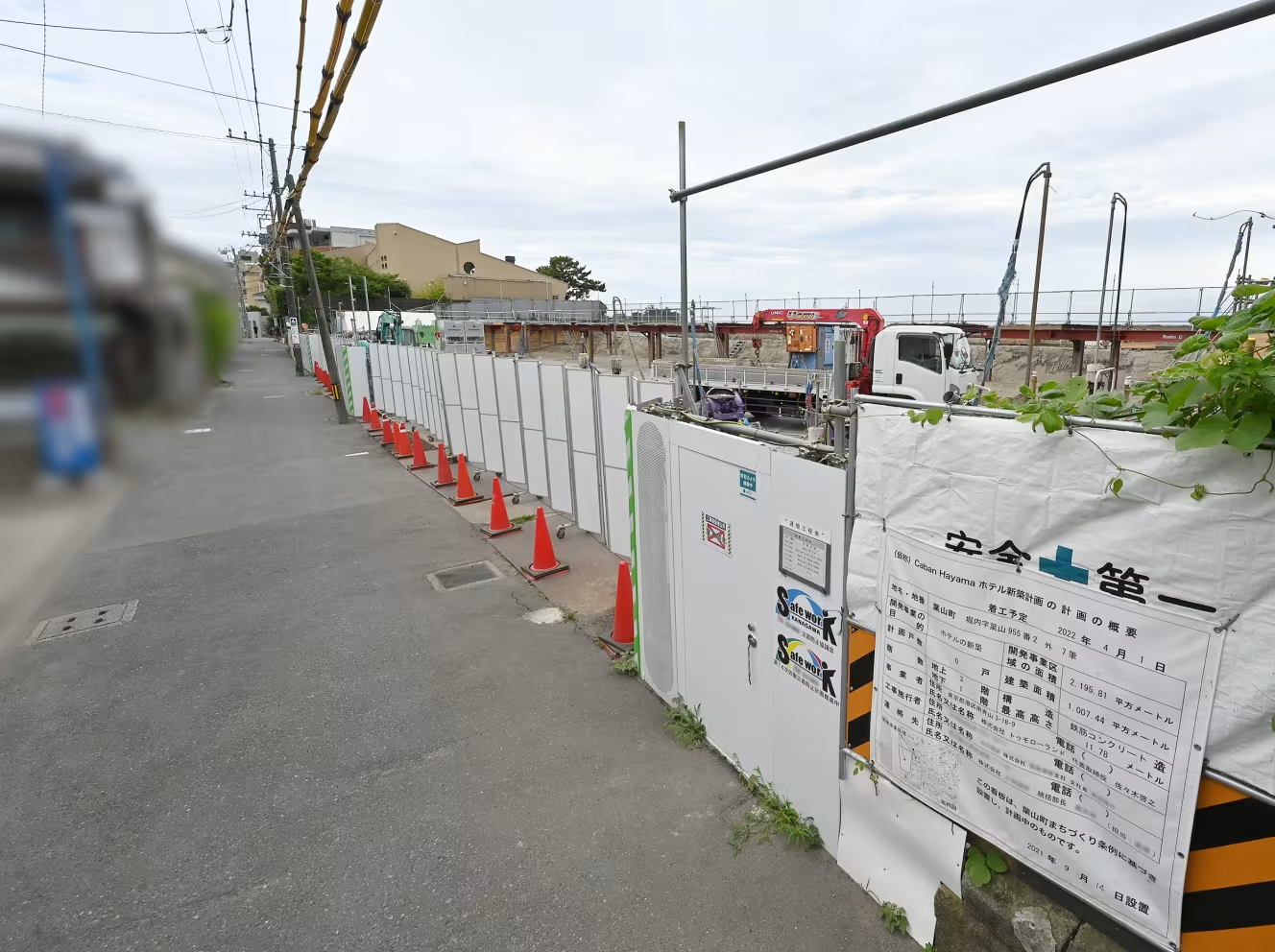
Under sustained resident pressure, the project repeatedly encountered setbacks. In summer 2023 construction traffic damaged a water pipe beneath a nearby road, and residents suspected frequent heavy truck movements were a contributing factor. Thirteen petitions submitted to the town assembly expressed concern about the hotel project and, after heated debate, were adopted—reflecting public pressure. Local residents planned a demonstration against the hotel in August 2023. Faced with powerful opposition, Hayama Town began mediating. From early 2024 the town convened numerous meetings between the developer and resident representatives. The central disputes focused on road‑widening plans and compensation for construction impacts, and negotiations at times stalled. In October 2024, with mediation from the prefectural and town governments, Tomorrowland agreed to hold regular bilateral meetings with neighboring residents to seek compromise. The developer’s softened stance was aided by public scrutiny and media exposure: investigations alleged that Hayama Town officials may have treated the developer leniently in measuring road widths when processing approvals, and prefectural notes in the approval documents that seemed to defer to the town’s judgment—phrases like “if Hayama Town deems it acceptable, then it is acceptable”—raised questions about procedural fairness. Under mounting public pressure, project progress slowed. Although structural work on the hotel was largely complete, Tomorrowland announced in early November 2024 that it would postpone the planned December 15 opening to at least early February 2026, citing that service quality had not yet reached the company’s standards. Observers generally saw the delay as closely related to unresolved community tensions. After several years of dispute, the matter is, for now, paused with the opening postponed, but the rift between residents and developer remains.
Lessons for Investors: Regulatory Compliance, Community Engagement, and Risk Management
The Hayama luxury hotel controversy carries important warnings for real‑estate investors and developers. When selecting projects and managing risk, consider the following lessons:
Regulatory compliance: Strictly adhere to local laws, technical standards, and procedures—do not gamble on shortcuts. In the Tomorrowland case, the developer attempted to advance a large‑scale project despite inadequate road widths; although it temporarily secured a special exception, the underlying compliance issues provoked strong resident resistance. Noncompliance can trigger legal disputes and undermine the legitimacy of a project. Investors should perform full due diligence before committing, ensuring that infrastructure (roads, municipal services) meets requirements or can be feasibly upgraded; do not rely on informal favors or unofficial accommodations—if exposed, such reliance will severely damage credibility and derail progress.
Community engagement: Prioritize stakeholder communication and participation; winning community support is critical to project success. Although the developer held briefings, it was accused of insincere, perfunctory consultations and even of submitting reports that did not reflect genuine resident input. Such practices directly destroy neighborhood trust and escalate opposition. Investors should proactively engage with the community early and listen earnestly to residents’ concerns. For major issues—environmental impact, traffic, noise—present concrete mitigation plans or compensation measures and seek written agreements with residents to alleviate resistance. Transparent, sincere communication will not eliminate all opposition but can significantly reduce the risk of protests escalating into broader social conflict.
Respect policy and planning: Understand and follow local policy directions to avoid clashing with community development objectives. Many areas—especially high‑end residential districts with unique cultural attributes—maintain standards stricter than national norms for landscape protection and building controls. The Hayama case shows that local governments respond to public opinion and may effectively halt projects that contradict the community’s development vision. Investors should study local urban plans, community visions, and relevant ordinances, and respect policy red lines that reflect public sentiment. If a project requires an exception, carefully assess its feasibility and prepare robust public explanations. Pushing a project through in disregard of local policy is likely to trigger opposition and could lead to permit revocation and financial loss.
Risk management: Incorporate community‑relations risk into core investment decision‑making and prepare for worst‑case scenarios. The hotel was originally seen as a value‑enhancing development but, by underestimating local carrying capacity and public sentiment, encountered repeated delays and rising time and financial costs. Investors should evaluate local attitudes, environmental sentiment, and potential NIMBY dynamics when choosing sites. In areas with high NIMBY risk, allocate extra time and contingency funds to manage potential disputes, and be prepared to scale back or redesign projects to secure broader support. Monitor public opinion and media coverage closely, respond to concerns promptly, and adjust strategy early to prevent conflicts from escalating. Robust risk management must cover not only construction and market risks but also social and reputational risks. Hayama’s lesson is clear: even attractive projects can become untenable if community opposition is mishandled. Early planning, proactive engagement, and prevention are essential to align community interests with investment goals and achieve mutually beneficial outcomes.
Sources
[Source: Asahi Shimbun, 2024, https://www.asahi.com/]
[Source: Mainichi Shimbun, 2024, https://mainichi.jp/]
[Source: Nihon Keizai Shimbun (Nikkei), 2024, https://www.nikkei.com/]
[Source: Tomorrowland (corporate site) — Casa CABaN related information, 2024, https://www.tomorrowland.co.jp/]
[Source: Kanagawa Prefecture official site (guidance on development permits), 2022–2024, https://www.pref.kanagawa.jp/]
[Source: Hayama Town official site (town reports, resident briefings), 2024, https://www.town.hayama.kanagawa.jp/]
[Source: Act on the Disclosure of Information Held by Administrative Organs (Ministry of Internal Affairs and Communications), 2024, https://www.soumu.go.jp/]
[Source: Academic papers and reports on coastal development and community collaboration, 2021–2023, major journals and university repositories]
#Hayama #Tomorrowland #CasaCABaNHAYAMA #CoastalDevelopment #JapanRealEstate #NIMBY #CommunityEngagement #DevelopmentPermits #UrbanPlanning #RiskManagement #Urbalytics #DueDiligence #LegalCompliance #SustainableTourism #LocalGovernment