Words: 1315 | Estimated Reading Time: 7 minutes | Views: 28
When buying a new-build tower condo, few people seriously imagine what it will look like 40 years on. But in 2026 Japan can no longer avoid that question—just over 30% of tower condos nationwide are already more than 20 years old, and skylines that once captivated are now increasingly linked to heavy phrases like “insufficient repair reserves” and “gridlock over rebuild approvals.” For cross-border investors who regard tower condos as a steady asset, this is not a distant worry but an imminent “invisible invoice.”
I. The layering of “two forms of aging”: tower condos are entering a concentrated major-repair phase
Japan has no strict legal definition of a “tower condominium”; in the industry it typically refers to for-sale condominiums 60 meters or higher and 20 floors or more. According to Tokyo Kantei (東京カンテイ), as of end-December 2025 there were 1,602 buildings and 421,784 units nationwide. Of these, 625 buildings (about 39%) are 20 years old or more, and 136 buildings (about 8.5%) are 30 years old or more. In other words, more than one in three tower condos in Japan has already entered “middle age.”
Behind these figures lies an unavoidable structural theme for tower-condo investment in Japan—two forms of aging occurring at once. The buildings themselves age physically, while the cohort of unit owners ages demographically. The taller and more systems-intensive the property, the more major repairs to exterior walls, elevators, plumbing, and fire systems rely on specialized methods and high-elevation work—driving unit costs far above those of typical mid- and low-rise condominiums. At the same time, many first-wave residents have entered retirement, with incomes in decline, while repair costs are on a rising curve. The result—“needing more money” just as “contributors’ capacity thins”—turns an engineering problem into a governance problem.
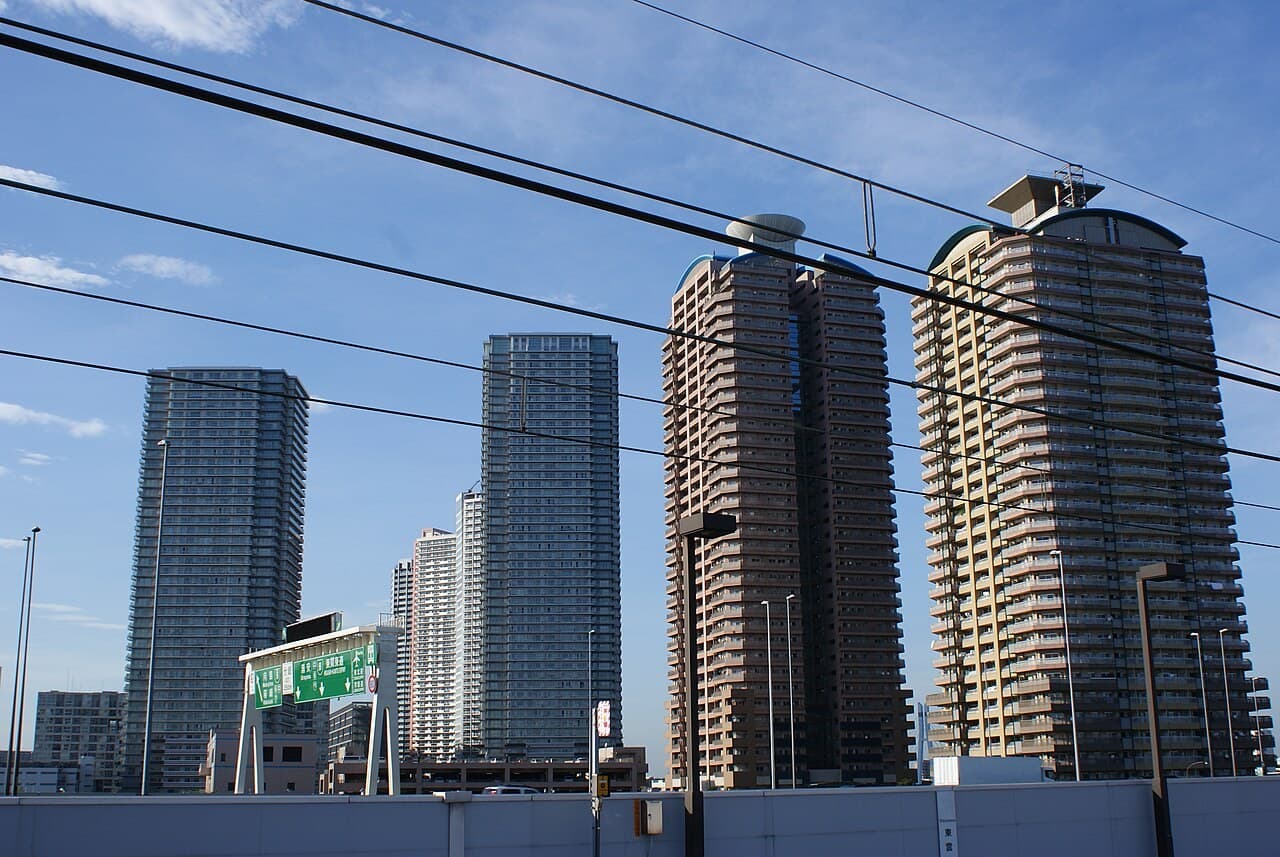
A cohort of aging tower condos across Greater Tokyo
II. Case study: The market price of Japan’s oldest tower condo, Yono House (与野ハウス)
The best way to understand this curve is to examine a sample that has reached its end point. Japan’s oldest known tower condo is Yono House, located in Kamiochiai (上落合), Chuo Ward (中央区), Saitama City, Saitama Prefecture. It has 21 floors above ground, was completed in 1976, and will mark its 50th year in 2026. Total units: 463. Reports indicate that households aged 70 and over now make up a majority—parking spaces have visibly opened up as residents surrender driver’s licenses, and day-service shuttle vans come and go constantly. More units have been converted to rentals, attracting not only younger residents commuting to central Tokyo but also a notable number of foreign tenants. It is a living specimen of the “two forms of aging.”
What’s notable is that Yono House is far from dilapidated. Over 50 years it has undergone four rounds of major repairs—an honor-student frequency by industry standards. More important still is pricing. Urbalytics transaction and listing data show that even at 50 years old, 3LDK closings/asks have been stable in the ¥30 million–¥46.8 million range. In Building 1, an 87.41 m² unit closed in July at ¥46.5 million, implying a price of about ¥1.756 million per tsubo (3.3 m²). A 63.36 m² 3LDK rental comp is about ¥100,000 per month. The reason prices have not collapsed after half a century is location: it is a one-minute walk from Kita-Yono Station (北与野駅) on the Saikyo Line, and eight minutes to Saitama-Shintoshin Station (さいたま新都心駅). This is precisely the value of Urbalytics’ “Property Trends” tool—it visualizes closings, listings, and rental histories for specific buildings, enabling evidence-based judgments of “what’s fair for an older tower condo.”
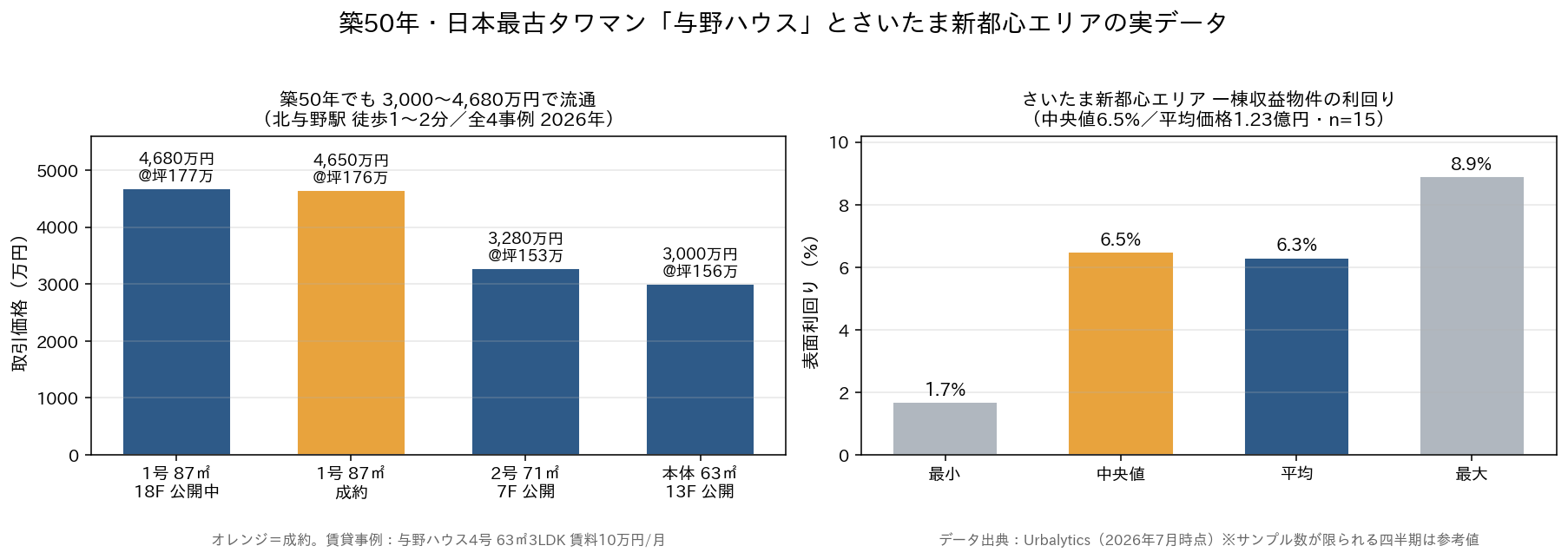
Yono House deal examples and Saitama-Shintoshin yields (Data source: Urbalytics)
III. The real risk lies not in the structure but in consensus-building
While Yono House shows how a superior location can underpin prices, it also exposes tower-condo assets’ most fragile link—decision-making. According to Toyo Keizai Online (東洋経済オンライン), during deliberations for the fourth major repair, a wholesale rebuild was seriously considered. With a location one minute from Kita-Yono Station, asset values post-redevelopment might have multiplied. But the plan met strong resistance from original elderly owners. To receive an equivalent area via exchange, each unit would need more than ¥10 million in out-of-pocket contributions, on top of temporary housing and moving costs during a multi-year construction period. In the end, the rebuild proposal fizzled, and the policy retreated to “palliative repairs.”
This is precisely where investors should be most alert. The fate of a tower condo is determined less by reinforced concrete than by a single vote of the unit owners’ meeting. When investor owners, foreign owners, and owner-occupiers seeking a quiet retirement coexist, their interests can diverge sharply on whether to proceed with major repairs, raise reserve contributions, or rebuild—stalling consensus formation. Cross-border investors need to be especially careful: remote ownership, language barriers, and a stance of “collect rents while avoiding additional cash calls” are, objectively, among the factors that make repair and rebuild motions harder to pass. If repair reserves remain chronically insufficient and debates remain unresolved, the asset on the books will slowly tilt toward the ending Toyo Keizai warns of—“a vast ruin.”
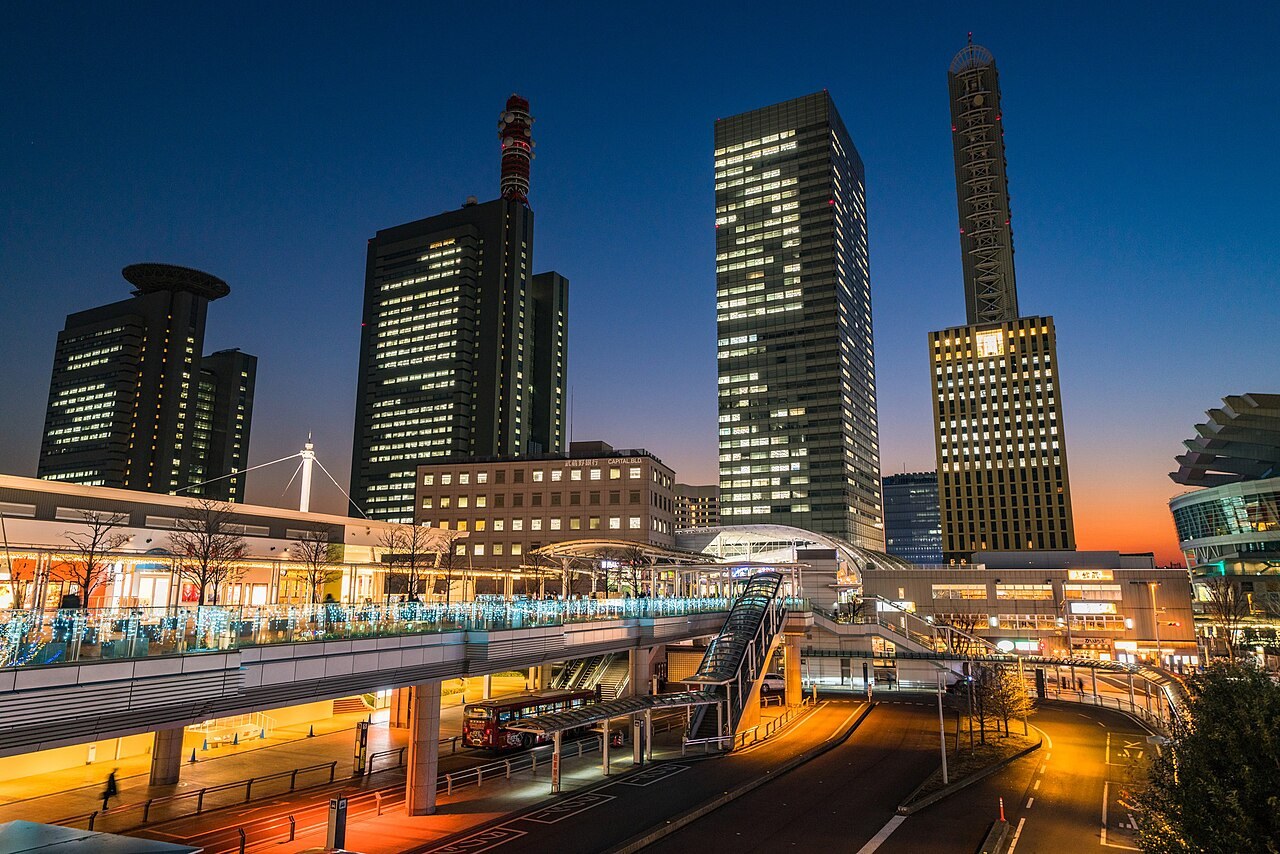
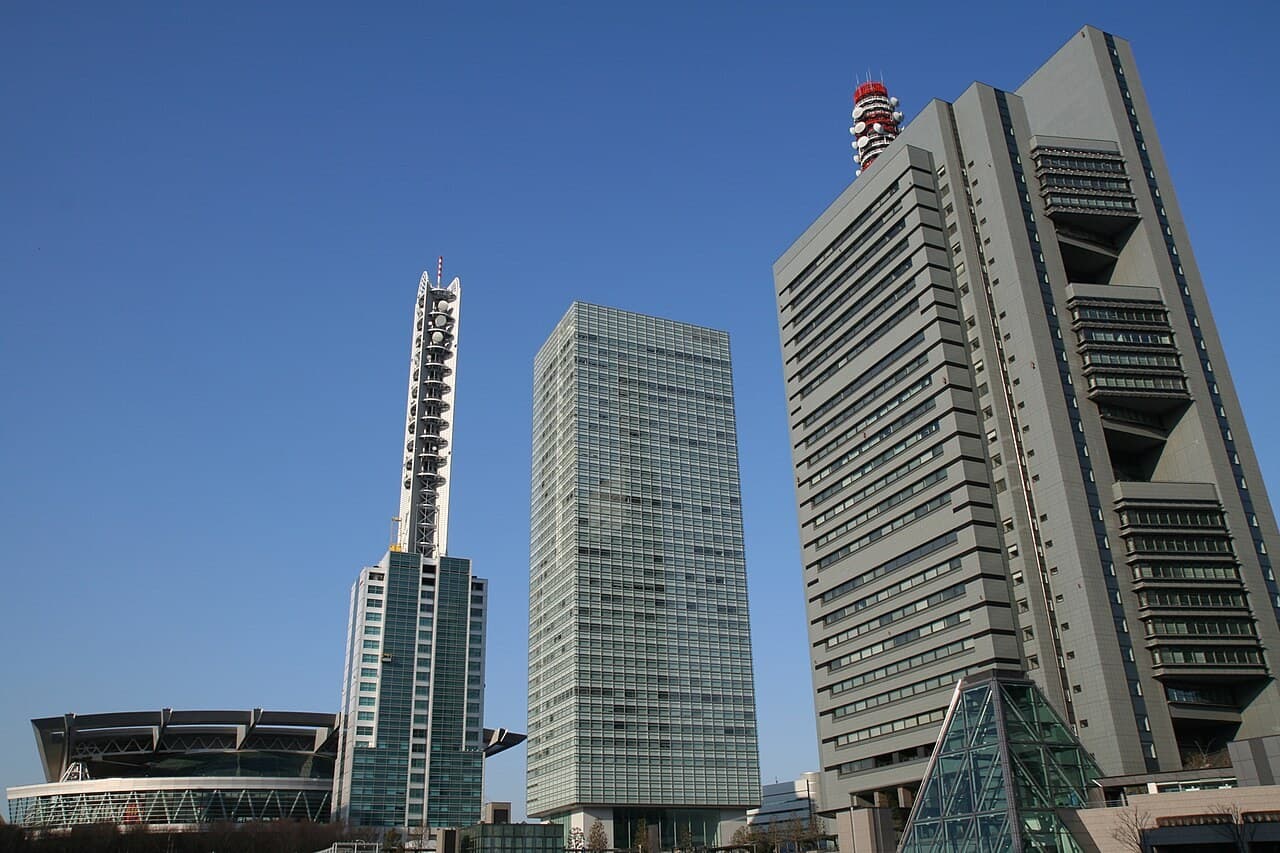
At the core of tower-condo governance is consensus-building among unit owners
IV. Rising costs and market bifurcation: How to avoid the “invisible invoice”
This invoice is getting heavier because two forces are acting at once. First, sustained increases in construction and labor costs mean estimates for second and third major repairs now far exceed the assumptions embedded in many original reserve plans, creating a widespread “planning gap.” Second is the market’s repricing of “whether you will step on a landmine.” Tower condos with good governance, ample reserves, and strong locations are being favored, while buildings with thin accounts, aging residents, and weak consensus-building are beginning to be discounted. This bifurcation shares roots with the “localized bubbles” and polarization in new-build prices in Greater Tokyo flagged by LIFULL HOME’S—capital is converging on “certainty.”
For yield-focused investors, this shifts due diligence forward. Before purchase, do more than check cap rates: scrutinize the long-term repair plan, reconcile the reserve balance with monthly unit contributions, and assess the investor vs. owner-occupier mix. As location reference values, Urbalytics indicates that in the Saitama-Shintoshin area, existing-condo average monthly rent is about ¥126,000, median rent per tsubo (3.3 m²) about ¥2,930, the median gross cap rate for income properties about 6.5%, and the average closing price about ¥123 million (15 samples, July 2026). A good location still provides a solid cash-flow base, but even within the same area, future carrying costs will diverge markedly between buildings with “healthy reserves” and those whose “accounts are depleted.” The true risk premium hides in the repair ledgers that are rarely opened.
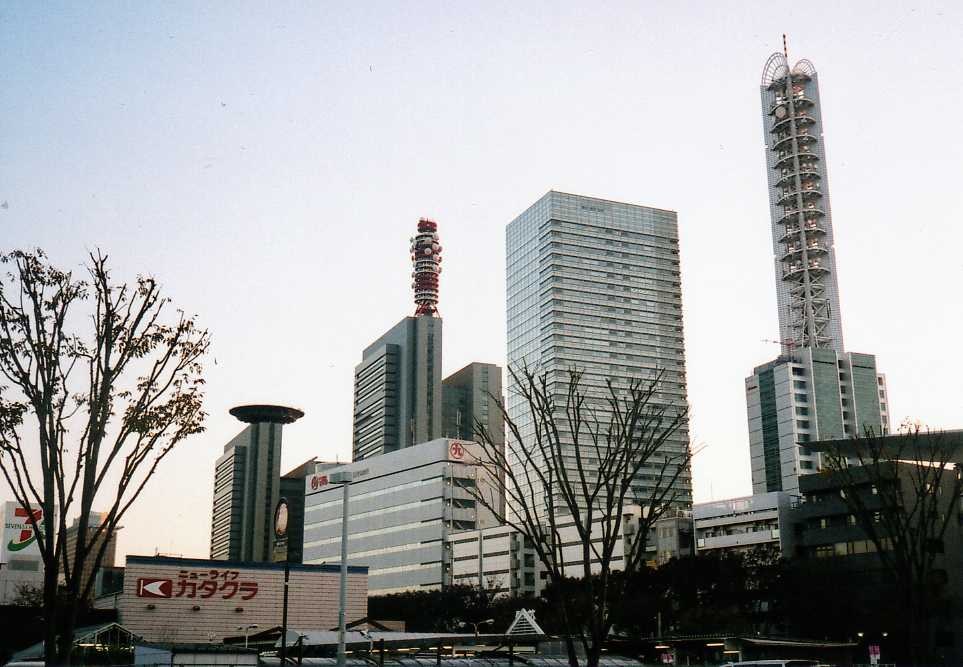
Under rising costs, the segmentation of tower-condo assets is becoming pronounced
Conclusion
A tower condo does not lose its value overnight just because it turns 50—Yono House’s market reality shows that. But it also underscores a lesson: value is supported not only by steel and glass, but by location, governance, and a repair ledger with balanced inflows and outflows. For cross-border investors, it is wiser to thoroughly confirm the long-term repair plan and reserve balance before committing, rather than receiving a thickening “invisible invoice” after purchase. If you want to quickly grasp rent levels, yields, and deal trends in the area where a specific tower condo sits, use Urbalytics to open this “invisible ledger” upfront.
Tags
#JapanRealEstate #TowerCondoInvestment #TowerCondo #RepairReserves #GreaterTokyo #SaitamaRealEstate #SaitamaShintoshin #YonoHouse #MajorRepairs #ConsensusBuilding #CrossBorderInvestment #Yield #ResaleCondo #AssetAging #Urbalytics
References (参考文献)
Toyo Keizai Online (東洋経済オンライン), “With ‘investor and foreign owners’ making consensus elusive, the invisible endgame of tower-condo repair reserves—do they end as vast ruins?”, July 28, 2026, https://toyokeizai.net/articles/-/952214
Tokyo Kantei (東京カンテイ), National Tower-Condo Stock Statistics (via Toyo Keizai), end-December 2025
LIFULL HOME’S, New-Condo Price Survey / Views on Greater Tokyo Rents and Polarization (via Kenbiya (健美家)), July 28, 2026, https://www.kenbiya.com/ar/ns/research/price_trends/10384.html
Urbalytics internal transaction, rent, and yield data (Yono House property_trends; Saitama-Shintoshin rent_stats / building_cap_rate_stats), June–July 2026, https://www.urbalytics.jp
Copyright: This article is original content by the author. Please do not reproduce, copy, or quote without permission. For usage requests, please contact the author or this site.