Words: 1782 | Estimated Reading Time: 9 minutes | Views: 16
The same-day license revocations in two jurisdictions revealed a ¥288.1 billion hole. What this exposes is not the Narita plot itself, but several items the Real Estate Specified Joint Enterprise Act (不動産特定共同事業法) has never required to be disclosed.
On September 1, 2026, Osaka Prefecture and the Tokyo Metropolitan Government, on the same day, respectively revoked the business licenses of the operator and the distributor of the real estate fractionalization product 'Minna de Ooyasan (みんなで大家さん)'. A brand that had attracted more than 70,000 investors nationwide with a touted 7% annual yield and raised over ¥200 billion effectively reached its end the moment both licenses were revoked.
For cross-border investors considering Japanese real estate fractionalization products—or those newly persuaded by pitches such as 'own remotely, no management, stable 7%'—this case is worth unpacking layer by layer. The real lesson is not how big the number is, but what the system allows.
1) Narita: A stage of repeated promises that never broke ground
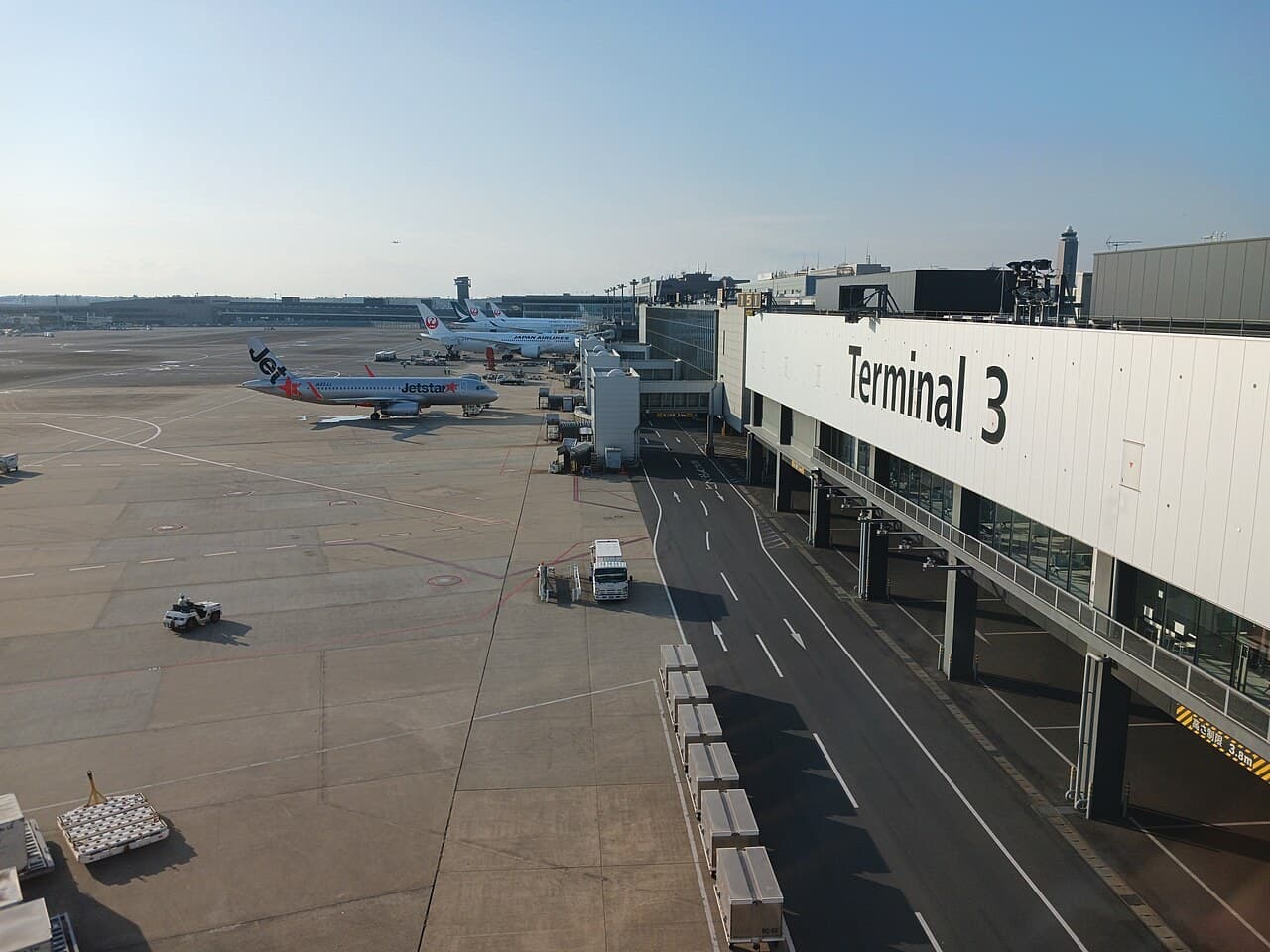
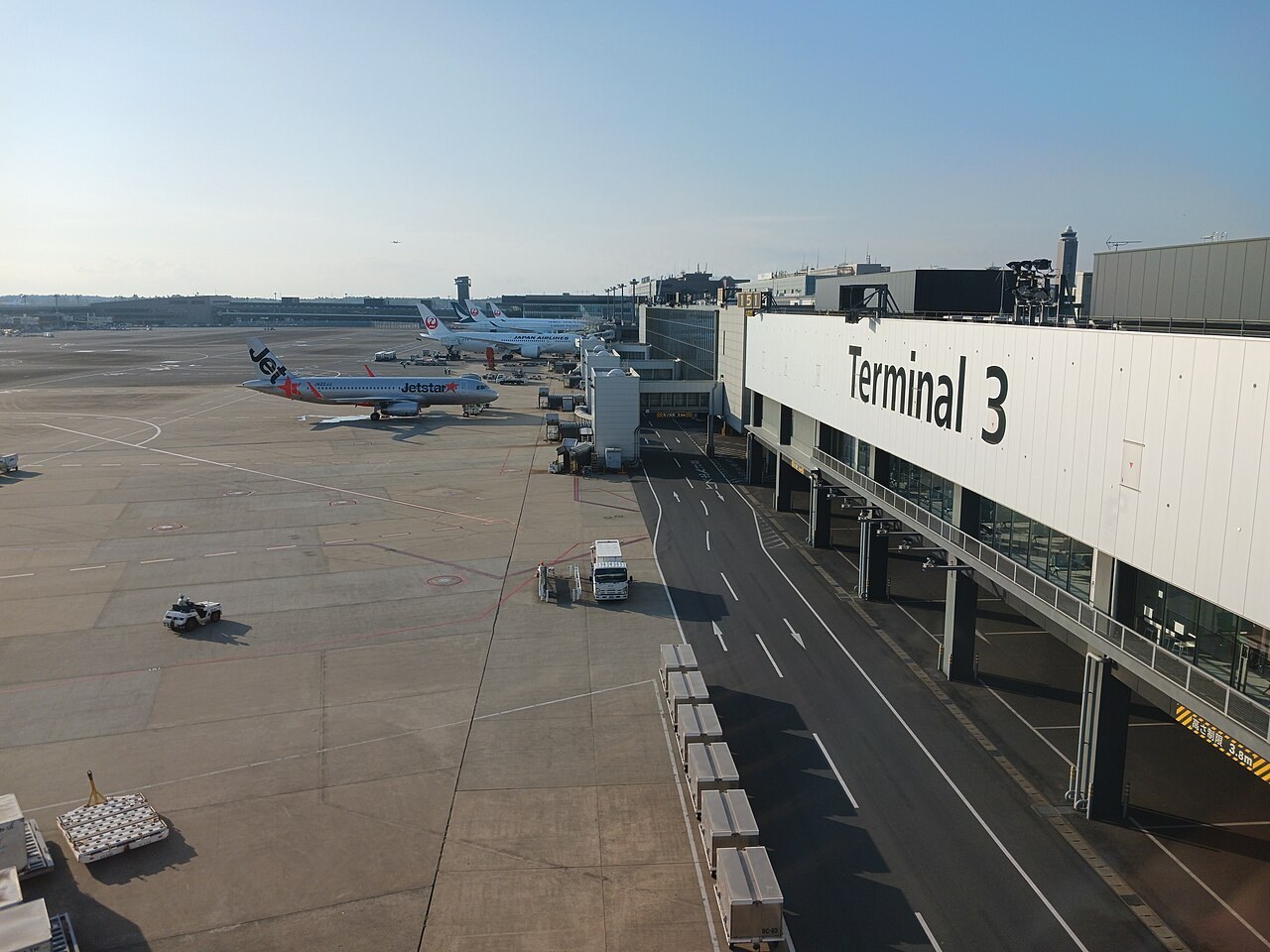
To understand this incident, start with Narita. As Japan’s international air gateway, the area around Narita International Airport has long been viewed as a development story waiting to be told: the third runway and airport enhancement plans are on the table, cross-border e-commerce is boosting logistics and warehousing demand, and land prices remain far below central Tokyo.
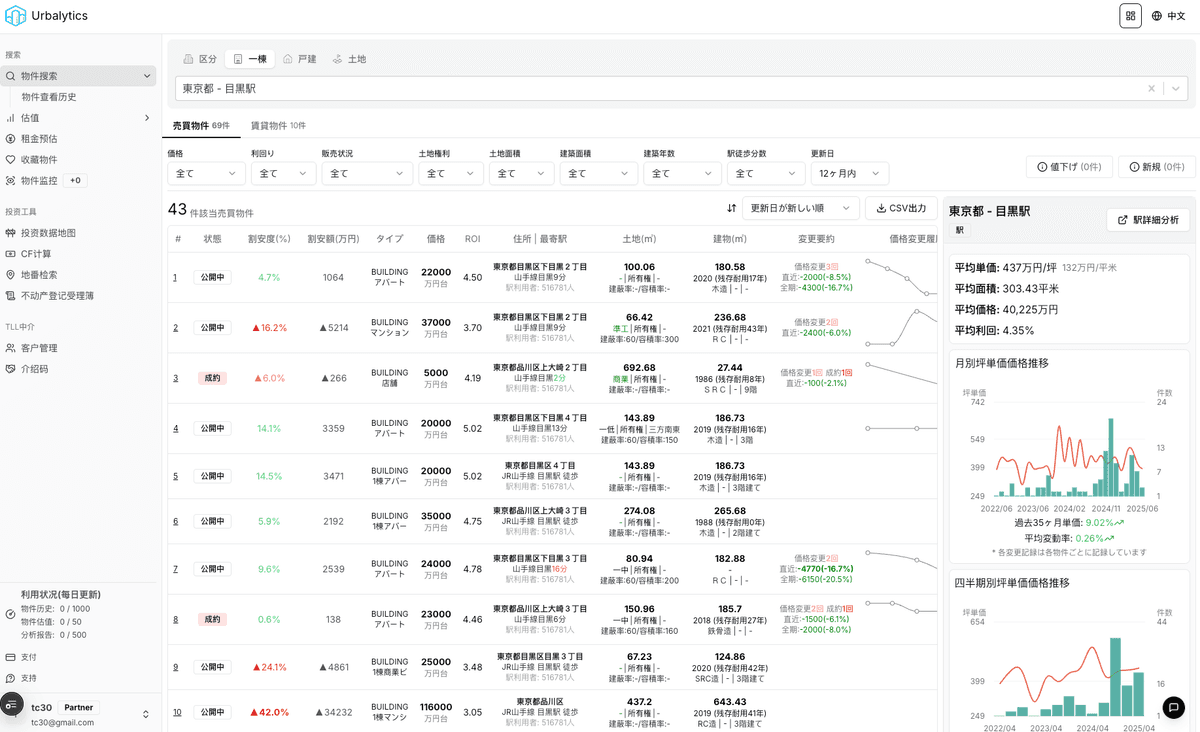
The logic is not absurd. Urbalytics data show that, among listings of whole-building income properties (一棟収益物件) around Narita Station, the median gross yield (表面利回り) is about 10.0%. The average transacted unit price per tsubo in Q3 2026 is about ¥561,000/tsubo, up a cumulative 8.68% from Q3 2025—this is a market with real cash flow and gradual appreciation.
The problem is that the 'Narita Series' products pointing to the 'Narita Gateway Project (成田ゲートウェイプロジェクト)' never turned that logic into a building.
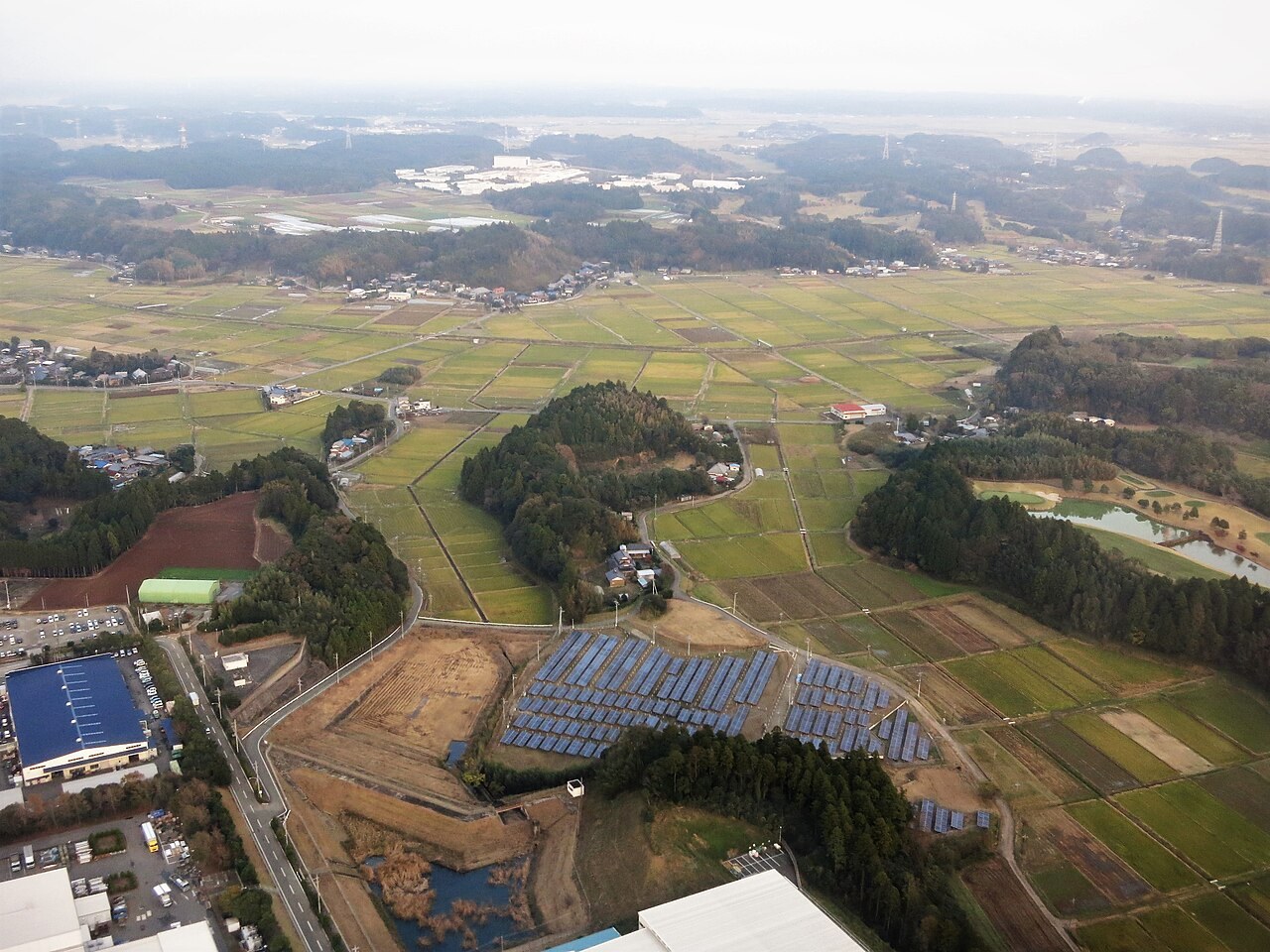
According to on-site reports by the Rakumachi News editorial team, the planned development site showed virtually no change between shoots in February 2024 and August 2026. The premise underpinning the entire concept—the ground lease with Narita International Airport Corporation (NAA)—expired at the end of November 2025 and has never been renewed. In other words, investors bought a Narita story, not a Narita asset.
2) September 1: Two authorities pulled two licenses on the same day
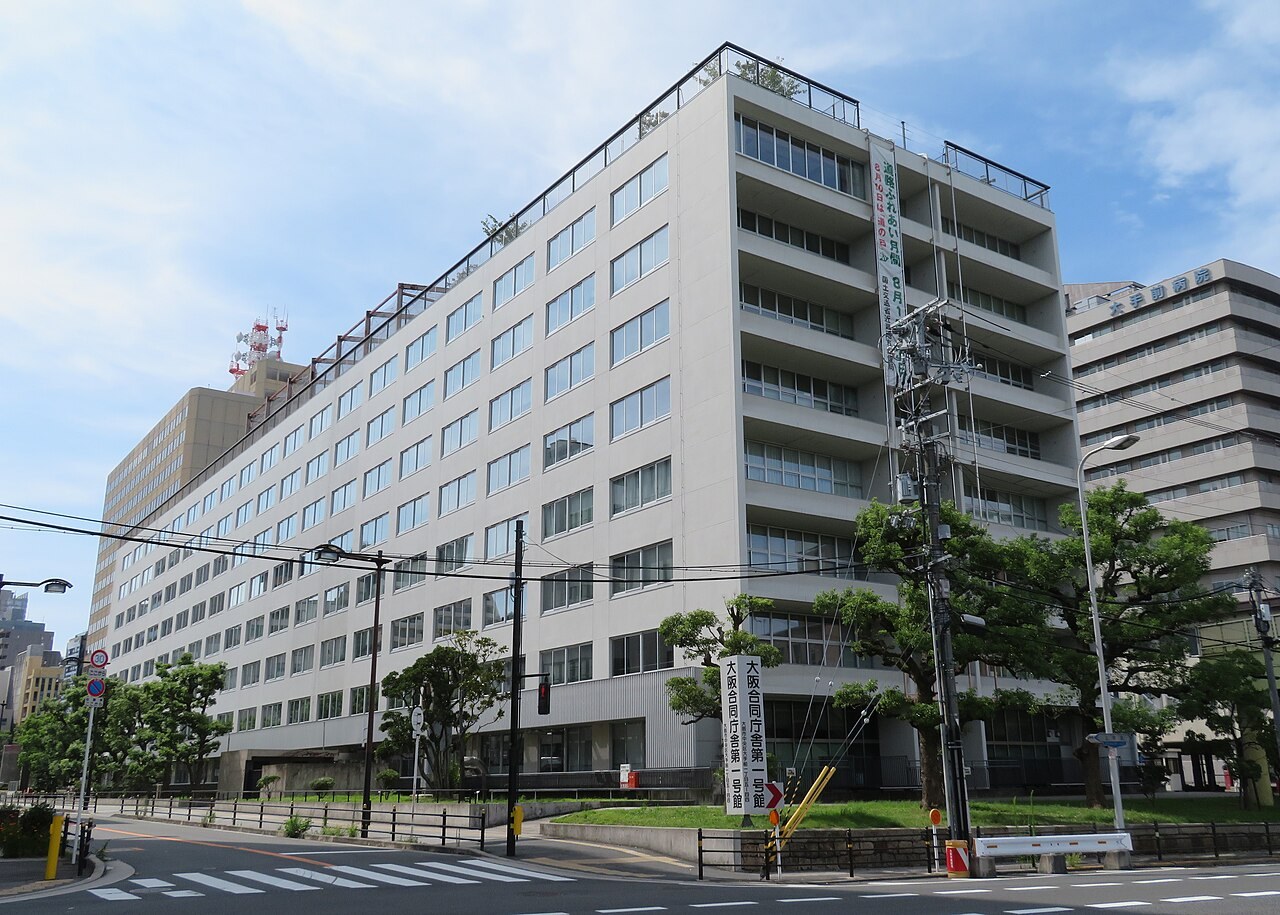
The two licenses were revoked by different authorities for different reasons. Osaka Prefecture revoked the operator 'Toshi Soken Invest Fund' license; the Tokyo Metropolitan Government revoked the distributor 'Minna de Ooyasan Hanbai' license.
Osaka Prefecture cited two statutory grounds. First, violation of capital requirements (Real Estate Specified Joint Enterprise Act, Article 36, item 2): the company’s FY2025 business report, filed in July 2026, showed balance sheet net assets of negative ¥288.1 billion, failing even to meet 90% of its stated capital of about ¥2.9 billion (≈¥2.6 billion), thereby breaching the licensing standards outright.
Second, violation of a 'particularly serious nature' (Article 36, item 5), which points not to the finances but to the concealment itself—detailed below.
What truly makes 'repayment' meaningless is the absolute scale of funds. Investors past maturity but unpaid total 7,511 people, about ¥18.8 billion; those not yet due total 65,269 people, about ¥172.4 billion. Combined, that is just over 70,000 investors and about ¥191.3 billion with exhausted principal repayment capacity.
As of end-June 2026, the company’s cash and deposits were only ¥92.41 million, equal to 0.05% of the combined amount above. Osaka Prefecture therefore concluded that repayment is in an 'extremely difficult condition'.
Even if the full market value of its owned real estate reported in disclosures—¥31.4 billion—were liquidated, there would still be a gap of more than ¥150.0 billion versus the ¥188.5 billion of principal to be returned—implying a rough recovery of only about 16% of principal. The company’s assets have been attached multiple times; a parcel in Osaka’s Chuo Ward was hit with a provisional attachment order of about ¥12.0 billion in May 2026.
Investors bought a Narita story, not a Narita asset.
3) The structural gap: What the Act never required to disclose
Reading this as merely 'a company faked it' misses the more important point. The sharpest passage in the administrative disposition explains how the framework was legally skirted.
The operator, knowing that tenants under products such as 'Minna de Ooyasan Narita No. 13' had not paid rent, nonetheless recorded false statements in the pre-contract disclosure documents (契約成立前交付書面) and continued sales, raising over ¥600 million. Crucially, the representative director’s motive was found to be that disclosing rental arrears would 'heighten reputational risk and severely impair large-scale fund-raising via bond issuance'; he therefore refrained from even notifying internally.
The result was that frontline sales continued processing subscriptions in total ignorance. On the distributor side, the failing was inaction—despite knowing the tenant had not paid rent, it did not investigate and delivered/explained documents likely to mislead investors, raising over ¥1.4 billion, and repeated the same violation even after an administrative instruction in 2024.
So why did this continue until the day the licenses were pulled? Because the Act itself does not compel disclosure of the following:
First, the basis for projected yields need not be disclosed. In legal terms, the operator has no obligation to prove where the '7% per annum' figure comes from.
Second, the appropriateness of the target property’s price need not be third-party verified; the issuer can effectively mark the land or building as it sees fit.
Third, the use of proceeds need not be disclosed. From the paperwork alone, investors cannot tell whether their cash bought assets or backfilled prior distributions.
Fourth, the appropriateness of related-party transactions need not be disclosed. In this case, the parent company 'Toshi Soken Invest Bank' led an overseas issuance of 'insured bonds', and the underwriter of the initial US$250 million tranche was the company itself—a textbook related-party transaction. The issuance, slated to complete in October 2025, ultimately did not close.
Fifth, funding plans for development-type products need not be disclosed—allowing lethal facts such as 'the land lease has expired' to sit outside investors’ field of view.
Risk disclosure The risk in fractionalized products was never 'what yield is printed' but whether you can verify that yield. When the projected-yield methodology, asset valuation, actual use of funds, and related-party pricing all sit outside mandatory disclosure, the '7%' in investors’ hands is a promise, not a verifiable fact. If you read the annual rate as a risk indicator, you are facing the wrong direction from the start.
4) Investor lens: 7% on paper vs. 10% on bricks-and-mortar
Back to utility: what should an investor seeking stable cash flow in Japan take away?
Start with the yield frame of reference. Urbalytics data show that, in the Narita Station area, 61 listed whole-building income properties have a median gross yield of 10.0% and an average of 10.52%, ranging from 4.0% to 32.1%. The average asking price is about ¥56.66 million, corresponding to average annual rent of about ¥4.84 million.
In other words, in a market anchored by real assets, leases, and registries, around 10% is the median, and 7% is not even compelling. When a paper product that need not disclose its formula posts a figure below the area’s physical-asset median, the price is buying not yield but 'convenience'.
The rent side warrants calibration as well. Urbalytics leasing statistics indicate that, in the Narita Station area, whole-building assets show average monthly rent of about ¥323,000 on average floor area of about 200.9 m², with a median rent of about ¥2,660 per m². Unit-price trends have been soft in recent quarters, but because some quarters have as few as two samples, these should be treated as reference values, not definitive trends.
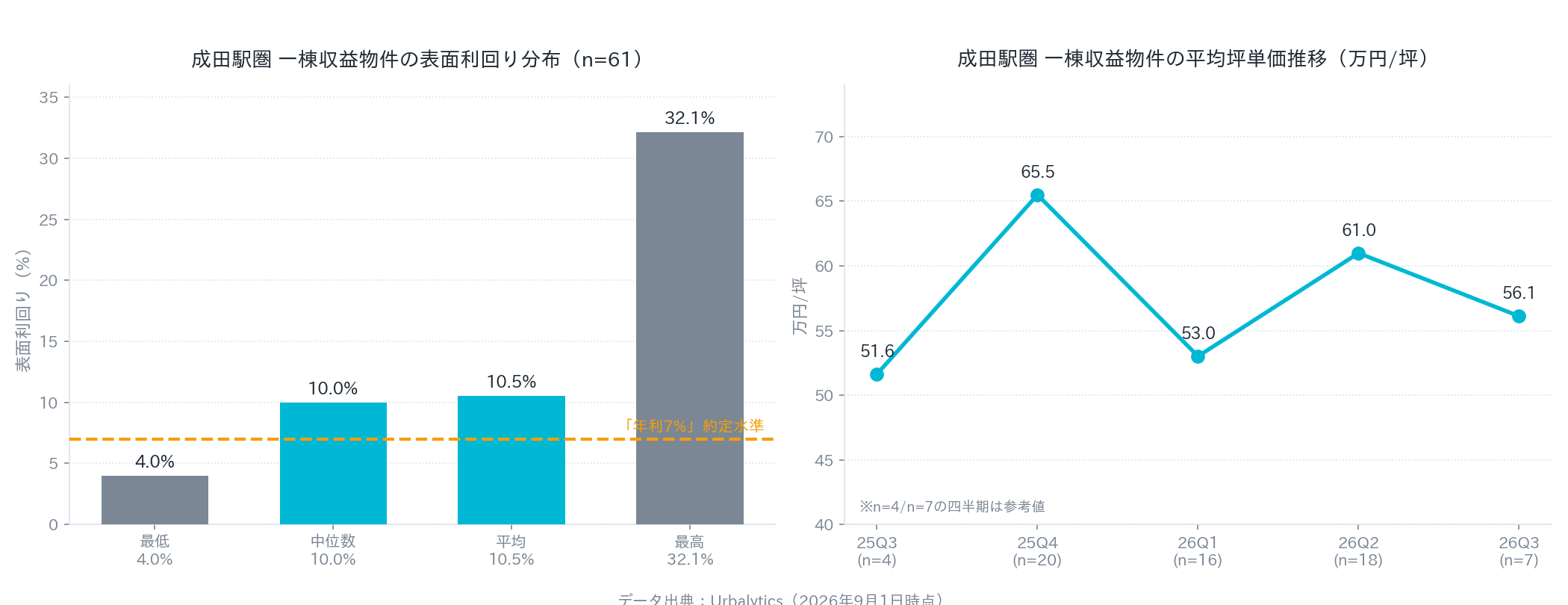
Urbalytics Insights Urbalytics can underpin this type of judgment because it is not survey- or sentiment-based. It aggregates actual listings and transactions, and leasing records, then computes distributions: the 61-sale-sample yield range and the 22-lease-sample median unit rent can each be traced to a specific address and property. Because the sample size is explicitly shown, readers can judge which quarters are merely reference values and which constitute a trend—precisely what a fractional product’s 'projected yield' cannot provide.
Conclusion: Swap '7%' for three actions you can verify yourself
This case will not end with two revoked licenses. Roughly 2,500 investors nationwide are pursuing a collective action totaling about ¥23.2 billion; the Osaka District Court has already ordered refunds totaling about ¥800 million across three rulings. The operator scarcely contests the repayment obligation, instead requesting installment plans on grounds of cash flow. The next focal points are whether the operator and its parent will enter bankruptcy, civil rehabilitation, or special liquidation.
Policy will not stand still either. When a product that raised roughly ¥200 billion can, within the regulatory framework, legally avoid disclosing the basis of its projected yield, asset valuation, and related-party transactions, reform pressure is only a matter of time. Expect disclosure of the basis for projected yields and related-party dealings to sit at the core of the next round of Real Estate Specified Joint Enterprise Act discussions.
But for investors, waiting for reform is not a strategy. Until then, three immediate and effective safeguards are: review the operator’s annual financial statements for net assets rather than merely distributions; request the calculation basis for projected yields and market-value materials for the target assets—treat non-provision as a red flag; and map out related-party structures, especially 'self-underwriting' arrangements.
None of these are fun, but they are the last line of defense. If you want to benchmark yields and rent levels for an area using actual listings and leasing records before you act, Urbalytics’ area yield and rent tools can give you that frame of reference in minutes.
#みんなで大家さん #RealEstateSpecifiedJointEnterpriseAct #Narita #ChibaInvestment #Tokyo #OsakaPrefecture #AdministrativeSanctions #RealEstateFractionalization #RealEstateCrowdfunding #InvestmentRisk #JapanRealEstate #GrossYield #DueDiligence #Urbalytics
References
- Rakumachi News, 2026, 'Minna de Ooyasan'—Osaka Prefecture and Tokyo revoke licenses; liabilities exceed ¥288.1 billion, https://www.rakumachi.jp/news/column/405953
- Yomiuri Shimbun Online, 2026, Two firms related to 'Minna de Ooyasan': Osaka Prefecture and Tokyo revoke business licenses; operator faces difficulty in repaying investors, https://www.yomiuri.co.jp/national/20260901-GYT1T00331/
- Asahi Shimbun, 2026, 'Minna de Ooyasan' distributor and operator: Tokyo and Osaka Prefecture revoke business licenses, https://news.yahoo.co.jp/articles/d650263d28e9d711ec55a097a825762826aefc43
- Mainichi Shimbun, 2026, 'Minna de Ooyasan'—Osaka Prefecture revokes operator’s business license, https://news.yahoo.co.jp/articles/b0be1477cdf9b1fca7b10dd50fc2de44e6d40bc2
- Kansai TV, 2026, Real estate fund 'Minna de Ooyasan' effectively ends operations: negative net worth and failure to honor redemption promises, https://news.yahoo.co.jp/articles/da595b32e1690211ccf72874b8c05049d77795a6
- e-Gov Law Search, Real Estate Specified Joint Enterprise Act, https://laws.e-gov.go.jp/law/406AC0000000077
- Urbalytics (internal data: Narita Station area whole-building income properties—gross yield, price per tsubo, rent statistics, as of September 1, 2026), https://www.urbalytics.jp/