Words: 1496 | Estimated Reading Time: 8 minutes | Views: 53
This house was once listed as a demolition liability attached to the land, yet ultimately sold on the strength of the building’s intrinsic value.
1) A House Priced as a 'Demolition Cost'
In Japan’s secondary housing market, an almost axiomatic pricing rule applies: once a wooden house exceeds its 22-year statutory useful life, the 'building' line on the appraisal effectively goes to zero. What remains is the land value, and any structure on it is often further discounted by the estimated demolition cost.
'With old house attached' (furuya-tsuki) in listings signals exactly that. It does not describe a home; it warns buyers there is an obstacle on site that will cost money to remove.
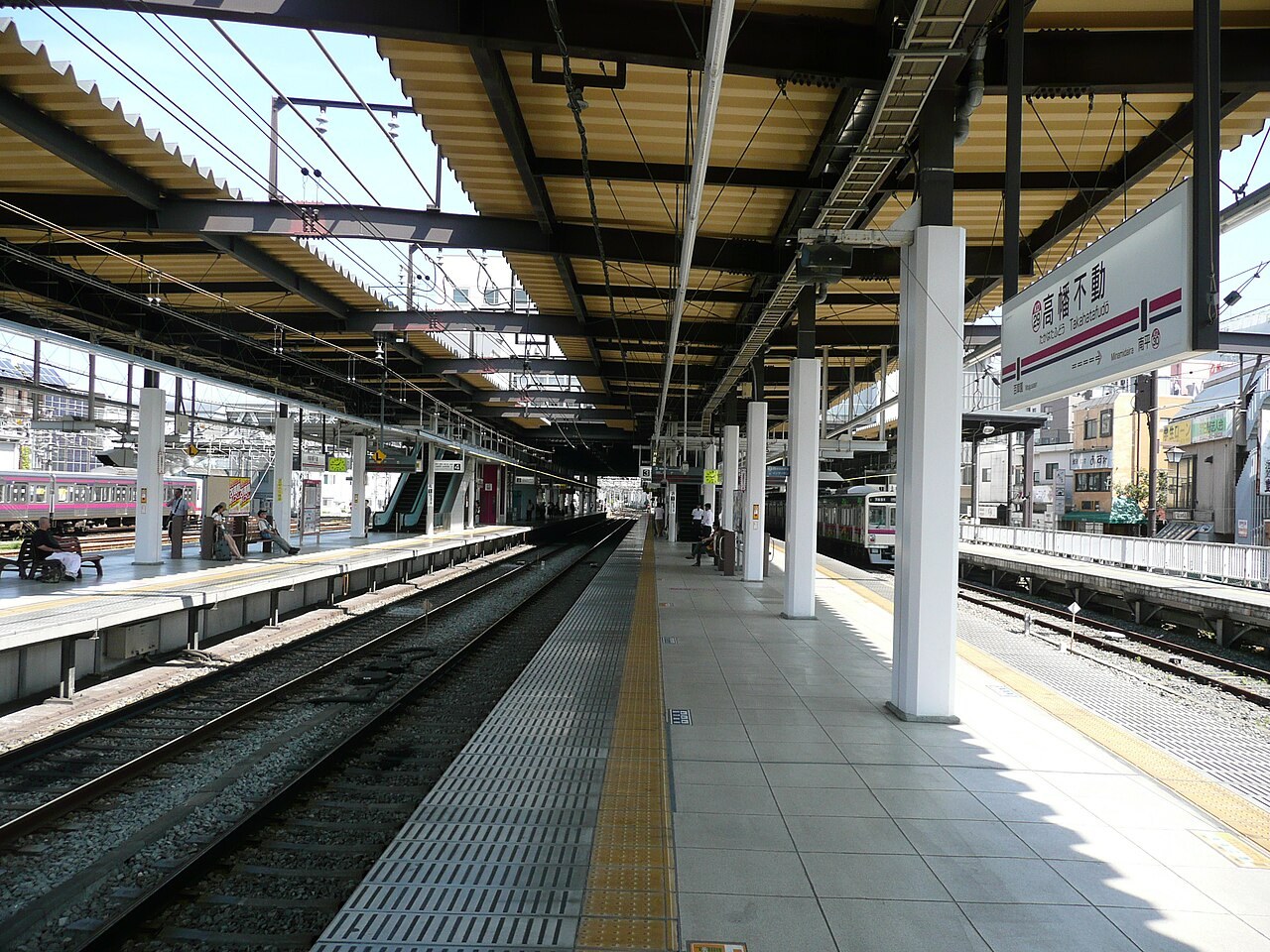
A case published by Kenbiya on August 24, 2026 documents this rule being overturned in the field. On an elevated subdivision in Hino City, Tokyo, a detached house built in 1984 had been circulating on the market as 'land with old house attached.'
The buyers were the design firm studio9X and Souzou-kei Real Estate, engaged by a family seeking land to build in Hino. After visiting the site, they discovered the 'old house' was a work fully conceived and executed by architect Dan Miyawaki.
According to design lead Yu Noto, the house had long appeared by name in Miyawaki’s project chronology, but its location remained unknown. The brief flipped: instead of buying land to build new, they would buy the land, correct settlement, and renovate the existing building.
For investors, the takeaway is not the celebrity anecdote but the spread between listing language and real, on-site value—large enough here to account for an entire building.
2) The True Cost of This Site Is Written Into the Retaining Wall
Dan Miyawaki was renowned in the 1970s–80s for housing and subdivision planning. The 'Takahata Kashimadai Garden' subdivision in Hino dates to 1984, placing 54 detached houses along a sloped road that terminates at a park.
The road employed the Dutch-origin woonerf (living street) concept: a deliberately meandering carriageway to calm speeds, planted buffers separating vehicles from pedestrians, and no utility poles along the street.
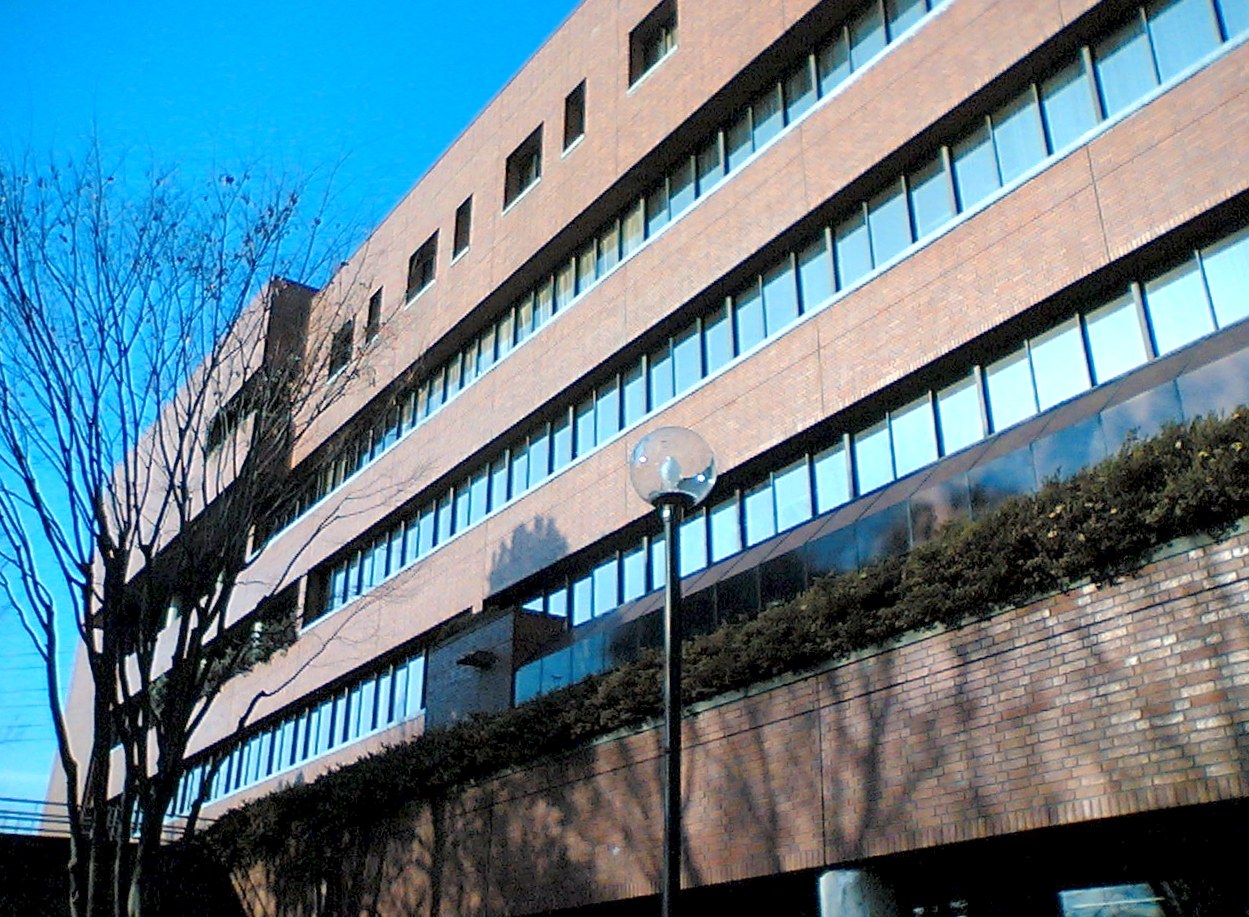
Uniform paving for roadway and lots visually blends private and public realms, with pocket plazas and alleys interspersed. This degree of planning intensity was rare among mass-produced suburban subdivisions of the era.
But a sloped site’s ledger has two pages, and one is underground. The tract tilts downward to the north, with homes set atop later-built retaining walls. The issue lay within the wall: the walls, built by Kajima Corporation, were structurally sound; it was the backfill behind them that had settled.
Because heavy machinery could not access the slope, the team used manual excavation beneath the foundations and installed additional concrete piles—an underpinning approach. Keeping costs within budget is what made renovation, rather than teardown, viable.
This applies broadly to buyers considering sloped properties across Greater Tokyo: stone and concrete retaining walls from the high-growth Showa era have seen increasing failures from aging and storm-driven hydrostatic pressure, with incidents concentrated in the Tama Hills and across Yokohama.
Liability is the bigger headache. If a retaining wall failure affects neighbors, responsibility rests with the owner; repair and third-party damages can far exceed the asset’s value—an off-balance contingent liability you will not see on the property flyer.
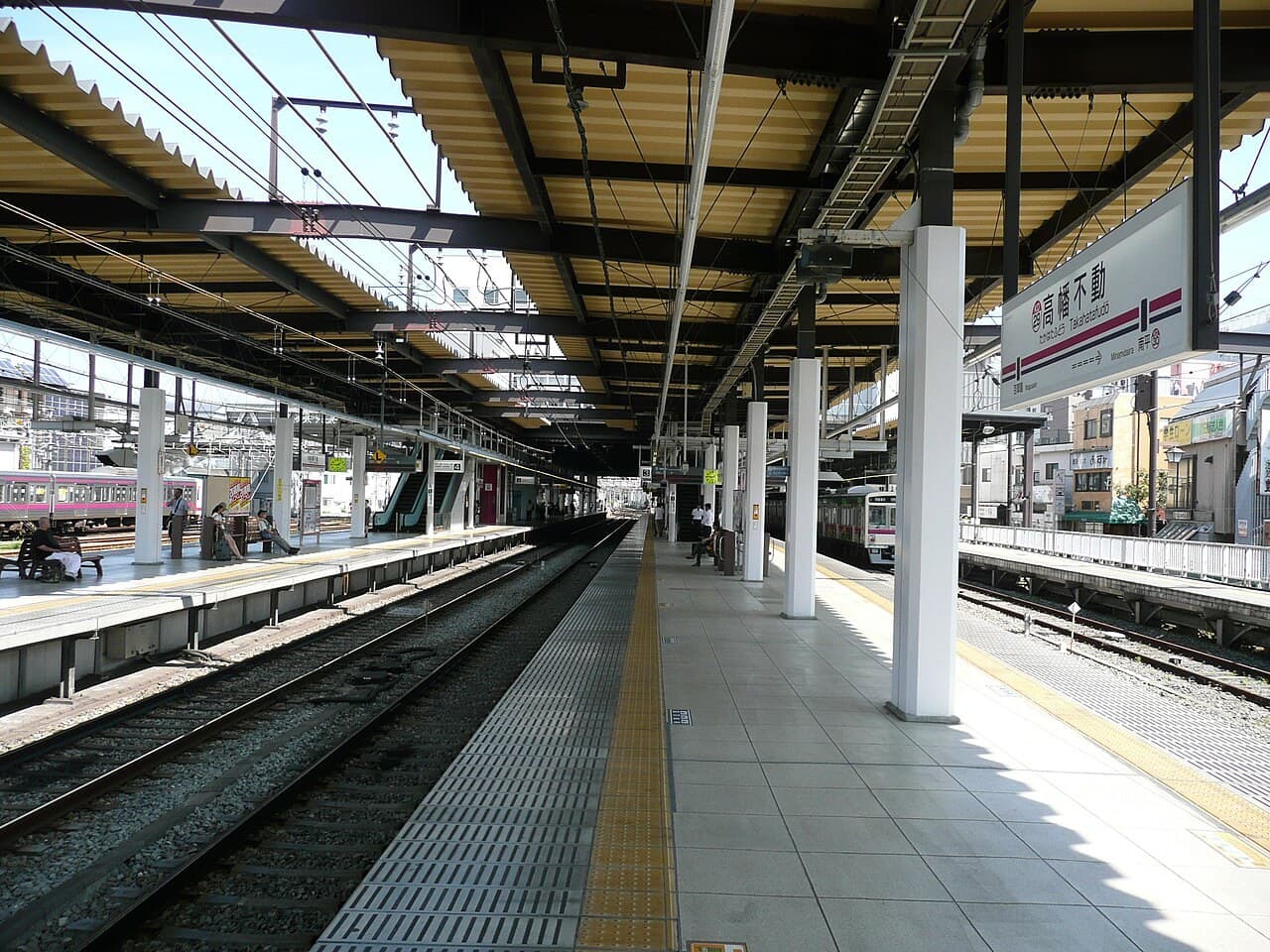
3) Urbalytics Data: Where the Takahatafudo Station Area Really Sits
Zooming out from the single house to the whole station area puts numbers in context. Urbalytics rental and whole-building cap rate statistics for Takahatafudo reveal a suburban market long overlooked but with resilient fundamentals.
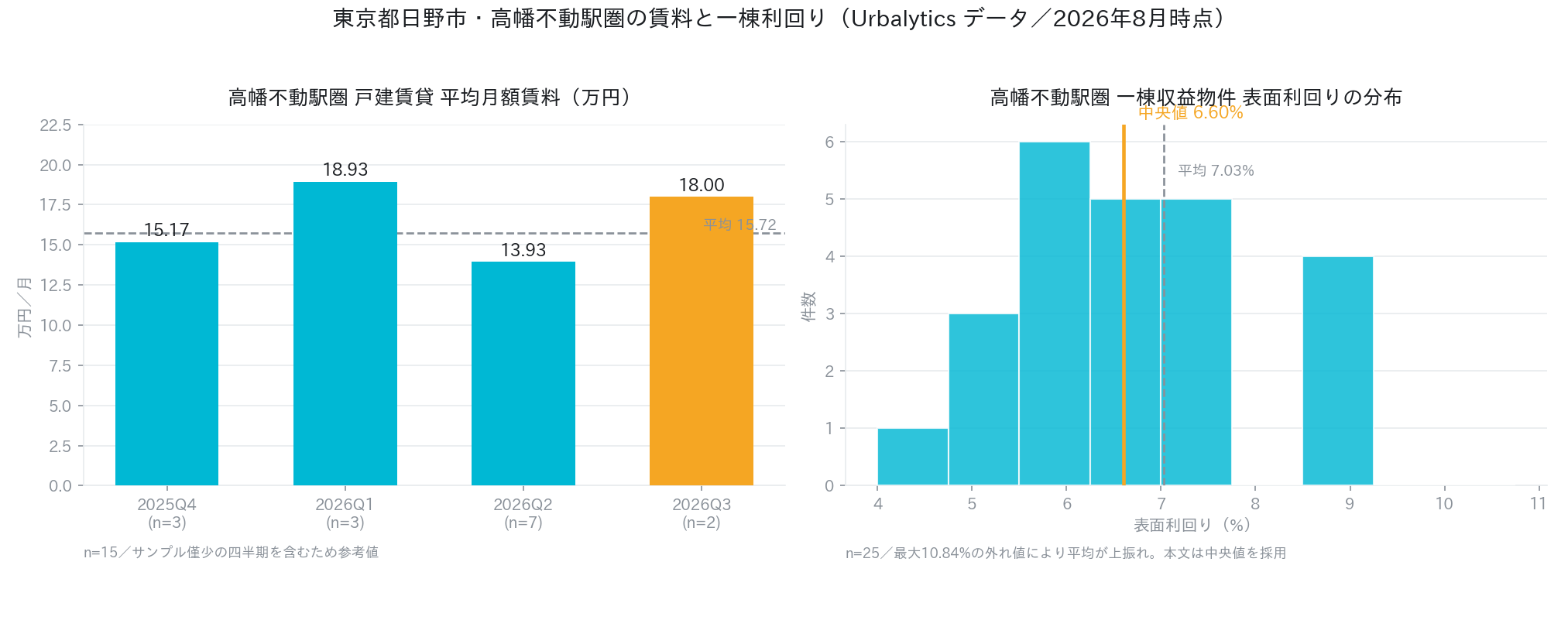
For rented detached homes, there are 15 samples: average monthly rent ¥157,200, average floor area 98.14 m², and a median unit rent of roughly ¥1,472/m². Quarterly averages ranged from ¥139,300 to ¥189,300, a cumulative change of just −1.89%.
Note that in two quarters sample sizes were only 2–3, so treat them as indicative; the read-through is stability in this price band, with none of the rent cliffs common to many suburban markets.
On whole-building income properties, 25 listings show a median gross cap rate of 6.60% (average 7.03%). Median is the correct lens: a top outlier at 10.84% skews the mean upward and would overstate the market if cited alone.
Urbalytics Insight More notable is the vintage of those 25 assets: the vast majority were built between 1983 and 1997, almost coinciding with the 1984 subdivision date of Takahata Kashimadai Garden. The entire station area is entering its first large renewal cycle in unison, yet a 6.60% median cap suggests pricing still follows a 'land with old house' logic.
By contrast, the renovated residence exceeds 147 m². The first floor has a family room facing the garden, a dining room with built-ins, a storage room, and a children’s room; the second floor offers a primary bedroom, two tatami rooms, and a study shared by the whole family. Versus the station area’s 98 m² average detached rental, its living specification sits clearly above market supply.
4) 'Sumitsugu'—to live on and pass down—is becoming something the market can price
The renovation took a restrained path: bathrooms and kitchen were fully renewed due to equipment age, and the gas cooktop was replaced with IH. Otherwise, as much as possible was left intact. Where aluminum joinery is now common, this house retains extensive timber elements—all preserved.
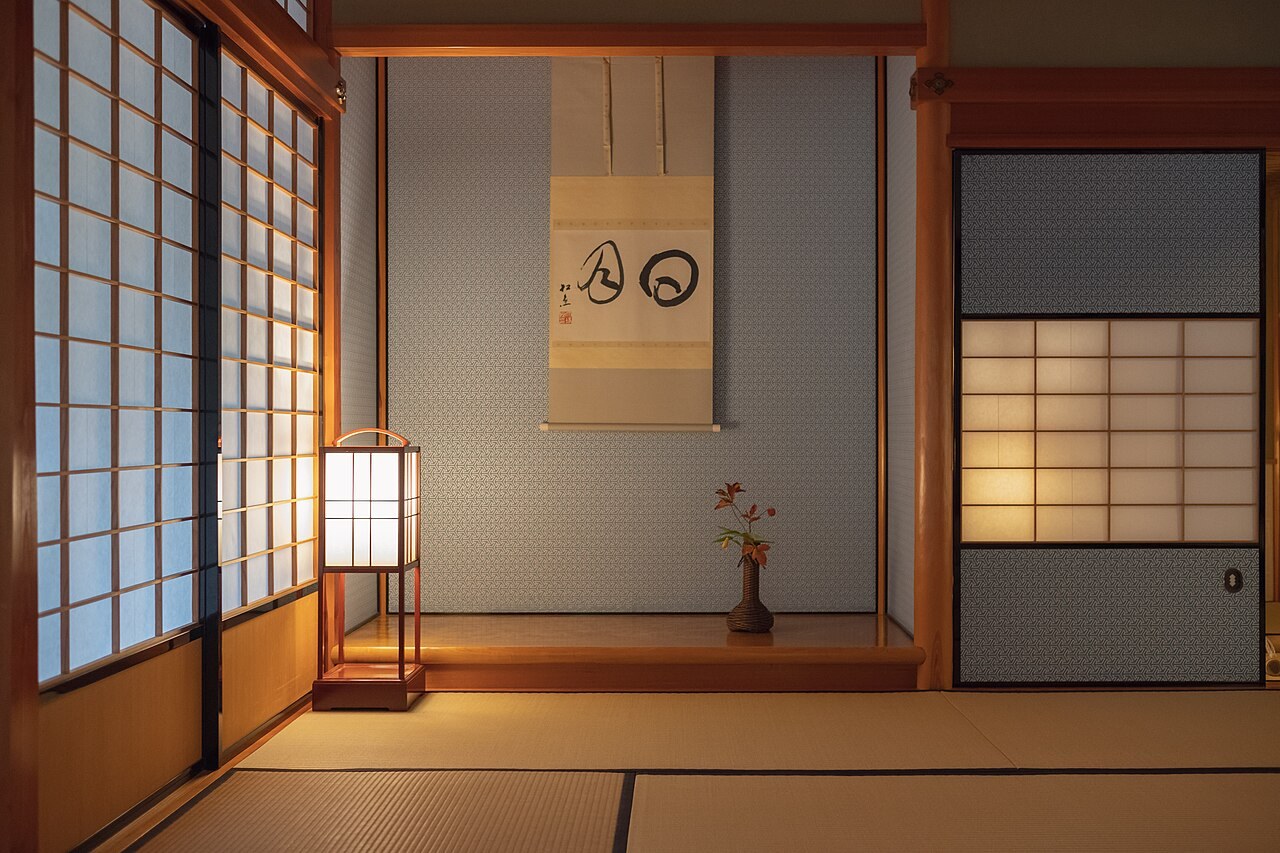
At open houses, one phrase kept recurring: 'sumitsugu' (to live on and pass down). Once largely sentimental, it has in the past decade gained institutional counterparts capable of stewarding such assets.
In 2008, prompted by the stewardship of pianist Takahiro Sonoda’s Meguro residence designed by Junzo Yoshimura, the general incorporated association Housing Heritage Trust was founded to advise owners, researchers, and architects. In 2021, a residence by Japan’s first female architect, Miho Hamaguchi, was successfully passed on with the Trust’s support.
That June, actress Kyoka Suzuki took stewardship of 'VILLA COUCOU,' a celebrated residence by architect Takamasa Yoshizaka, drawing wide media coverage. The real impact was to broadcast, for the first time to a general audience indifferent to architecture, that 'masterpiece houses can be inherited and lived in.'
From an investment lens, the implication is straightforward: when 'demolish and rebuild' is no longer the only exit, existing buildings regain a non-zero valuation baseline. This case confirms it—the sum of land purchase, settlement correction, and renovation still landed within an ordinary child-rearing family’s affordability.
Before treating this trend as a buy signal, confirm two preconditions:
1) Premiums on 'masterpiece' houses hinge on recognizability and provenance. If authorship is unclear or drawings and catalogues cannot be reconciled, 'architectural value' is hard to monetize on resale. The crux here was the confirmed authorship.
2) Subsurface risks on slopes and retaining walls must be quantified pre-contract. Skipping due diligence can see underpinning costs consume the entire renovation budget, turning a 'cost-efficient retrofit' into an 'uncontrolled rebuild'.
Risk note Special caution: sloped residential stock is extensive across the Tama Hills and Yokohama, much of it from the same 1980s subdivision vintage. When acquiring such assets, commission a standalone assessment of retaining-wall integrity and ground settlement, and provision both the cost and schedule for underpinning in your pro forma. Liability for third-party damages from retaining-wall failure sits with the owner; this contingent risk will not appear in any marketing materials.
5) Conclusion: Pricing Blind Spots Are Where Excess Returns Come From
The case logic is simple: the market priced it using a land-only rule, while some real value resided in the building; simultaneously, the market failed to price in subsurface settlement risk, though that cost was real. With mispricings in both directions, whoever completes the diligence earns the right to set the price.
For long-term holders, 1980s suburban subdivisions around Greater Tokyo are entering this window en masse. They are neither indiscriminate bargains to scoop up nor junk to be blanket-discounted as 'old-house attached.' The line of judgment is twofold: does the building have verifiable independent value, and is there an unpriced liability underground?
To benchmark rents and building cap-rate percentiles for any suburban station area, Urbalytics’ area stats tool can pull quarterly samples, medians, and build-year distributions—see the numbers clearly before you decide.
#TokyoRealEstate #HinoCity #Takahatafudo #LandWithOldHouseAttached #ExistingHomes #DanMiyawaki #HousingHeritage #RetainingWallRisk #SlopedResidentialLand #WholeBuildingIncomeProperty #GrossCapRate #TamaHills #Renovation #CrossBorderRealEstateInvestment #Urbalytics
References
- Kenbiya, 2026, 'We visited a renovated residence designed by Dan Miyawaki: emerging demand to live on and keep using architectural masterpieces', https://www.kenbiya.com/ar/ns/for_rent/renovation/10448.html
- Housing Heritage Trust (General Incorporated Association), 2026, Organization overview and succession cases, https://hhtrust.jp/
- LIFULL HOME'S PRESS, 2021, 'A residence designed by Japan’s first female architect, Miho Hamaguchi, is succeeded', https://www.homes.co.jp/cont/press/buy/buy_01258/
- studio9X Inc., 2026, Design cases, https://studio9x.com/
- Souzou-kei Real Estate Co., Ltd., 2026, Company information, https://www.souzou-kei.com/
- NENGO Co., Ltd., 2026, Construction case studies, https://nengo.jp/
- Urbalytics real estate data platform, accessed August 2026, Rent statistics (rent_stats) and whole-building cap-rate statistics (building_cap_rate_stats), https://www.urbalytics.jp/